
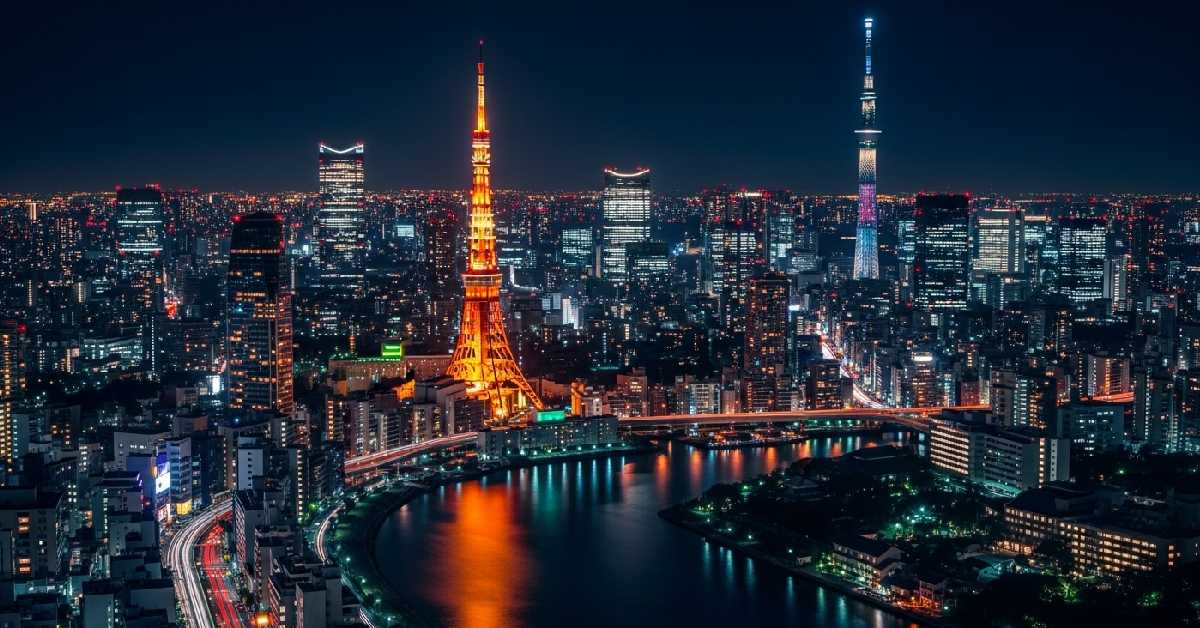
The best places to visit in Japan for first timers are not just tourist checkboxes — they are entry points into one of the most layered, surprising, and deeply rewarding countries on earth. Japan rewards curiosity. It punishes nothing. From the electric chaos of Shinjuku at midnight to the silence of a moss-covered temple in Kyoto at dawn, this country holds an extraordinary range of experiences within a surprisingly compact geography.
Japan welcomed over 25 million international visitors in 2023, and numbers continue climbing. First-time travelers consistently rank it among the easiest countries to navigate despite the language barrier — thanks to an ultra-reliable transit system, exceptionally safe streets, and locals who go out of their way to help lost strangers. But knowing where to go first makes all the difference between a trip that feels rushed and one that feels transformative.
This guide cuts through the noise. You’ll find the top cities to visit in Japan for first-time travelers, practical day-by-day itinerary advice, honest pros and cons, budget guidance, and hidden gems that most first-timers overlook. Whether you have 7 days or 14, this is your starting point.
Why Japan Works So Well for First-Time Travelers
Japan has an unfair advantage over many other first-trip destinations: it is intensely foreign yet deeply functional. Signs in train stations appear in English. Bullet trains run to the second. Convenience stores (konbini) sell hot meals, sim cards, and ATMs — all in one place.
The Japan Rail Pass, available to international tourists, unlocks the entire Shinkansen network at a flat cost. A 7-day pass (approximately ¥50,000 / $330 USD) covers Tokyo to Osaka and back with room to spare, making it one of the smartest investments in the complete Japan trip plan for first timers.
✅ Why Japan Excels
- Safest country for solo travel in Asia
- World-class public transit, always on time
- Food culture unmatched at every price point
- Incredible variety: cities, mountains, beaches, villages
- English signage in all major tourist zones
- Cashless payments increasingly accepted
⚠️ Challenges to Prepare For
- Jet lag hits hard — plan a rest day
- Spring & autumn are peak season (book 3–6 months ahead)
- Some rural areas still cash-only
- Onsen etiquette can confuse first-timers
- Overtourism in central Kyoto is real
Best Places to Visit in Japan for First Timers: The Essential List
The following destinations form the backbone of the best tourist spots in Japan for beginners. Each offers a distinct flavor, and together they give you a well-rounded picture of the country. Start here — you can always go deeper on a second trip.
Tokyo
The undisputed gateway for most first timers. Hypermodern, yet home to ancient temples. Spend at least 3 days here.
Kyoto
Japan’s soul. Over 1,600 temples, traditional tea houses, and the iconic Arashiyama bamboo grove.
Osaka
Dotonbori neon, takoyaki, and the friendliest people in Japan. Two nights minimum.
Nara
Free-roaming deer, Todai-ji temple, and easy 45-minute access from Osaka or Kyoto.
Hiroshima
The Peace Memorial Museum is one of the most powerful experiences in all of Japan. Don’t skip it.
Hakone
Mt. Fuji views, volcanic hot springs, and ryokan stays — a 90-minute Shinkansen from Tokyo.
Tokyo is not one city — it’s a dozen neighborhoods wearing the same zip code. Shibuya delivers the iconic scramble crossing. Shinjuku offers Golden Gai’s labyrinthine bars. Asakusa holds Senso-ji temple, Tokyo’s oldest. Harajuku is youth fashion made physical.

For first timers, a day in the older eastern districts (Asakusa, Yanaka) followed by a night in Shinjuku or Shibuya is the perfect orientation. Use the IC card (Suica or Pasmo) for seamless transit between every point in the city.
Kyoto: The Must Visit Place in Japan for First Timers Who Want Culture
Kyoto rewards slow travel. The must visit places in Tokyo Kyoto Osaka for first timers that get the most from Kyoto are those who wake early. The famous Fushimi Inari shrine — 10,000 torii gates climbing a forested mountain — is packed by 9 AM. Go at 7 AM and you’ll have it nearly to yourself.

The Higashiyama district lets you walk cobblestone lanes flanked by machiya townhouses, tea shops, and pottery galleries. In autumn, Eikan-do temple floods with maple red. In spring, Maruyama Park becomes a city-wide cherry blossom picnic. Both are legitimate bucket-list experiences.
Kyoto doesn’t reveal itself quickly. Every hour you spend there, the city opens another layer — like a lacquer box with no final drawer.
Osaka: Japan’s Most Underrated City for First-Time Visitors
Osaka has a personality unlike anywhere else in Japan. It’s louder, warmer, and significantly cheaper than Tokyo. The people of Osaka — Osakans — have a reputation for being chatty and generous, the opposite of Tokyo’s reserved composure.

The Dotonbori canal area is sensory overload in the best possible way: giant mechanical crabs on restaurant facades, ramen smoke, takoyaki (octopus balls) sizzling on griddles, and the Glico Running Man neon sign reflected in the water. For affordable places to visit in Japan for first-time visitors, Osaka punches well above its weight.
Don’t miss: Kuromon Ichiba Market for a food tour, Osaka Castle for history, and the Namba district for nightlife. A day trip to Nara is effortless from here.
Hidden Gems in Japan for First-Time Travelers Worth Adding to Your Itinerary

Most travelers loop Tokyo → Kyoto → Osaka and call it done. That loop is genuinely excellent. But if you have even one extra day, these lesser-known spots create memories that outlast every Instagram post.
- Kanazawa — Called “Little Kyoto” but with a fraction of the crowds. Kenroku-en is one of Japan’s top three gardens. The Higashi Chaya geisha district is beautifully preserved.
- Nikko — A 2-hour day trip from Tokyo into elaborate shrines buried in cedar forests. The Tosho-gu shrine complex is ornate to the point of absurdity — in the best way.
- Naoshima Island — A tiny Seto Inland Sea island that became one of the world’s great contemporary art destinations. Home to a Yayoi Kusama pumpkin, a Tadao Ando museum, and utter quietness.
- Takayama — Old town Japan preserved in amber. Rice paddies, sake breweries, and Edo-period merchant streets that genuinely look like a film set.
- Beppu — Famous for its “hells” — boiling, vibrantly colored geothermal springs — and some of the most atmospheric onsen in the country.
These hidden gems in Japan for first-time travelers aren’t difficult to reach. Japan’s rail network connects most of them directly or via a single transfer. The barrier is mostly psychological — stepping off the tourist conveyor belt takes confidence, but it always pays off.
7-Day Japan Itinerary for First Timers: Must-Visit Places Day by Day

This itinerary covers the absolute essentials without feeling rushed. It’s the framework I’d give any friend visiting Japan for the first time.
Tokyo: Arriving, Orienting, Exploring
Day 1–3
Hakone: Mt. Fuji Views + Hot Spring Night
Day 4: Shinkansen to Odawara, then Romancecar or local train to Hakone. Check in to a ryokan, soak in a private onsen bath with Mt. Fuji views (weather permitting). This is where Japan becomes magical.
Kyoto: Temples, Bamboo & Quiet Streets
Nara + Osaka
Osaka Free Day or Hiroshima Day Trip
💡 Expert Tip: Book the Japan Rail Pass before you leave home — it cannot be purchased inside Japan at the tourist price. A 7-day pass pays for itself within the first two Shinkansen rides between Tokyo and Osaka.
Best Time and Places to Visit in Japan for First Timers
Timing profoundly affects your Japan experience. The best time and places to visit in Japan for first timers depends on what you want to feel, not just see.
- Late March – Early May (Spring): Cherry blossom season. Arguably the most beautiful two weeks of the year in Japan. Prices spike 30–50%. Book 4–6 months ahead.
- June – August (Summer): Hot and humid. Great for festivals (matsuri), fireworks displays, and Hokkaido’s cooler climate. Fewer crowds at temples during weekdays.
- October – November (Autumn): Fall foliage in Nikko, Kyoto, and Nara. Ideal temperatures (15–22°C). The second-best time to visit, slightly less crowded than cherry blossom season.
- December – February (Winter): Low crowds, lower prices, and the ski resorts of Hokkaido (Niseko is world-class). Tokyo in January is cold but uncrowded and magical.
How Much Does Japan Cost? Budget Guide for First-Time Visitors
Japan has a reputation for being expensive. That reputation is about 20 years out of date. The yen’s weakness against the dollar and euro since 2022 has made Japan remarkably affordable for international visitors.
| Budget Level | Daily Cost (USD) | What It Gets You |
|---|---|---|
| Budget | $55–75 | Hostel or capsule hotel, konbini meals, local transit, free temples |
| Mid-Range | $120–180 | Business hotel, ramen + izakaya dinners, museum entry, Shinkansen |
| Comfort | $250–400 | Boutique hotel or ryokan, sushi omakase, private tours |
| Luxury | $500+ | Aman or Park Hyatt, kaiseki dinners, private drivers, exclusive experiences |
For affordable places to visit in Japan for first-time visitors, Osaka and Hiroshima consistently rank cheapest. Kyoto’s accommodation is premium but manageable if you book early and stay slightly outside the central temple district.
Essential Practical Tips from the Japan Travel Guide for First Timers
Getting Around Japan
- Japan Rail Pass: Buy before you arrive. 7-day, 14-day, and 21-day options available.
- IC Card (Suica/Pasmo): Works on every subway, bus, and many convenience stores. Load it at any station kiosk.
- Google Maps: Works perfectly for Japan transit. Set your route to “Transit” and it will show exact train lines, platform numbers, and transfer times.
- Taxis: Use only as a last resort. Expensive by global standards, though punctual and reliable.
Food: What to Eat and Where
- Convenience stores (7-Eleven, Lawson, FamilyMart) serve legitimately good hot food. Onigiri, sandwiches, and bento boxes are fresh and cheap.
- Ramen shops: Look for ones with a line. The line means something.
- Standing sushi bars near fish markets (Tsukiji Outer Market in Tokyo) offer exceptional quality at half the price of sit-down restaurants.
- Ask your hotel for the nearest neighborhood izakaya. These are Japanese gastropubs and represent some of the most enjoyable eating experiences in the country.
Etiquette First Timers Should Know
- Remove shoes when entering homes, many ryokans, and some traditional restaurants (tatami rooms).
- Do not eat while walking. Sit to eat.
- Keep voices low on trains. Phone calls are frowned upon in train carriages.
- Tipping is not practiced in Japan. Leaving a tip can actually cause confusion or mild offense.
- Bow when greeting or thanking someone. A slight nod is enough.
💡 Expert Tip: Download the “Japan Official Travel App” and “Hyperdia” before landing. Both work offline and make navigating train transfers straightforward even in smaller cities.
Complete Japan Trip Plan for First Timers: Putting It All Together
The best approach to the complete Japan trip plan for first timers is to build around three anchors—Tokyo, Kyoto, Osaka—and then add one or two extras based on your interests. For instance, if you love nature, add Hakone and/or Hiroshima’s Miyajima Island. Similarly, if you love art, add Naoshima. On the other hand, if you love traditional Japan untouched by tourism, add Kanazawa or Takayama.
However, don’t try to see everything on your first trip. Japan is a country that people return to repeatedly—often annually—and still find new layers. In fact, the travelers who have the best first visit are those who go deep into a few places rather than skimming a dozen.
Therefore, plan your 7-day Japan itinerary for first timers around the golden triangle (Tokyo–Kyoto–Osaka), use the rail pass freely, and leave space for spontaneous discovery. After all, the best meal you eat in Japan will probably be one you stumbled into by accident.