
This Eastern Europe travel guide starts on a train platform at 6:40 in the morning, and it’s freezing. Your breath hangs in the air, and your nose has filed a formal complaint. Somewhere close by, a vendor rattles open a metal shutter, and the smell of warm pretzels hits you like a hug from a stranger. In your hand sits a wrinkled ticket and a plan that felt like genius last night: five countries in eight days. Your past self was very confident and not very smart.
Then the departure board blinks, and your brain quietly leaves the building. I’ve watched friends land in this exact spot, and the lesson never changes. You can’t enjoy a place you only sprint through. So here’s the deal: do less, spend less and enjoy way more.
What Counts in an Eastern Europe Travel Guide?
Let’s start with a small, silly problem. Nobody agrees where Eastern Europe begins. Ask five people and you’ll get five answers, plus one dramatic sigh and a fight over the last cookie.
For this Eastern Europe travel guide, the term means the countries that sat behind the Iron Curtain during the Cold War. Almost all of them joined the European Union after 2004. That gives you Poland, the Czech Republic, Slovakia, Hungary, Slovenia, Croatia, Romania and Bulgaria. Estonia, Latvia and Lithuania, up on the Baltic coast, get a seat at the table too. Serbia, Montenegro and Albania are great, but their entry rules and transport work differently, so treat them like a bonus level in a video game. Save them for trip number two.
Why Slow Travel Wins
Now check the distances, because they’re sneaky. Kraków to Prague takes about a day by train. Budapest to Bratislava takes about one long movie, and you wouldn’t even finish the popcorn. Short trips like these whisper that you can see everything. They’re lying.
Think of a buffet. Pile twelve dishes on one plate, and everything tastes like gravy. Pick three, and you actually taste them. Trips work the same way. By day six of a rushed plan, every city blurs into one long station, and your bag has gained ten pounds for no reason at all. So pick two or three bases and stay put. Let a café owner learn your order, so he greets you like an old friend. Find the bakery that sells out by ten. Wander one tiny street no guidebook mentions, and feel like a secret agent.
The Best Cities in Eastern Europe
Once you slow down, places stop being dots on a map. You can smell them, hear them and taste them. Here are the best cities in Eastern Europe for a first trip.
Kraków and Prague: The Eastern Europe Travel Guide Classics
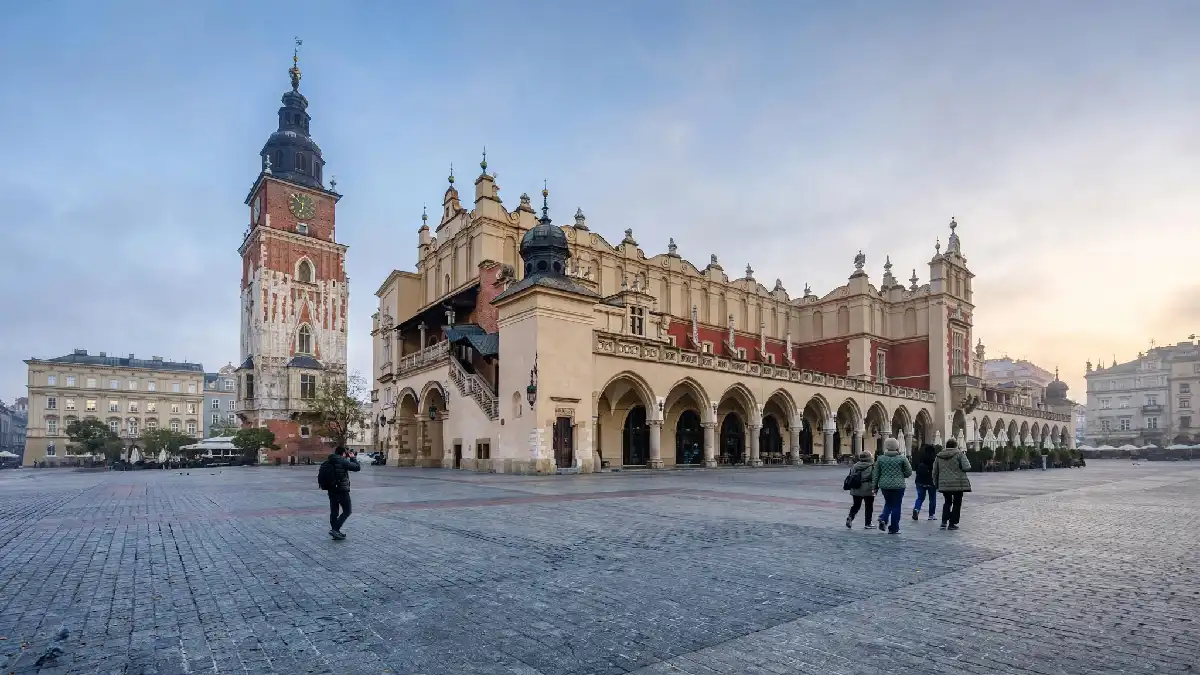
Kraków comes first. A huge medieval square opens in front of you, loud with church bells and pigeons who clearly run the place, while a street cart fills the air with smoky grilled cheese. Wawel Castle sits above the Vistula River like a very old, very proud neighbor. A short ride outside town, the Wieliczka Salt Mine, a UNESCO World Heritage Site, holds tiny chapels that miners carved from salt. The walls sparkle in the lamplight. Please don’t lick them. Everyone wants to, and the guides have seen it all.
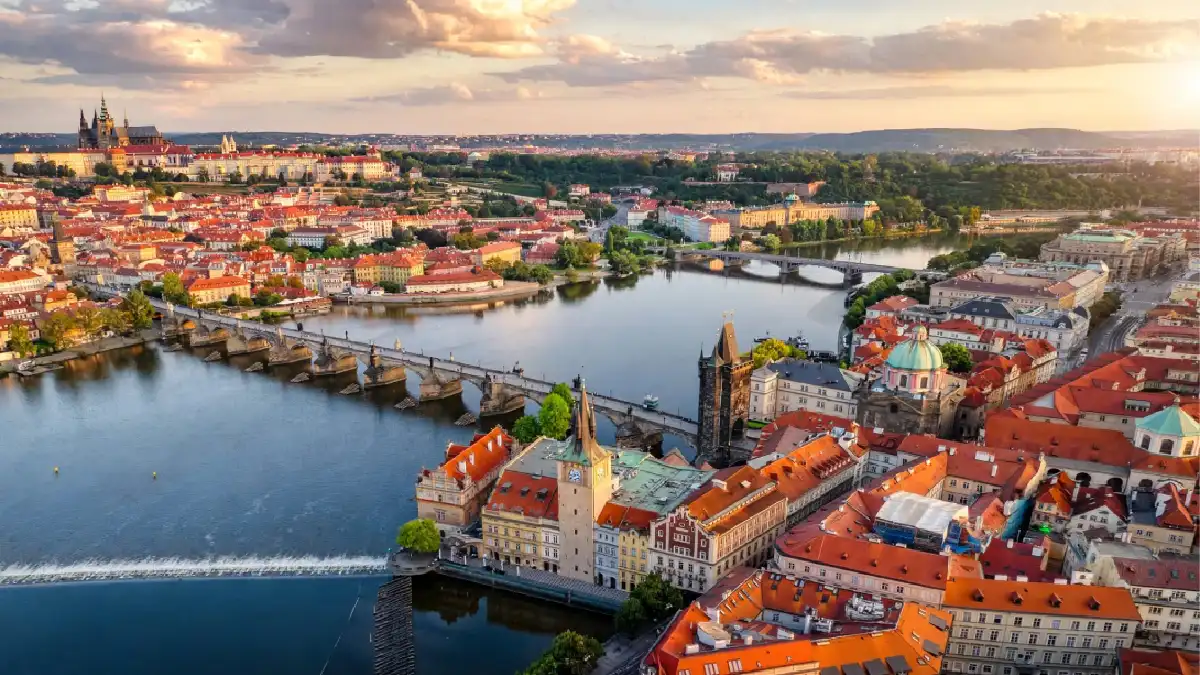
Prague wants you up early. At 7:30 a.m., Charles Bridge is cool and quiet, and your footsteps echo off the stone like you’re the star of a movie. A couple of hours later, it’s packed like a school bus on the last day before holidays. So walk up Vyšehrad hill instead. The view is just as good, and the crowds are busy buying fridge magnets they’ll never look at again.
Budapest, Brașov, Sofia and Tallinn
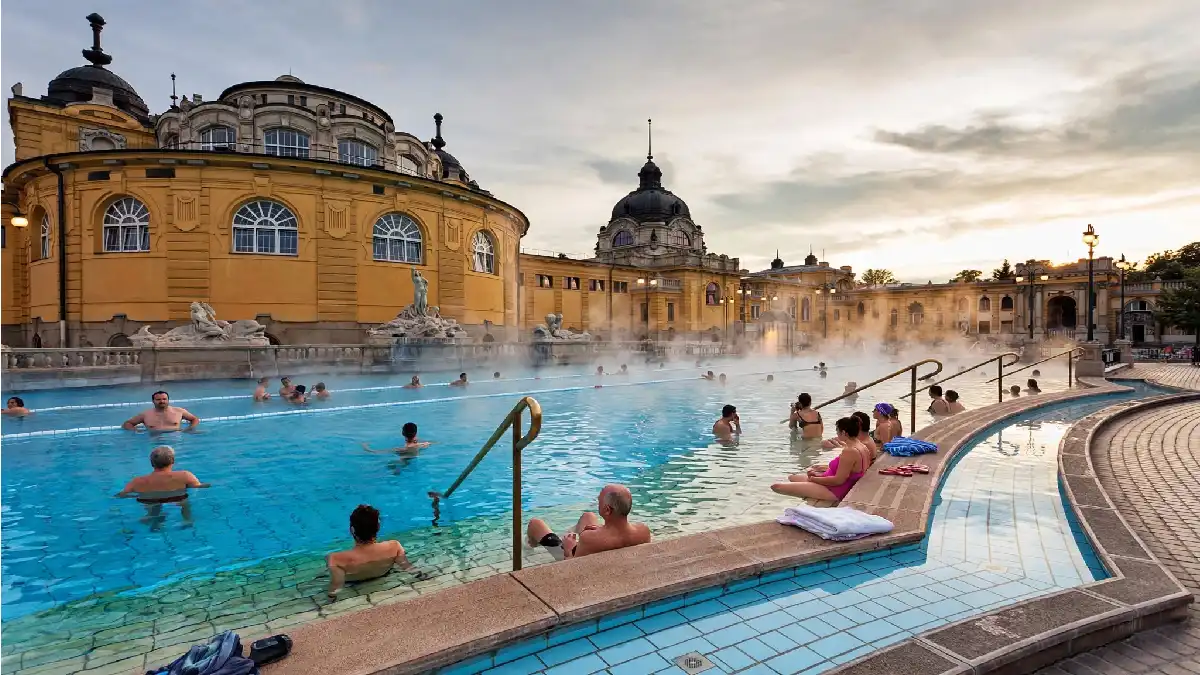
Budapest gets you through the skin. At sunset, you sink into Széchenyi Thermal Bath, one of the biggest bath complexes in Europe, and warm water wraps your shoulders while cold air nips your cheeks. Steam floats up into the dark, and old men play chess on floating boards like it’s totally normal. You’ll forget your phone password and not miss it one bit.
Brașov, in Romania, feels cozy and a little mysterious. Red roofs lean against a wall of mountains, and the air smells like woodsmoke. Bran Castle is a short ride away. Yes, the vampire one. No, you don’t need garlic, though nobody will stop you from wearing some as a necklace.
Sofia, in Bulgaria, is kind to your wallet. Prices are so low that people check their bill twice, sure the waiter forgot a zero. Alexander Nevsky Cathedral glows gold in the sun, and a city bus carries you toward the trails on Vitosha Mountain.
Tallinn, in Estonia, looks like it wandered out of a fairy-tale book and forgot to go back. Take the ferry from Helsinki, about two hours, and you’ll arrive in time for lunch with a sea breeze in your hair.
Eastern Europe Visa Requirements: The Boring Part You Can’t Skip
Serious voice for a minute, but I’ll keep it short. Your passport decides what you need. Skip this step, and you might stand at a border desk after a long flight, sweating like you forgot your homework, while the officer asks a question you can’t answer.
Most EU countries in the region sit inside the Schengen Area. Visitors from outside the EU can usually stay up to 90 days in any 180-day period, so no, you can’t just move in. A few things have changed lately. Croatia joined Schengen in 2023, and Bulgaria and Romania followed, with land border checks ending in early 2025. The EU now also records your photo and fingerprints at its outside borders, so your first crossing may feel like a very slow photo shoot. Don’t book a tight connection right after you land. A travel permit called ETIAS is planned too, but its start date keeps wandering off like a cat.
Here’s what I do. Before I book anything, I check the current eastern europe visa requirements for my own passport on my government’s website. An old forum post won’t rescue you at the airport, however confident the username sounds. The official Schengen visa rules are the best place to look. Ten minutes now saves you a lot of worry later.
Budget Travel Eastern Europe: What Things Really Cost
Everyone asks about money first in any Eastern Europe travel guide, and the news is good. Your money goes further here than almost anywhere in Europe. After a week in Paris or London, these prices feel like a birthday present from a kind stranger.
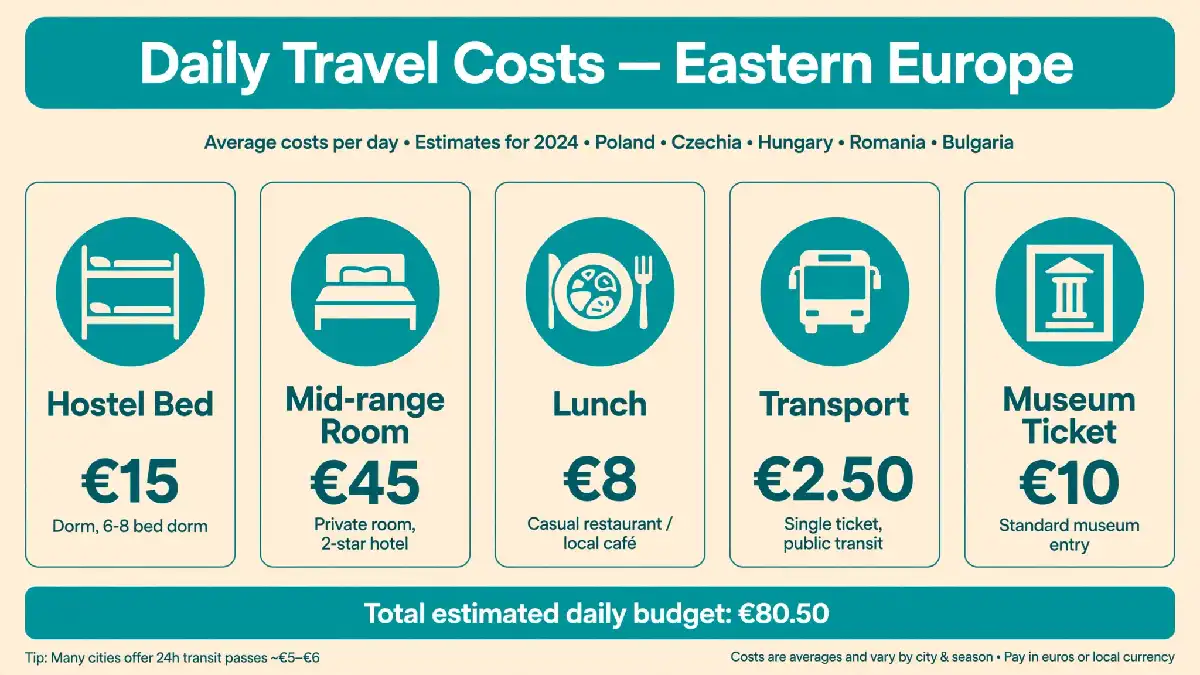
Daily Prices in This Eastern Europe Travel Guide
Prices change with the season and the city, but they paint a fair picture. A hostel bed costs about 12 to 25 euros a night in Kraków, Budapest or Sofia. Mid-range private rooms for two run 50 to 90 euros in most capitals. Lunch at a local place is 8 to 15 euros, and even less at a Polish milk bar, where you slide a tray along a counter and eat soup that tastes like somebody’s grandmother made it, and then scolded you for not eating more. Bus and tram rides cost 1 to 2 euros. Big museum tickets cost 5 to 15 euros.
Add it up, and one person can travel comfortably on 70 to 100 euros a day. Then add 15 to 20 percent extra, because surprises love an uninvited entrance. Think of a late taxi, a rain jacket you left at home, or a cake that somehow jumped into your hand. Write down what you spend each day. It feels boring for about three days, and then it feels like having a tiny accountant in your pocket who actually likes you.
Anna’s Story: Fewer Stops, More Fun
Here’s a story that shows how this works. Anna is a made-up traveler I built from common trip plans. She had ten days and a medium budget. Her first plan had five countries and looked great on paper, but paper was lying through its teeth. Seven moves meant seven mornings of dragging a suitcase through train stations, and her face fell when she counted them. So she cut the plan to three cities. She spent about 85 euros a day, slept in a private room every night, and still had money left for a thermal bath and one fancy dinner. Fewer stops meant fewer moves, and fewer moves meant more fun. That’s budget travel eastern europe style at its best. You save money by moving less, not by sleeping worse.
Eastern Europe by Train: The Pretty Part and the Slow Part
Pretty part first. Eastern Europe by train is the nicest way to see the region, and a few rides stay with you for years. Poland, the Czech Republic and Hungary have the best train networks. Take the line from Kraków to Zakopane, the town at the foot of the Tatra Mountains. The wheels clack, the window fogs up, and farmland turns into dark forest. Then huge, jagged peaks appear, as if they’d been hiding behind a curtain and waiting for a dramatic entrance. Your phone slides back into your pocket by itself.
Now the grumpy part. Romania and Bulgaria are different. The trains are slow, properly slow, like a snail with a good excuse and a very long lunch break. A two-hour bus ride can turn into five hours by rail, and that’s when you’ll wish you had checked first. In those countries, buses often win.
If you plan to cross many borders, a Eurail pass might help. It only saves money if you ride long distances on most days, so do the math at home, not on the platform while a train is leaving without you. Buses link most big cities for much less than trains, and cheap planes connect the larger ones. Pay for your checked bag online, because airport fees have zero sense of humor.
Also Read: Best Places to Go in December in USA: 15 Trips Worth the Airfare
What You Gain and What You Give Up
Let’s look at both sides. The gains are big. Your money goes much further than in Western Europe. Castles and museums sit close together, so one afternoon can cover hundreds of years, and your feet will file a second complaint. Cheap trains, buses and flights make trips with many cities easy. And the food? Pierogi, goulash and grilled meat arrive hot, filling and cheap. Diets, please wait outside.
Now the honest part. Some trains are slow, so a trip can take much longer than the map says. From June to August, crowds fill Prague and Kraków, and the charm fades when your face is pressed against a stranger’s backpack. English works in most cities, but in villages you might end up playing charades, and you will lose. Bumpy stone streets, older stations and few step-free hotels also make travel hard for people with mobility needs. That deserves real planning, not a shrug.
Eastern Europe Travel Guide: Safety Tips for a Calm Trip
Good news first. The region is mostly safe, and most visitors go home with nothing worse than sore feet and a suitcase full of pastries. A few easy habits still help. These eastern europe safety tips are the ones I’d give a close friend.
Watch your things in crowds. Keep your wallet in an inside pocket on trams, metro platforms and Charles Bridge, where pickpockets look for people busy photographing pigeons. Ride apps like Bolt and Uber work in many cities and show the price before you get in, so there’s no midnight debate with a driver about what “short ride” means. And carry a little cash. Cards work in cities, but small towns and village markets might politely say no.
One firm note. I left Ukraine, Belarus and Russia out of this guide because conditions there change fast. Please read your government’s current travel advice before you think about going.
A Sample Eastern Europe Itinerary: 10 Days
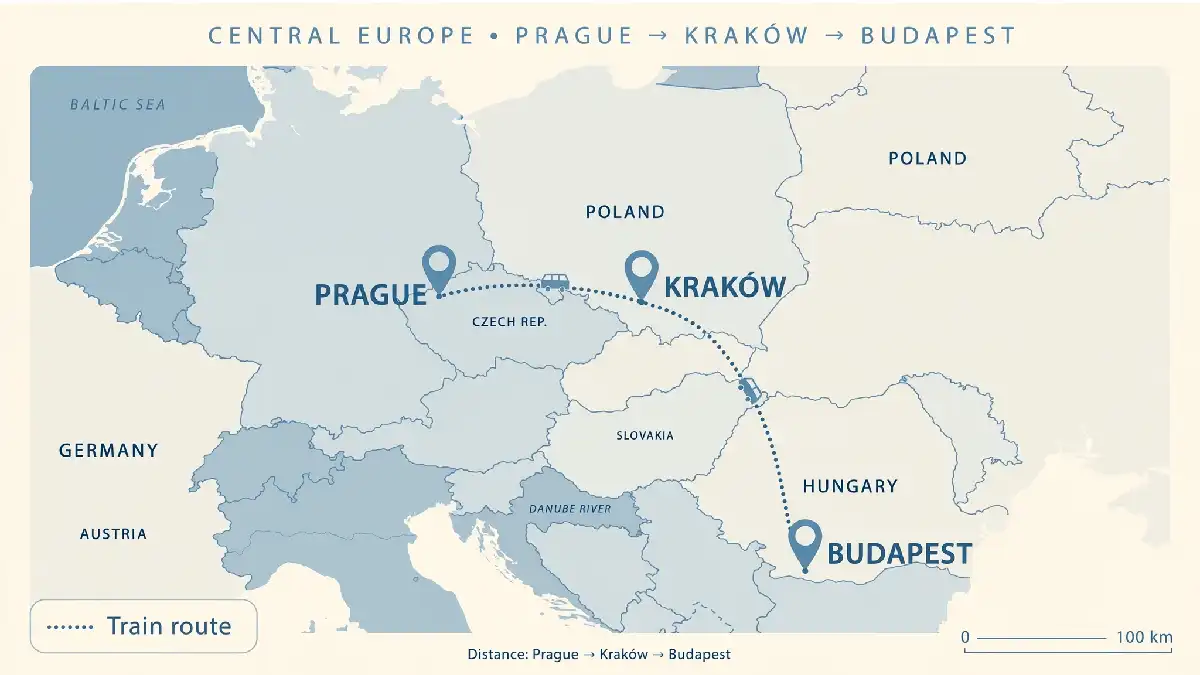
Now let’s turn all this into a plan. This eastern europe itinerary has three cities and ten days. It works well for a first trip, and you can stretch it if you have more time and a very understanding boss.
Start with days 1 to 3 in Prague. Walk the Old Town at sunrise, when the streets are quiet and the stones still feel cool. Then head up to Prague Castle. Give one whole afternoon to the Vltava River and plan nothing at all, not even a snack, which will plan itself anyway.
Days 4 to 6 belong to Kraków. Visit Wieliczka first. Then book a timed visit to Auschwitz-Birkenau well ahead. It’s a deeply sad and serious place, and it should be. Go quietly, and leave yourself time to sit with it afterward. When you feel ready, walk through the Main Square and Kazimierz, the old Jewish quarter, where cafés and wall art bring a little light back into the day.
Finish with days 7 to 10 in Budapest. Spend two days on Buda Castle and the Danube. Save one afternoon for Széchenyi Thermal Bath, where you’ll turn into a very happy human prune. Let the rest just happen.
Prague to Kraków takes about six hours by train. Kraków to Budapest takes much longer, so a short flight may be kinder to your legs. They’ll send you a thank-you card.
One last tip from people who travel a lot: keep one empty afternoon in every city. That’s when the best meals and the best talks find you. Years from now, you’ll remember those, not the museum line.
Plan Your Trip With This Eastern Europe Travel Guide
Here’s how I’d plan it if you were sitting across from me with a very large coffee. Travel in one direction, like Prague, then Kraków, then Budapest, and don’t zigzag like a lost pigeon. Check the entry rules about six weeks early, on official government sites only. Book the longest rides first, because night trains and long bus trips sell out fast in summer.
Next, set a daily budget with some extra room, using the prices above. Buy timed tickets early, since Wieliczka tours and bath visits often need them. Save offline maps and a translation app, because phone signal fades on trains, usually when you feel most lost. Then dodge the big mistakes. Squeezing four countries into one week makes you a relay racer, not a traveler. Assuming every shop takes cards leaves you hungry and a little embarrassed. Skipping summer bookings means a closed door after a long walk, and that really stings.
Frequently Asked Questions
Is Eastern Europe cheaper than Western Europe?
Usually, yes. Hotels, food and rides cost less, and your bank account will do a little happy dance. Prague and Budapest cost more than they used to, so check today’s prices while you plan.
How many days do I need?
Ten to fourteen days works well for three or four cities. Any good Eastern Europe travel guide will tell you the same thing: fewer places, more time in each, happier feet. Two weeks also leaves room for a mountain stop or a trip to the Baltic.
What is the best time to visit?
May, June, September and early October bring nice weather and fewer people. Winter is lovely for the Christmas markets in Kraków and Prague, especially if you love hot drinks, and who doesn’t. In the countryside, trains and mountain roads run less often, and the cold really bites.
Do I need to speak the local language?
No. A few words help a lot, and a smile helps even more. English works in cities and tourist spots, but in villages it helps to learn simple hellos and numbers and keep a translation app handy for the rest.
Is it easy to travel between countries by train?
Between Poland, the Czech Republic and Hungary, yes. Going into Romania and Bulgaria, you might need buses or train changes, so leave extra time and pack snacks. Snacks fix almost everything.
Conclusion
Go back to that cold platform at 6:40 a.m. This time, your ticket is for one city, not five. The pretzel in your hand is still warm, and nothing is chasing you, not even your own bad planning. That’s what this Eastern Europe travel guide wants for you. Not a perfect plan, just a few good days you can actually feel. Pick two or three cities. Book the long rides first. Keep one afternoon free and see what finds you. This corner of the world asks for a little curiosity and a little patience, and it gives so much back. One day you’ll tell this story at a dinner party where nobody asked, and you won’t be able to stop smiling.