
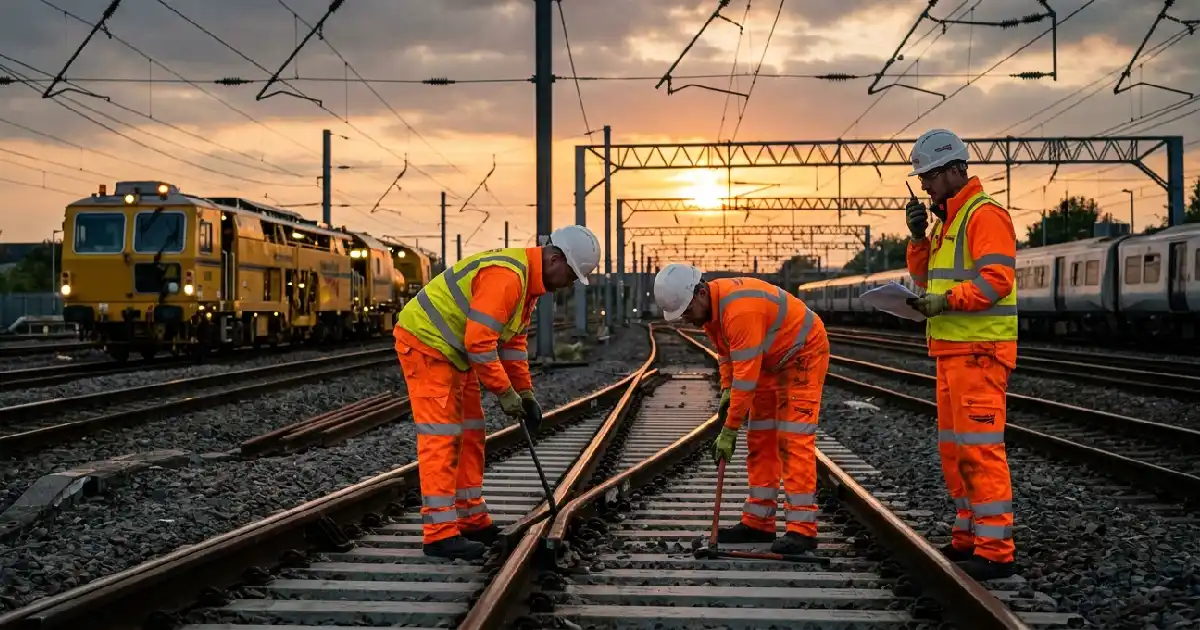
The UK rail disruption May 2026 is already affecting travel plans across Britain. Network Rail has launched one of its biggest engineering programmes in years, and two bank holiday weekends fall right in the middle of the month. Leisure travel normally surges then. The combination creates friction that’s hard to ignore.
You’ve likely spotted the warnings already if you’ve tried to book a trip north or west. Early May Day and the later Spring Bank Holiday both sit inside the disruption window. Warm weather usually draws people out for weekends away. Restricted rail capacity turns that into a problem. The works themselves are essential. Right now they simply feel inconvenient for many passengers.
Understanding the Scope of UK Rail Disruption May 2026
£140.5 million is going into 568 separate projects across both bank holiday weekends. Old points are being replaced. Drainage that keeps failing is getting fixed. Embankments are being strengthened. Signalling systems long past their best are being modernised.
Bank holidays give engineers longer track access. Fewer commuters mean bigger windows to work without weekday chaos. Leisure travellers carry most of the inconvenience as a result. That’s the trade-off playing out right now during the UK rail disruption May 2026.
Some projects finish quickly once each weekend ends. Others run longer. Great Western work, for example, stretches well into June in places. Large parts of the network keep running normally. Pressure concentrates on a few key corridors instead.
East Coast Main Line During UK Rail Disruption May 2026
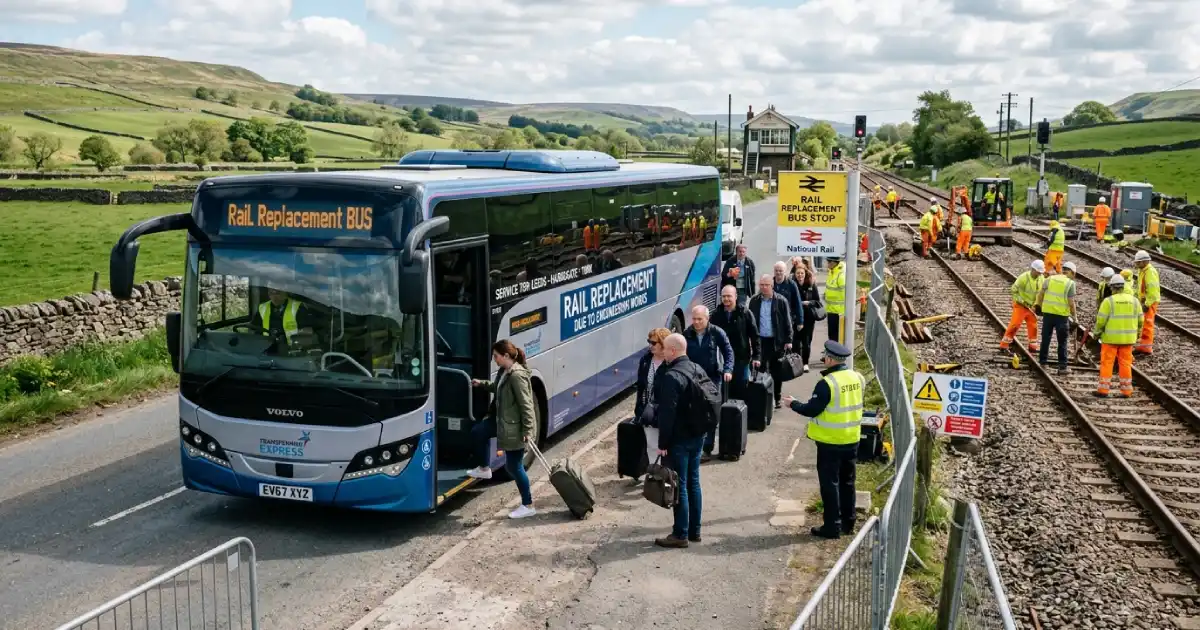
The East Coast Main Line is where most travellers will feel the impact during the UK rail disruption May 2026. At Tollerton Junction in North Yorkshire, crews are swapping three sets of life-expired points. Drainage work is happening at Chapman’s Bridge. Embankments that have slipped before are being reinforced.
Trains between York and Darlington stop on both bank holiday weekends. Buses take over. Only a limited train service runs between Northallerton and Darlington. Full service returns the Tuesday after the late May weekend. Anyone heading to Edinburgh, Newcastle or Leeds should expect their journey to stretch by several hours and involve at least one bus change.
TransPennine Route – Pressure Between Manchester and Leeds
The TransPennine Route Upgrade has been running for months already. May brings extra intensity. New overhead wires, bridge construction, track upgrades and station improvements are all underway between Manchester, Huddersfield and Leeds. Bus replacements appear on several sections. Some Liverpool services feel the knock-on effects.
Business travellers and weekend visitors to the Peak District or Yorkshire notice this one most.
Must Read: Japan Two-Tier Pricing: Your Essential Guide to the New Tourist Rates
Great Western Main Line and the Severn Tunnel Area
Great Western Main Line work starts properly from the late May weekend. Power supply upgrades and track work around Patchway, Filton and the Severn Tunnel approaches form the main tasks. Buses replace trains between Newport and Bristol Parkway. South Wales to London services reroute via Gloucester with reduced frequency. Normal running doesn’t return until 8 June.
London and Thameslink Changes That Catch People Out
Signalling upgrades in the Thameslink core are forcing changes in central London. Trains from the north now terminate at King’s Cross or St Pancras instead of running through. Services from the south stop at London Bridge. Additional works close Charing Cross and Cannon Street on certain days. Cross-London journeys suddenly need more planning.
Smaller pockets of work appear in East Anglia, the North East, Liverpool and parts of Kent. They still matter if your route touches those areas.
The Real Trade-Off: Short-Term Pain for Long-Term Gain
Once these upgrades finish, the network should run with fewer random cancellations. Performance during bad weather should improve. New services will actually stick to the timetable. The railway becomes safer and more reliable overall.
Right now the inconvenience sits with passengers. Replacement buses add time and hassle. Luggage becomes awkward. Families with young children or older relatives feel it hardest. Some tourism businesses may see a short dip if people change or cancel plans.
What often gets missed is this: the whole network isn’t closing. Plenty of routes stay completely normal. Knowing exactly which ones are affected and building flexibility into your plans makes the real difference during the UK rail disruption May 2026.
Practical Ways to Handle UK Rail Disruption May 2026

A few practical steps actually help when facing the UK rail disruption May 2026.
Check your journey early and keep checking. The National Rail planner plus your train operator’s app give the clearest picture. Set alerts for the specific service you need.
Build in real extra time. On affected routes, plan for journeys that could take 50 to 100 percent longer. That’s not pessimistic. It’s facing the reality of bus replacements.
Book tickets you can change. Non-flexible Advance fares become risky during planned works. Many operators relax their rules during these periods, but confirm it first.
Think about alternatives before you’re stuck. Coaches often compete well on price and sometimes on total door-to-door time. Domestic flights make sense for longer distances when rail times stretch out. Driving works for some routes, though bank holiday traffic on the A1 and M1 can wipe out any advantage.
If a bus replacement appears, travel light when possible. Confirm accessibility needs in advance. Some buses have limited luggage space or wheelchair access.
Know your rights. Planned works usually bring better flexibility rather than automatic compensation. Significant delays or cancellations on the day can still trigger Delay Repay or goodwill policies. Check directly with your operator.
Consider shifting your dates. Mid-week travel either side of the bank holidays often avoids the worst disruption.
A Real Example: The Edinburgh Family Trip
Take a family from London booked to Edinburgh for the late May weekend. Normally a straightforward LNER journey. This year they face a bus between York and Darlington. That adds hours plus the practical stress of moving children and luggage between train and bus.
They have real choices. Fly from Luton or Stansted and accept the airport steps. Drive the A1 and plan proper stops. Or simply move the whole trip to the week before or after when services run closer to normal. Plenty of families are weighing exactly these options right now.
What This Actually Means for Different Types of Travellers
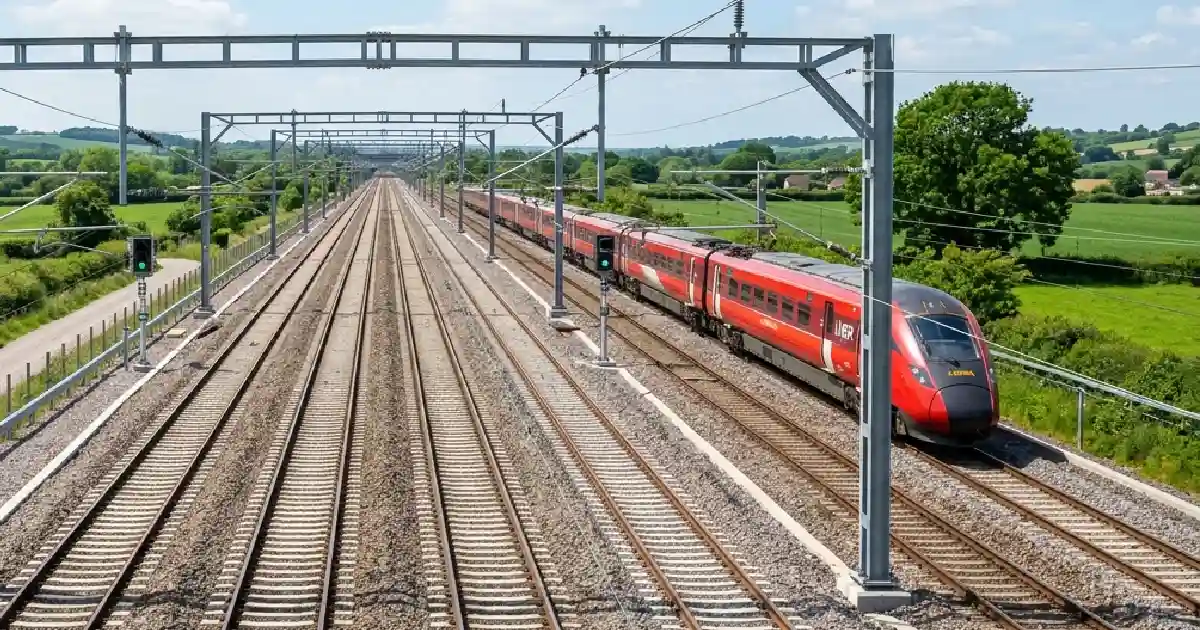
Business travellers with fixed meetings in Leeds or Manchester need extra time or a complete reroute. International visitors arriving at major hubs should double-check onward connections, especially around London. Anyone with mobility needs should speak to operators directly about bus accessibility, it varies by service.
The environmental side matters too. Rail usually stays the greener option. When buses replace trains on long stretches or people switch to cars, the overall picture shifts slightly. Small, real-world trade-offs like this rarely get much attention.
Looking Ahead After the Works Finish
Once these projects wrap up, the network should feel noticeably steadier. Fewer unplanned failures. Stronger performance in bad weather. Support for new services that actually keep to time. That’s the point of the investment.
For now the priority is getting through May with the least stress possible. The information exists. Alternatives are available. Most people who plan properly will still reach their destinations. It just takes more thought than usual.
Frequently Asked Questions
Which routes face the biggest impact during the UK rail disruption May 2026?
The East Coast Main Line between York and Darlington, the TransPennine corridor through Huddersfield, and Great Western services around Bristol and the Severn Tunnel take the heaviest hits. Thameslink changes in central London also affect many cross-London journeys.
How long do the main disruptions last?
Peak problems sit on the two bank holiday weekends. Some Great Western work continues into early June. Everything else largely clears once each weekend ends.
What alternatives should I consider if my train is heavily delayed or replaced by bus?
Coaches often add capacity on the same corridors. Domestic flights work for longer trips. Driving remains an option, though bank holiday traffic can slow things down. For London connections, the Elizabeth line and Underground fill gaps well.
Will I receive compensation for delays caused by these planned works?
Planned engineering usually triggers relaxed change policies rather than automatic compensation. Significant delays or cancellations on the day can still qualify under Delay Repay schemes though. Check directly with your operator.
What long-term improvements will these Network Rail engineering works May 2026 deliver?
Expect fewer unplanned failures, better resilience to weather, and the ability to run more reliable services overall. The work replaces old assets and strengthens weak points that have caused problems for years.