
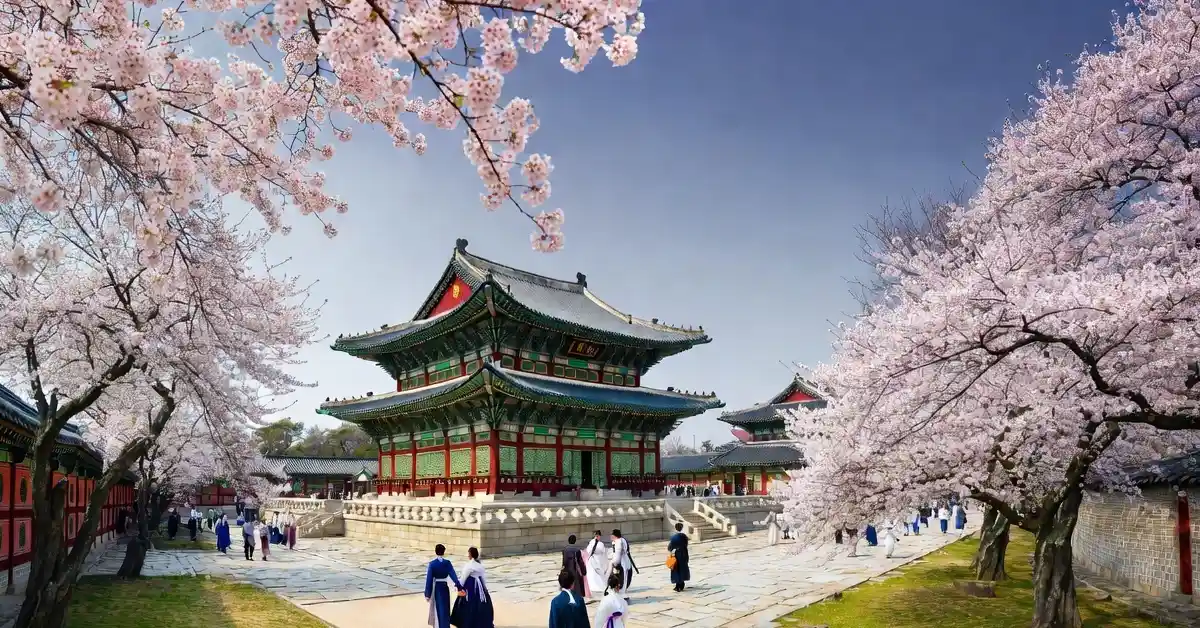
If you’re planning a trip and wondering about the best months to visit South Korea, the short answer is April–May and September–November. But the full picture is richer than that. South Korea’s four distinct seasons each offer something genuinely different, from pink-blanketed streets in spring to fiery mountain ranges in autumn. Knowing when to go can completely transform your experience.
This guide breaks down every season honestly, so you can plan around your priorities, budget, and travel style.
Why South Korea’s Seasons Matter More Than Most Destinations
South Korea sits on a peninsula with a temperate climate shaped by monsoon winds and mountainous terrain. The seasons in South Korea are dramatic and well-defined, unlike many Asian countries where the shift feels gradual. Summer brings intense humidity and rain. Winter drops below freezing in Seoul. Spring and fall offer near-perfect windows.
The country’s diverse landforms of South Korea, including coastal plains, river valleys, and rugged south Korea mountain ranges like Taebaek and Sobaek, mean weather can vary significantly by region. What’s sunny in Busan might be foggy in the highlands of Gangwon Province.
Spring (March–May): The Most Popular Time to Visit
Spring is widely considered the best time to visit South Korea, and it earns that reputation every year.
What Makes Spring Special
-
Cherry blossoms peak from late March to mid-April, with Jinhae hosting the country’s most celebrated cherry blossom festival
-
Temperatures range from 10°C to 20°C (50°F–68°F), comfortable for long days of sightseeing
-
Daylight hours are generous, giving you more time to explore places in South Korea to visit like Gyeongju, Jeju Island, and Seoul’s historic palaces
-
Crowds are real but manageable outside major festival weekends
Best Months: April and May
April is the crown jewel. The famous Yeouido Spring Flower Festival in Seoul draws millions, and even smaller towns look stunning. May is slightly less crowded and warmer, ideal for hiking the south Korea mountain ranges without the biting chill.
Expert tip: Book accommodation at least 6–8 weeks ahead for April travel, especially in Seoul and Jinhae. Prices spike 30–50% around blossom peak weekends.
Summer (June–August): Vibrant but Challenging
Summer in South Korea is hot, humid, and punctuated by the jangma (monsoon season), which runs roughly from late June through late July.
Pros of Summer Travel
-
Lush green landscapes across the landforms in South Korea, especially coastal and mountain areas
-
Beach culture in Busan and Gangneung is at its peak
-
Boryeong Mud Festival (July) is a bucket-list experience
-
Cheaper flights compared to spring
Cons of Summer Travel
-
Humidity regularly tops 80%, making city sightseeing exhausting
-
Monsoon rains can disrupt outdoor plans for days at a time
-
August is peak domestic travel season, expect crowded beaches and highways
Best for: Budget travelers, beach lovers, and festival-goers who don’t mind the heat.
Autumn (September–November): The Best Time of Year to Visit Korea for Scenery
Many experienced travelers actually prefer autumn over spring. The best time of year to visit Korea for dramatic natural scenery is undoubtedly October.
Why Autumn Stands Out
The fall foliage in South Korea is world-class. Seoraksan, Naejangsan, and Bukhansan national parks turn deep shades of red, orange, and gold from mid-October through November. The air is crisp and dry, a stark contrast to the sticky summer months.
Month-by-Month Breakdown
-
September: Still warm (22°C–27°C), post-monsoon freshness, fewer tourists than October
-
October: Peak foliage, Chuseok (harvest festival) brings festive atmosphere, though some attractions close during the holiday
-
November: Cooler temperatures (8°C–15°C), quieter crowds, excellent for budget travel
Expert tip: If you’re also planning a combined best time to visit Korea and Japan itinerary, late October works beautifully , Japan’s foliage peaks slightly later, so you can catch both.
Winter (December–February): Cold, Festive, and Underrated
Winter doesn’t top most “best months to visit South Korea” lists, but it deserves more credit than it gets.
What Winter Offers
-
Ski resorts like Yongpyong and High1 are world-class and far cheaper than European or North American alternatives
-
Seoul in snow has a magical, cinematic quality
-
Fewer tourists mean shorter lines at major attractions
-
Street food culture intensifies, hotteok (sweet pancakes) and tteokbokki are everywhere
What to Expect
Temperatures in Seoul drop to -5°C to -10°C in January. Coastal cities like Busan stay milder. Pack thermal layers and waterproof boots without compromise.
Best for: Skiers, budget travelers, and those seeking a quieter, more local experience.
Quick Comparison: When to Travel to Korea
Regional Considerations: South Korea’s Landforms and Climate Zones
South Korea’s geography creates micro-climates worth knowing before you book.
-
Seoul and the northwest: Coldest winters, hot summers, classic four-season pattern
-
Busan and the southeast coast: Milder winters, more rain in summer, excellent spring weather
-
Jeju Island: Subtropical, warmer year-round, best visited March–June or September–October
-
Gangwon Province (mountain ranges): Heavy snowfall in winter, stunning autumn foliage, cooler summers, perfect for outdoor enthusiasts
The major landforms in South Korea like the Taebaek range act as natural weather barriers, keeping the eastern coast drier in summer than the west.
Practical Tips for Planning Your Trip
-
Book flights 3–4 months ahead for spring travel, prices climb steeply as April approaches
-
Use the T-money card from day one for seamless public transit
-
Check the Korean Tourism Organization’s festival calendar before finalizing dates, aligning your trip with local festivals adds depth to the experience
-
Pack layers for spring and autumn, temperatures can swing 10–15 degrees between morning and evening
-
Download Naver Maps instead of relying solely on Google Maps, it’s far more accurate for Korean addresses and transit
Conclusion
The best months to visit South Korea come down to what you’re chasing. For cherry blossoms and ideal weather, April and May are unbeatable. For fall foliage and crisp skies, October is the sweet spot. Summer rewards budget travelers and festival seekers willing to brave the humidity. Winter is the hidden gem for skiers and those wanting an uncrowded, authentic experience.
Whichever season you choose, South Korea delivers, it’s one of the most rewarding destinations in Asia regardless of when to visit South Korea. The key is simply going in with eyes open to what each season genuinely offers.
FAQ
What are the best months to visit South Korea for cherry blossoms?
Late March to mid-April is peak cherry blossom season. Jinhae, Gyeongju, and Seoul’s Yeouido Park are the top spots. The exact timing shifts slightly each year based on winter temperatures.
What is the best time to visit South Korea to avoid crowds?
January, February, and November see the fewest tourists. Shoulder seasons like early March or late May also offer fewer crowds with pleasant weather.
Is summer a good time to go to South Korea?
Summer (June–August) works well for beach destinations like Busan and for festivals like Boryeong Mud Festival, but the monsoon season and high humidity make sightseeing in cities uncomfortable.
When is the best time to visit Korea and Japan together?
Late October to early November is ideal. South Korea’s foliage peaks in mid-October, and Japan’s typically peaks in late October through November, making a combined itinerary very feasible.
What is the weather like in South Korea in autumn?
Autumn (September–November) brings dry, sunny weather with temperatures ranging from 8°C to 27°C. October is particularly stunning for fall foliage across national parks and mountain ranges throughout the country.