
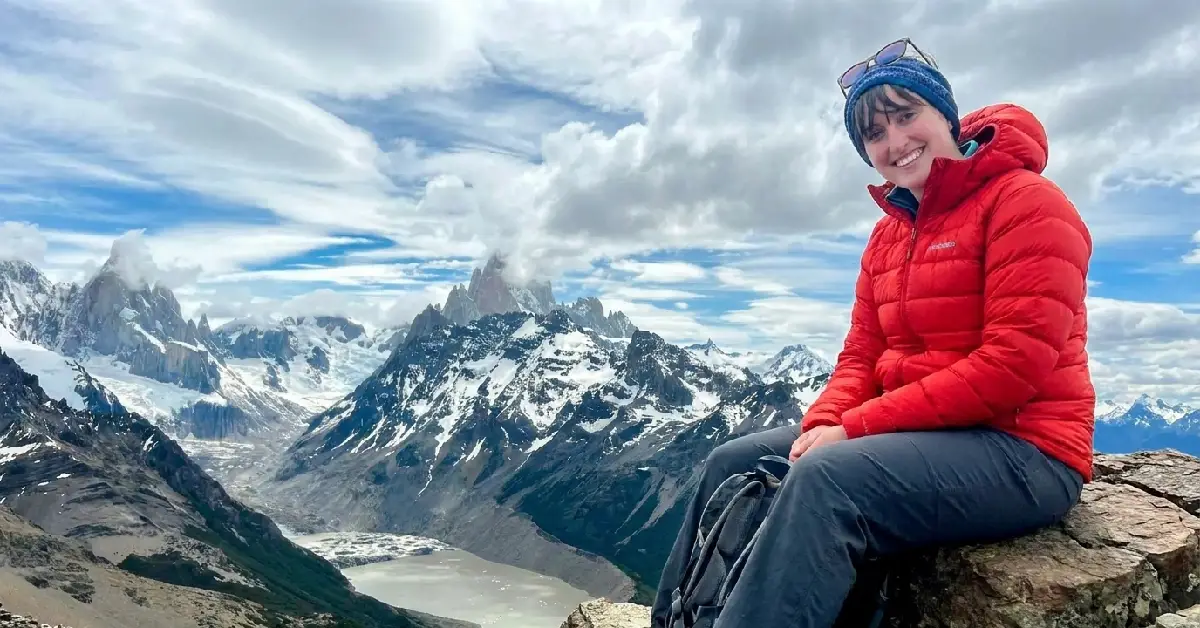
People keep asking me which countries work best when they search for the best countries for solo travel in South America. I never hand them a tidy top-five list. Instead I picture the messages that arrive at odd hours. One arrived from a woman standing outside a Cusco hostel at 2 a.m. She had just seen Machu Picchu by herself. She could not stop crying, not from fear, but from the quiet realization that she had pulled it off.
Moments like that explain why the continent lingers in people’s minds. South America rarely offers effortless wins. It asks for a little effort, then returns far more than most places. In 2026 the practical side has improved. Buses run more reliably. Hostels understand solo guests better. Several countries have strengthened their reputation with visitors. Yet the real difference still comes down to matching the destination to how comfortable you actually feel traveling alone.
When travelers ask about the best countries for solo travel in South America, the conversation quickly moves beyond rankings. It becomes about matching personality and comfort level to the right place.
Why the Region Keeps Drawing Solo Travelers
The variety arrives quickly. One week you stand in a desert that feels like another planet. The next you eat soup in a highland market while a grandmother teaches you the local word for potato. Landscapes shift. So do the people. Most locals greet solo travelers with curiosity rather than suspicion.
What surprises first-timers is how easy it becomes to stay alone without feeling lonely. A lively hostel common room in Medellín or Puerto Natales does half the work. Someone is almost always heading out for food or a hike. At the same time you can disappear into the mountains for several days and nobody finds it strange.
Cost matters too. You can travel comfortably on forty to sixty dollars a day across most countries while still having room for a better meal or a guided day trip. That margin becomes valuable when every choice rests on your shoulders.
Safety: What the Numbers Show Versus What Travelers Actually Experience
The rankings provide useful context. Argentina, Uruguay, and Chile usually rank highest on regional peace indexes. However, rankings never capture how a place feels at eight in the evening when your phone battery is low and you are walking back alone.
Travelers share the same patterns again and again. Women often tell me Montevideo felt safer at night than parts of their own home cities. Others describe the main issue in Lima or Bogotá as simple distraction theft, someone bumps you while another person lifts your phone. Annoying, yet rarely life-altering for most visitors.
For the most current official guidance, always check the latest US State Department travel advisories before you book.
Practical Habits That Reduce Stress for Solo Travelers
Because of this reality, small habits make a noticeable difference. Use ride apps after dark. Join small group tours for anything remote. Learn ten basic Spanish phrases before arrival. Choose hostels with strong reviews for both security and social atmosphere. On top of that, trust the feeling in your chest when a street looks off. Taking the longer route costs five minutes and can save hours of worry.
One traveler I worked with lost her phone in a Cusco market on day one. She had been taking photos with it out. She felt foolish for about an hour. Then she bought a cheap cross-body bag and finished the rest of her three-week trip without another incident. That pattern repeats often. Small errors happen. Quick adjustments usually fix them.
How Safety Feels Day to Day Across the Region
Still, safety feels different depending on the country. Uruguay, Chile, and Argentina currently sit at the top for day-to-day comfort. Peru and Colombia work well on the standard tourist routes when you stay aware and pick decent places to stay. Ecuador stays straightforward in the areas most visitors reach. Meanwhile, the biggest issues almost everywhere remain petty theft in crowded spots rather than targeted violence against tourists.
The Global Peace Index offers helpful regional comparisons if you want to dig deeper into the data.
Standout Countries for Solo Travel
These destinations come up most often when people describe trips that felt both safe and rewarding. They represent some of the best countries for solo travel in South America right now.
Chile: Organized Entry Point with Epic Scenery
Chile offers one of the gentlest on-ramps for many solo travelers. Santiago feels organized. Public transport works reliably. People help without hovering. Patagonia here rewards those willing to join the occasional group tour for the big treks. The refugios along the W Trek often turn into something like adult summer camp. Everyone eats together and swaps stories. Atacama delivers strange, beautiful landscapes best explored with small guided groups anyway.
For official planning resources, visit the Chile tourism website.
The trade-off involves higher prices in the far south and long distances between regions. Yet if you want to feel capable while still reaching real wilderness, Chile rarely disappoints.
Uruguay: Calm and Relaxed Introduction
Uruguay is the country I quietly suggest to anyone feeling nervous about South America. It stays small and calm. Montevideo and Colonia carry a relaxed European feel. The beaches remain lovely without aggressive party energy. Solo travelers here often say they finally exhaled. One woman spent an entire week simply walking the waterfront each evening and eating well. Nothing dramatic happened. That was exactly what she needed after a long flight.
Argentina: Soulful Cities and Shared Adventures
Argentina carries real soul. Buenos Aires moves like a loud, affectionate European city where tango spills into the streets and the food feels generous. Patagonia overlaps with Chile and feels even larger when you stand inside it. Solo travelers tend to like it because meeting people comes easily. Wine tastings in Mendoza, hostel barbecues in Buenos Aires, group hikes near El Chaltén, something is usually happening.
Watch your belongings in busy areas the way you would in any large city. Most issues stay small and manageable.
Must Read : How to Travel Abroad on a Low Budget: The 2026 Guide That Actually Works
Peru: Classic First Trip with Iconic Sites
Peru remains the classic first South America journey for good reason. Machu Picchu still delivers that gut-punch feeling even when other people are present. Cusco stays lively and full of other solo travelers. The food alone justifies the flight. Altitude remains the main wildcard though. Strong, fit people can get flattened for a couple of days. Because of this, building buffer time in Cusco helps. Most travelers settle once they slow down and drink the coca tea.
One person described standing at the Sun Gate at sunrise with ten quiet minutes completely to herself before the next group arrived. She said those ten minutes made every planning headache worth it.
For the latest entry requirements and site access rules, check the official Peru tourism portal.
Colombia: Energy and Rapid Improvement
Colombia has shifted more than any other country I track. The warmth feels genuine. Medellín especially carries an energy solo travelers respond to, creative, forward-moving, and easy for conversations with both locals and other travelers. Cartagena looks beautiful but can lean touristy. The Coffee Region rewards slower days and real conversations on farms or trails.
Safety has improved in the areas most visitors reach. Nevertheless, neighborhood research still matters. The travelers who enjoy Colombia most stay curious without dropping their guard.
Ecuador: Compact Diversity and Wildlife
Ecuador packs plenty into a small country. Quito and Cuenca offer pleasant city time. The Galápagos stands out for solo travelers willing to spend the money. Small boats or land-based tours create natural groups. Wildlife encounters have a way of making strangers talk to each other. The cost is real, yet the memories tend to justify it for those who go.
The official Galápagos National Park site has current visitor rules and sustainability guidelines.
Bolivia: Maximum Adventure on a Budget
Bolivia suits travelers who want maximum scenery on a tight budget. The Salar de Uyuni jeep tours are social by design. You spend three or four days with the same small group. It feels raw and beautiful. Not everyone loves it. However, the people who connect with it tend to connect deeply.
Planning That Matches How Real Trips Actually Unfold
Two focused weeks usually beat a rushed multi-country sprint. Pick one place and stay there. Peru centered on Cusco and Machu Picchu works well. So does Chile with time in Santiago plus either the desert or Patagonia. Moving every three days burns energy you could spend actually experiencing somewhere.
Daily costs for comfortable solo travel land around forty to sixty-five dollars in most countries. That covers a decent bed, meals, local transport, and some activities. Bolivia sits lower. Chile and Uruguay run higher but still feel reasonable next to Europe. Add extra for the Galápagos or serious treks.
Hostels that receive consistent praise have big shared spaces, organized outings, and staff who answer questions without making you feel like a burden. In Cusco and Medellín the social scene stays strong enough that many people extend their stays.
When planning among the best countries for solo travel in South America, the travelers who return happiest are rarely the most organized or the bravest.
What Years of Watching These Trips Have Taught Me
Instead they prepare enough to feel steady, then leave room for the trip to surprise them. They book the first couple of nights somewhere decent so arrival does not flatten them. They learn a few phrases They join one good group tour for the big adventures. Ultimately they change plans the moment something stops feeling right.
A comment I hear often afterward sounds like this: “I did not know I needed to show myself I could handle it.” That quiet shift appears in small ways, negotiating a bus ticket, fixing a minor problem without help, or sitting alone in a plaza with a book and realizing you feel completely fine.
South America does not hand over that feeling. You earn pieces of it along the way. That is exactly why it lingers long after you come home.
Frequently Asked Questions
Which countries actually work best for solo travel in South America these days?
Chile, Uruguay, and Argentina currently offer the smoothest and safest-feeling starts. Peru and Colombia deliver the big sights and lively energy with solid support systems. Ecuador becomes worth considering if the Galápagos is on your list. These remain among the best countries for solo travel in South America for most independent travelers.
How safe is South America for women traveling alone in 2026?
Uruguay, Chile, and Argentina sit at the top for day-to-day comfort. Peru and Colombia work well on the usual tourist paths when you stay aware and choose good hostels. The most common issues remain petty theft in crowded spots rather than violent incidents aimed at visitors.
What daily budget should I plan for?
Forty to sixty-five dollars covers comfortable solo travel in most places, decent accommodation, meals, buses, and some activities. Bolivia stays cheaper. Serious add-ons like the Galápagos push the total higher.
What does a sensible first solo itinerary look like?
Two weeks focused on one country usually feels better than racing through several. Peru centered on the Cusco area or Chile with time in Santiago plus one major natural region both work well. Leave breathing room. Do not try to tick every box.
Any final practical notes from people who have actually done it?
Secure your first two or three nights somewhere decent. Pick up basic Spanish before you go. Join at least one small group tour for the major adventures. And give yourself permission to change direction the moment something feels off. Travelers who stay flexible almost always return with better stories.