
Now, a few pockets are genuinely no-go zones right now, and I won’t sugarcoat that. But there’s also a bunch of small stuff nobody warns you about, the kind of thing you only learn when you’re standing outside a shut train station at 11pm trying to figure out what just happened. So let’s cut through the noise.
What the Eastern Europe Travel Advisory Actually Says
Government advisories are vague on purpose. All three big ones, the U.S. State Department, the UK Foreign Office, and Canada’s Global Affairs, use a four-level scale, and most of the region currently sits at Level 1 or 2. Translation: you’re fine, just use your head.
Poland. Czechia. Hungary. Romania. Slovakia. Bulgaria. Slovenia. All three Baltic countries. Normal travel, all of them. The genuine red flags are Belarus, Ukraine, and the Transnistria strip carved into eastern Moldova.
Here’s what nobody spells out. Any eastern europe travel advisory gets written for the worst-case scenario because no government wants to catch heat if something goes sideways. So read the country page itself, not the flashy headline at the top. The U.S. State Department travel advisory page actually gets refreshed pretty regularly and has the specifics you need.
Where to Go and Where to Skip
First timers? I usually push friends toward Poland, Czechia, Slovenia, or Estonia. They’re clean, easy to navigate, English works in the cities, and petty crime rates sit below what you’d deal with in Rome or Paris on any given day.
What’s off the table? The Belarusian border. Anywhere close to the active fighting in Ukraine. Transnistria. That’s basically the list. Beyond that, the region is yours.
Eastern Europe Travel 2026: What’s Different Now
The other change nobody should ignore is ETIAS, which finally goes live later this year. Hold a U.S., UK, Canadian, or Australian passport? You’ll need to apply online before you enter the Schengen zone. Costs around €7, good for three years, takes maybe ten minutes. It’s not a visa exactly, more like a pre-approval. Don’t leave it until the airport.
What You’ll Really Spend Per Day
This is where the region hands you a win. Even with inflation biting across the EU, eastern europe travel cost is still hard to beat anywhere on the continent.
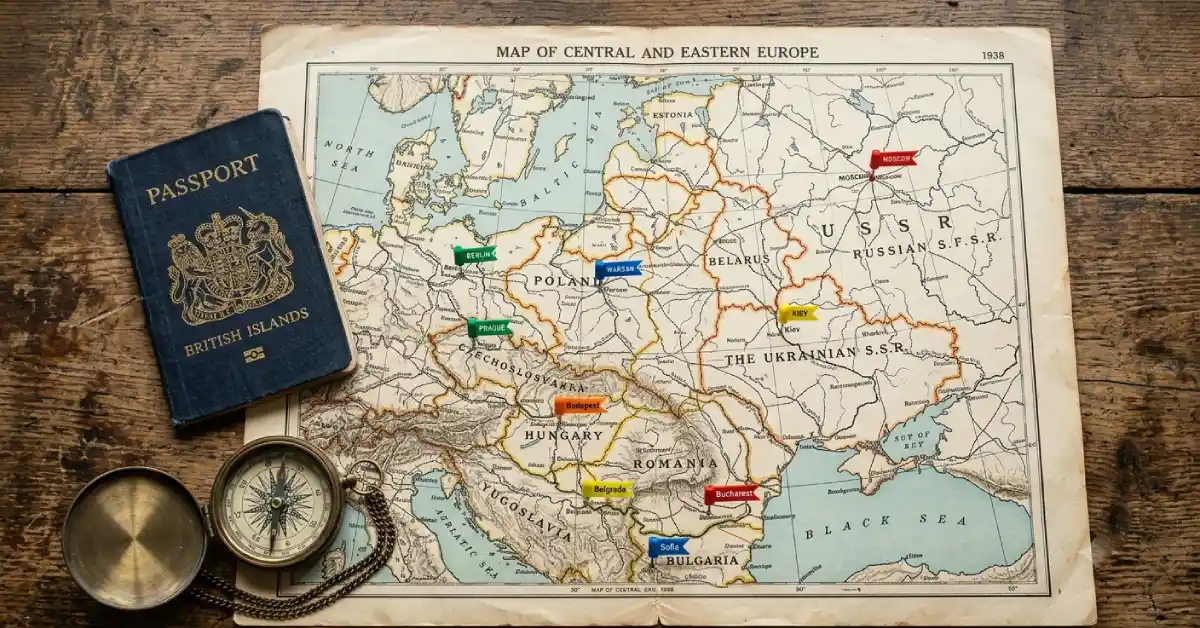
Costs for recent travels: Poland, Hungary, Czechia? Figure $70 to $110 per day for decent three-star hotels, eating at proper local restaurants, using trains and metros etc. Then down to the south of Europe: Bulgaria, Romania, Serbia, and North Macedonia. Figures here are around $45 to $75 per day for a comfortable trip. Finally Albania and Georgia, where you can have a comfortable trip for $35 to $55 per day and eat like a king.
Regional flights are almost embarrassingly cheap. Wizz Air and Ryanair basically run flying buses. Booked Warsaw to Sofia once for around $28. Not a typo. Trains take longer but the views make up for it. That overnight sleeper between Budapest and Bucharest? About $60 for a private cabin, and it’s genuinely one of those experiences you remember.
The biggest saving, though, is where you sleep. A nice boutique hotel in Ljubljana or Vilnius runs you $90 a night. Try finding that same standard in Amsterdam. You’ll be paying $270 without blinking.
Must Read: San Diego Travel Itinerary: The Perfect 3-Day Weekend Plan
Best Eastern Europe Travel Destinations and Spots
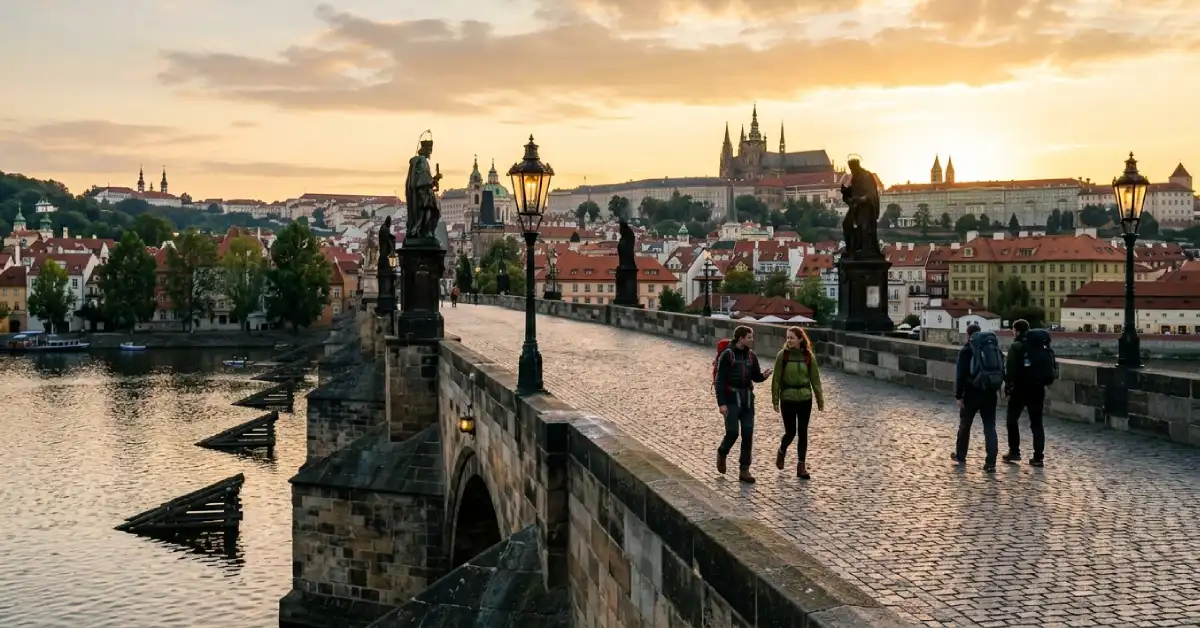
The famous three, Prague, Kraków, Budapest, earned their reputation. All three are beautiful, easy to walk, and linked by solid train lines. If it’s your first trip, just do them. There’s zero shame in going for the classics.
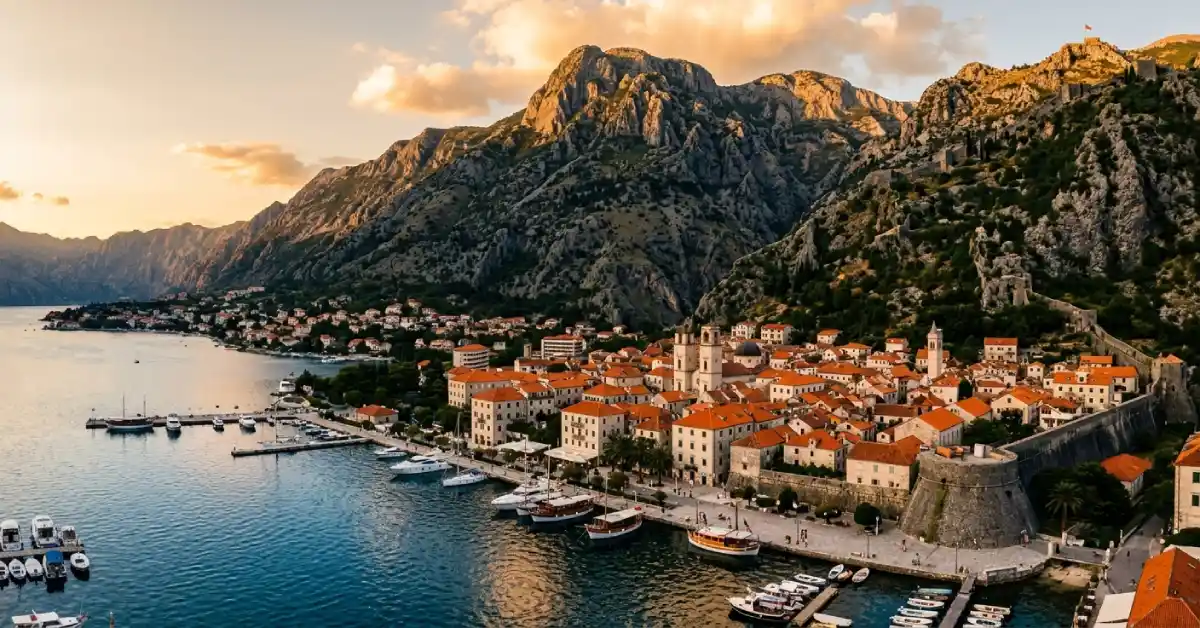
Been there already? That’s where the good stuff opens up. Timișoara in Romania has this slow, arty atmosphere that took me by surprise. Plovdiv in Bulgaria might genuinely be my favorite small city anywhere in the region. And Kotor in Montenegro? Still stunning, though it’s getting discovered fast, so I’d go sooner than later.
The Baltics don’t get nearly enough attention. Tallinn’s medieval old town is UNESCO-listed and it deserves it. Estonia has basically figured out how to run a country digitally, which is a small blessing if you’re trying to work remotely for a few days.
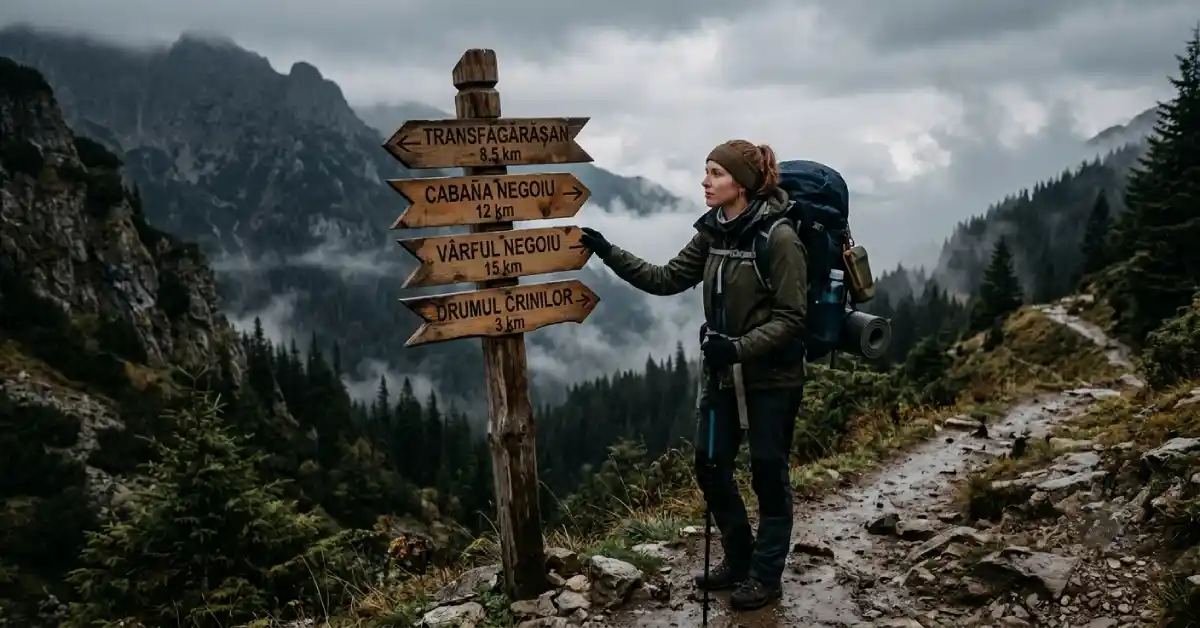
Nature-wise, the eastern europe travel spots I recommend most are the Julian Alps in Slovenia, Bicaz Gorge cutting through Romania, and Georgia’s Svaneti region up in the Caucasus. Views rival Switzerland at maybe a third of what you’d pay there.
The Underrated Ones
Belgrade is one of my favorite cities in Europe. Period. The nightlife is unreal, the food is heavy and delicious, and prices haven’t caught up to the reputation yet. Sarajevo will hit you emotionally in a way you’re not braced for. The weight of the history is real, but the warmth of the people surprises everyone I’ve sent there. And Chișinău? It’s this strange, quiet Moldovan capital wrapped in wine country older than most of Europe. Just don’t drive into Transnistria on a whim.
Tips I Wish Someone Had Told Me
Between all the trips, I’ve messed up enough times to have a proper list of eastern europe travel tips that will save you actual money and grief.
Cash. Always keep some small bills in local currency on you. Plenty of cafés outside the capitals, most taxis, and pretty much every village guesthouse still won’t touch a card. And when you do pull cash from an ATM, avoid the Euronet ones. Those yellow machines you see everywhere? Terrible exchange rate. Bank-branded ATMs, always.
Pick up five words. That’s all. Hello, please, thank you, sorry, beer. You’ll watch people warm up to you in real time. It costs nothing and opens doors.
Book trains straight through the national rail sites. PKP for Poland, ČD for Czechia, MÁV for Hungary. Third-party aggregators just tack on fees for no reason at all.
Around Prague, Bucharest, and Sofia, at airports and train stations especially, the taxi scams are still going strong. Just open Bolt. It works everywhere, and there’s no argument at the end of the ride.
Renting a car? Get an International Driving Permit before you leave home. Rental desks sometimes skip asking, but the cops absolutely don’t, and the fines add up quick.
Essentials You’ll Actually Use
Beyond your passport and insurance, a handful of things genuinely make life smoother. Grab a Type C/F plug adapter. Works across the whole region, then forget it exists in your bag.
For money, Revolut or Wise beat regular debit cards on currency conversion. Not even close.
Insurance matters more here than it does in Western Europe. Healthcare quality varies wildly depending on where you land, and if you hurt yourself hiking in the Carpathians or somewhere in the Caucasus, you want the evacuation coverage locked in. Forty to eighty dollars for two weeks. Cheap peace of mind.
Grab offline maps before you fly out. EU roaming works fine in most spots, but head into the mountains and don’t count on any signal. If you want a deeper resource to plan around, Rick Steves’ Eastern Europe guide is one of the better ones out there. Between that and any current eastern europe travel advisory update, you’ll have a solid base to plan from.
A 14-Day Itinerary That Just Works
Here’s a route I’ve run a few variations of, and I keep coming back to it. Start in Kraków. Three nights there, old town, Wawel Castle, and Auschwitz-Birkenau done properly. Then hop the overnight train down to Budapest for four nights. Thermal baths, ruin bars, long walks along the Danube. It’s a city that rewards wandering.
Out of Budapest, fly to Sofia. Two nights, then rent a car and drive south through Rila Monastery down to Plovdiv for another two nights. Loop back to Sofia and catch a flight to Belgrade for your final three nights. Belgrade itself plus a day trip up to Novi Sad wraps things up nicely.
Total spend, minus your international flights? Somewhere between $1,600 and $2,200 per person. Not bad at all for two weeks in some seriously beautiful cities.
Eastern Europe Travel Warnings Worth Taking Seriously
Some warnings you can shrug off. Others you really can’t. Belarus is a hard no right now. Tourists have been detained on nonsense charges more than once since 2022. Ukraine, obviously, isn’t a tourist call at the moment. Transnistria technically belongs to Moldova but functions like its own strange little zone, and travelers keep reporting bribe attempts at the checkpoints.
Overnight trains, the Budapest to Bucharest and Belgrade to Sofia runs especially, still see petty theft. Lock your cabin, keep the valuable stuff pressed against your body while you sleep. Basic, but people forget.
Football match days can flip nasty in Poland, Serbia, and Croatia. Check the fixture list before you go. Avoid the stadium districts on game night unless you’re actually going to the match.
For the most current situation on the ground, the UK Foreign Travel Advice pages get updated more often than the U.S. equivalents and actually dig into the practical detail.
Packages or Doing It Yourself?
Package tours have leveled up in the last few years. Companies like Intrepid, G Adventures, and Explore run solid small-group trips that hit the highlights without feeling like a cattle-drive tour bus. Budget $1,800 to $3,000 for two weeks, flights not included. Most decent eastern europe travel packages these days include local guides who actually know the region.
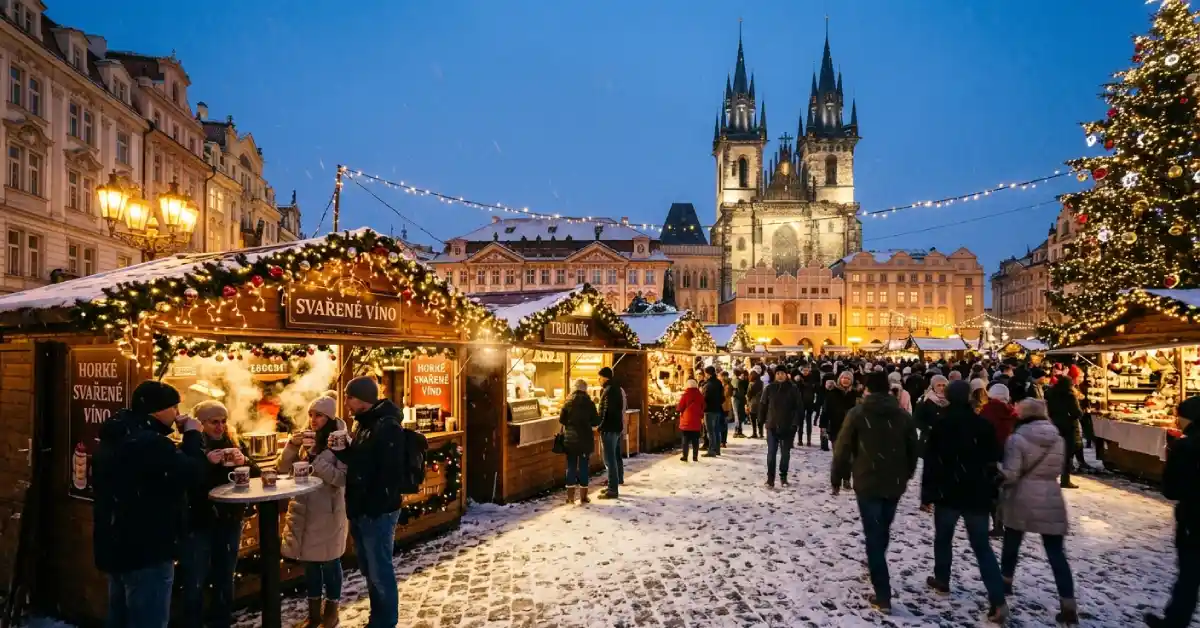
That said, if you can handle booking your own trains and hotels, you’ll shave off 30 to 40 percent going independent, plus you actually get to chase whatever interests you, not what the tour brochure decided. Packages start making real sense if you’re solo and want built-in company, or if you’re heading over during Christmas market season when everything sells out weeks in advance.
Highlights That Stick With You
These are all experiences that always land with me. A performance at the Estonian National Opera in Tallinn costs about the same as a movie ticket in the West. The Budapest Széchenyi baths in the snow are one of those rare travel experiences that really give you ‘oh, this is why I travel’ moments. Hiking up to the Ostrog Monastery in Montenegro really stops you in your tracks.
Planning multiple train journeys? The European Rail Timetable is worth the small subscription. It’s still the most complete regional train resource going.
Final Thoughts
Truth is, the current eastern europe travel advisory picture is a lot more manageable than most people picture. The region is safer, cheaper, and better connected than at any point in the last twenty years. Sure, a handful of zones are off-limits. Everywhere else is open, welcoming, and easily one of the best travel deals left on the planet.
Read up. Check any recent eastern europe travel advisory update before you fly. Respect the real warning areas. Then go. You’ll get home and wonder why you waited this long in the first place.