
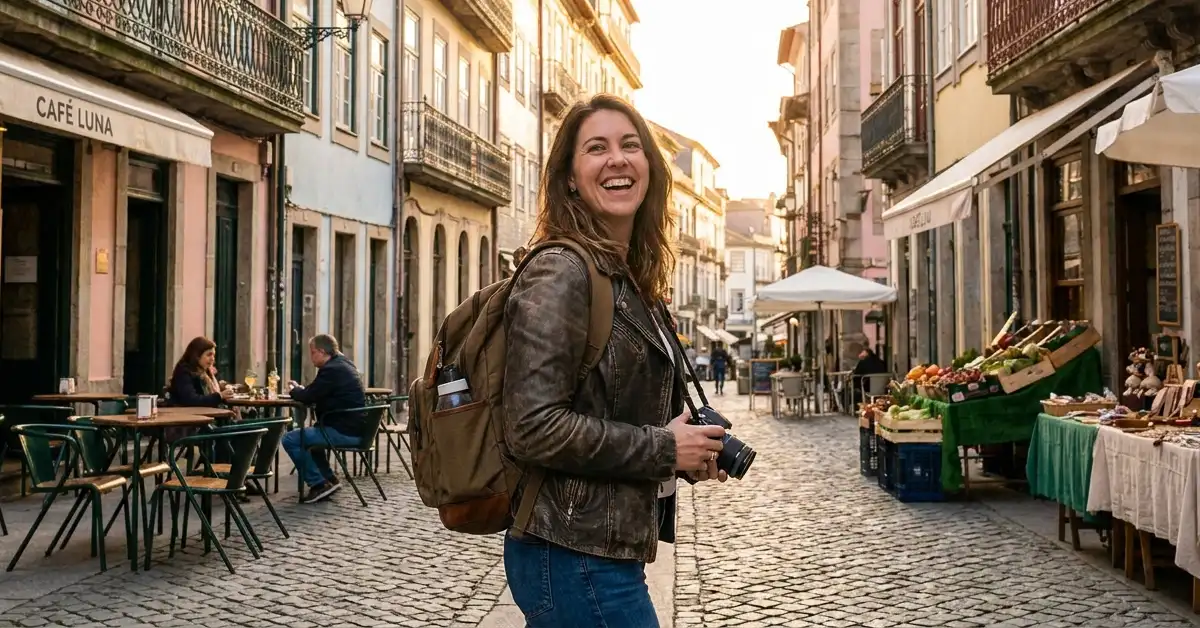
Second city travel for women is having a quiet revolution, and most travelers haven’t caught on yet. Good. More room for the ones who have.
While everyone else is fighting for a photo in front of the Trevi Fountain or paying $28 for a cocktail in Midtown Manhattan, a smarter kind of traveler is discovering something different. Smaller cities. Real neighborhoods. Places where locals actually eat, sleep, and live, rather than cities that have essentially become theme parks for tourists.
The case for going “second city” isn’t just about beating the crowds, though that’s a real bonus. It’s about what you gain when you step off the beaten path: genuine safety, affordable costs, human connection, and experiences that don’t feel manufactured. For women, especially those traveling solo or in small groups, these benefits stack up fast.
This guide is your starting point. We’ll cover what second cities actually are, why they work so well for female travelers, and which destinations deserve to be on your radar right now.
What Exactly Is a Second City?
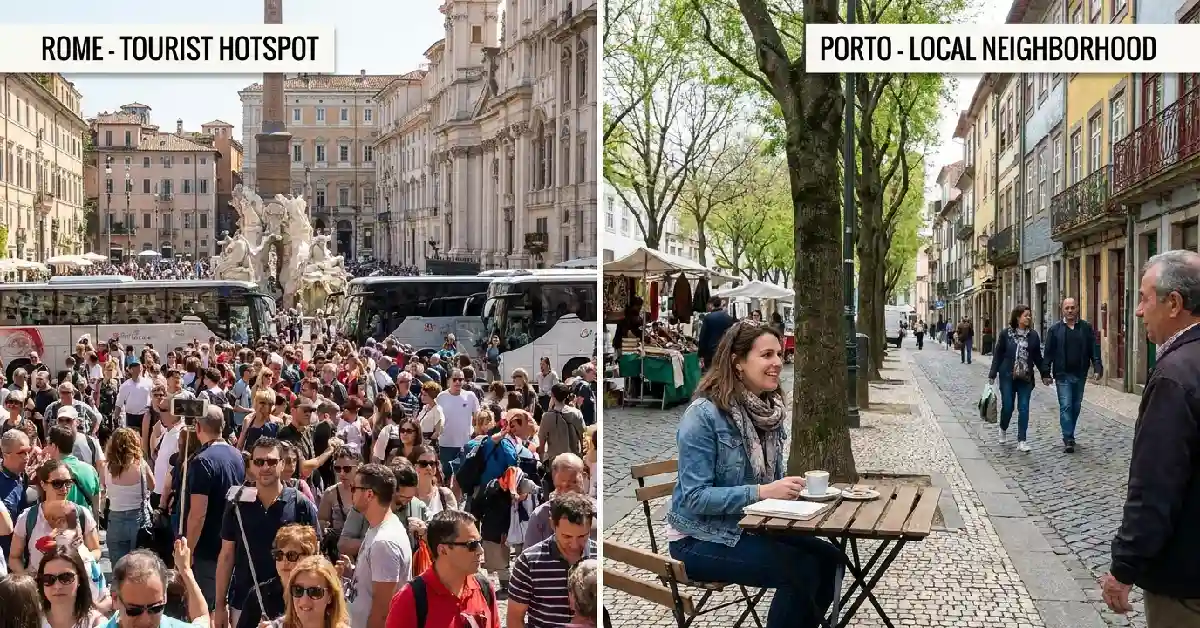
The term doesn’t have a strict definition. Broadly, a second city is any destination that sits one level below the obvious tourist giants, not a capital, not a bucket-list heavyweight, but a real, functioning city with its own identity and culture.
Think Bologna instead of Rome. Porto instead of Lisbon. Chattanooga instead of Nashville. Chiang Rai instead of Chiang Mai.
These aren’t “hidden gems” in the clichéd sense. Locals know them well, that’s the whole point. They just haven’t been overrun by the infrastructure of mass tourism yet: no hop-on-hop-off buses, no €35 gelato, no hour-long queues for a museum that used to be free.
That gap between “genuinely good place to be” and “internationally famous” is exactly where the best travel happens.
Must Read: Best Dark Sky Locations for Stargazing in America: 15 Certified Gems
Why Second City Travel Works So Well for Women
1. Safety Is More Nuanced Than You Think
Bigger doesn’t mean safer. That’s one of the most important things to understand before you plan any trip as a woman.
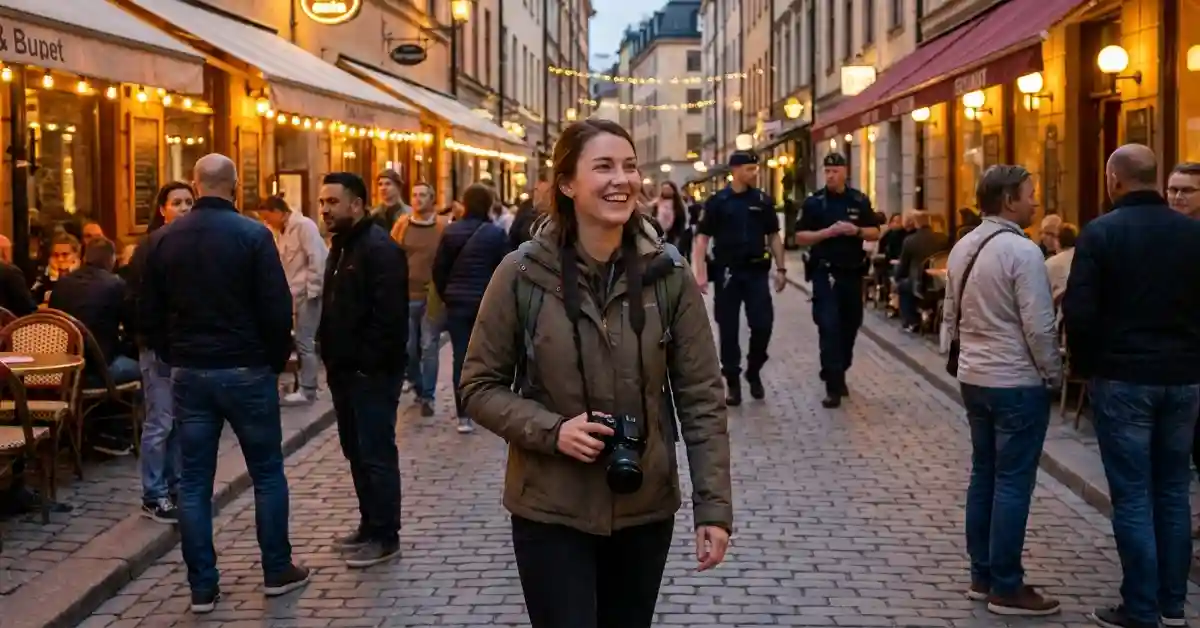
In highly touristed cities, crime follows density. Pickpockets in Rome, taxi scams in Bangkok, street harassment in parts of Istanbul, these aren’t random problems. They’re the predictable result of thousands of tourists cycling through the same spots every day, making easy targets. The safest second cities for women travelers often have none of that infrastructure, simply because there aren’t enough tourists to make it profitable.
Cities like Boise, Idaho; Trondheim, Norway; and Cuenca, Ecuador rank consistently well in solo female traveler safety surveys, not because they’re boring or small, but because they’re functional places built for people who actually live there.
What to look for when assessing a second city for safety:
- Local women out after dark. If they feel safe walking alone at night, that tells you more than any crime statistic.
- Active pedestrian culture. Empty streets aren’t safe streets. Busy ones are.
- Accessible public transit that runs predictably.
- Pharmacies and clinics you can reach without a car.
- A hotel or hostel front desk that speaks your language, or close to it.
None of this guarantees a perfect experience. But it’s a better framework than assuming that fame equals safety.
2. You Become a Person, Not a Tourist
Here’s something nobody tells you about traveling to a second city: you become interesting again.
In Venice, you’re one of 30 million annual visitors. Nobody notices you arrive. Nobody notices you leave. In Plovdiv, Bulgaria, or León, Mexico, or Asheville, North Carolina, you are someone worth talking to. The café owner asks where you’re from. The woman at the market tells you what to actually order. The hostel staff gives you real advice instead of a laminated card with QR codes.
For solo female travelers, this matters beyond just the warm feeling of being welcomed. Being known in a neighborhood, even after a day or two, creates an informal safety net that no travel app can replicate. People look out for you when they know your face.
3. Affordable Second City Travel Means You Can Stay Longer
Let’s talk money, because it’s not a minor consideration.
Second cities are, almost universally, cheaper than their famous counterparts. Sometimes dramatically so. Here’s what the cost gap looks like in practice:
| Destination Pair | Major City Daily Cost | Second City Daily Cost |
|---|---|---|
| Rome vs. Bologna | ~$185/day | ~$95/day |
| Lisbon vs. Porto | ~$160/day | ~$100/day |
| Bangkok vs. Chiang Rai | ~$55/day | ~$32/day |
| New York vs. Asheville | ~$230/day | ~$115/day |
| Mexico City vs. Oaxaca | ~$80/day | ~$45/day |
Over ten days, that difference can mean thousands of dollars. More practically, it means you can afford to slow down, to spend a week somewhere instead of three rushed days, to eat well rather than defaulting to the cheapest option, to take that cooking class or day hike without agonizing over the budget.
Affordable second city travel for women isn’t about settling. It’s about getting more trip for the same money.
Must Read: Crystal Crane Hot Springs: The Complete Oregon Guide (Hours, Cost & Tips)
The Best Second Cities for Solo Female Travelers in 2026
These picks are based on solo female traveler community feedback, walkability data, cost of living indexes, and cultural richness. They’re not ranked, different trips call for different destinations.

In the United States
Women-friendly second cities in America are genuinely underappreciated. The country’s geographic scale means you can find radical variety just a few hours from any major hub.
Asheville, North Carolina Mountain air, a thriving arts scene, some of the best craft brewing in the country, and a walkable downtown that feels alive well into the evening. Asheville has quietly become one of the most discussed cities in solo female traveler communities, for good reason. It’s warm, quirky, and almost aggressively welcoming.
Savannah, Georgia Spanish moss, cobblestone squares, James Beard-nominated restaurants, and architecture that makes you forget what decade you’re in. Savannah’s downtown is walkable, safe, and absolutely beautiful. It doesn’t get the same press as Charleston, which is precisely why it’s better.
Boise, Idaho Routinely cited among the safest underrated cities for women travelers in 2026, Boise surprises people. A booming food scene, easy access to skiing and whitewater, low crime, and a cost of living that feels almost unfair compared to coastal cities. Underestimated, full stop.
Chattanooga, Tennessee Nashville takes all the attention, but Chattanooga has something Nashville lost years ago: authenticity. The Tennessee Riverwalk is gorgeous. The food scene is genuinely good. And you can actually afford to stay for a week without restructuring your finances.
In Europe
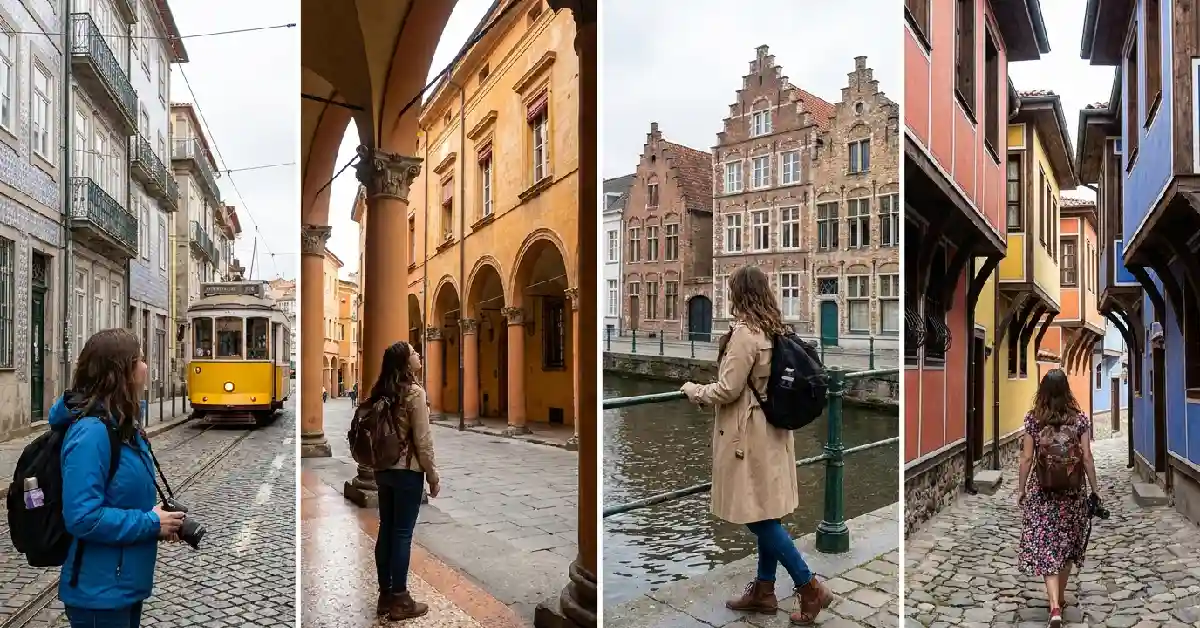
Bologna, Italy The food capital of Italy, a title that means something in a country that takes food very seriously. Bologna’s medieval arcades keep you dry in the rain, the university population keeps the city young and energetic, and the tourist-to-local ratio is dramatically better than Florence or Rome. One of the best second-tier cities for female solo travelers in Europe.
Porto, Portugal Lisbon is beautiful. Porto is better. Hillier, more intimate, visually stunning in a way that feels earned rather than curated. The wine is world-class (and cheap). The neighborhoods, Ribeira, Cedofeita, Bonfim, each have their own personality. Solo female travelers consistently rate it highly for walkability and general ease.
Ghent, Belgium Brussels gets overlooked in favor of Paris; Ghent gets overlooked in favor of Brussels. Which means Ghent is sitting there, largely unvisited, with medieval canals, extraordinary architecture, a brilliant food scene, and virtually no tourist crowds. Go before that changes.
Plovdiv, Bulgaria One of the most interesting hidden second city destinations for women right now. Europe’s oldest continuously inhabited city, 2019 European Capital of Culture, and one of the continent’s most affordable places to spend a week. The Old Town is car-free, walkable, and genuinely beautiful. The locals are exceptionally hospitable.
In Latin America
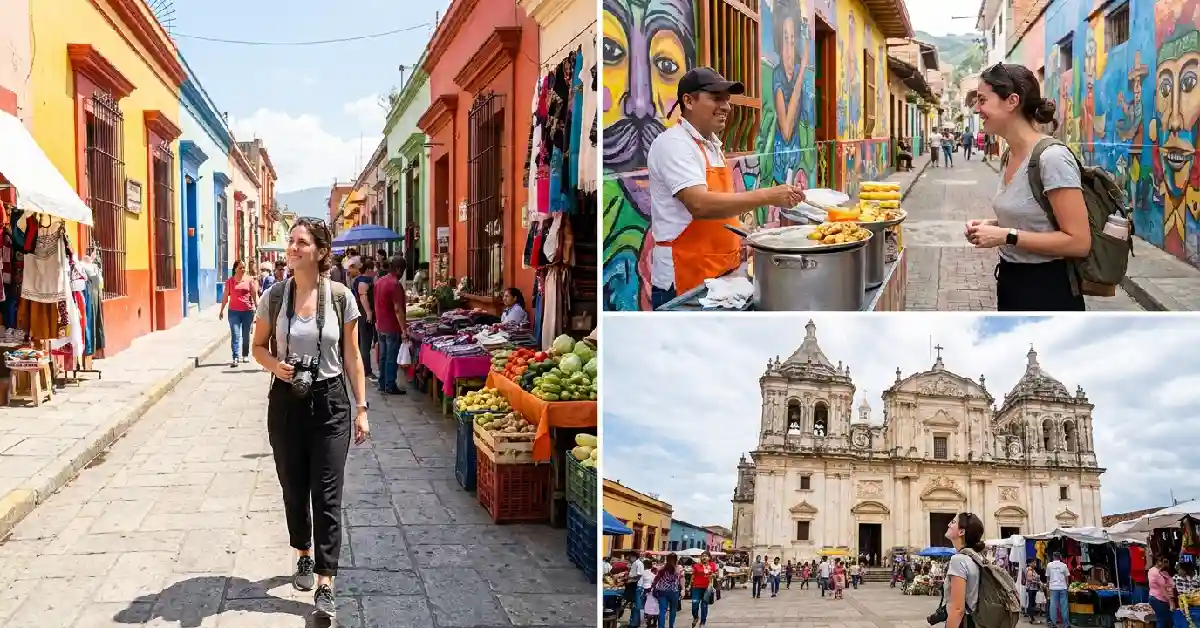
Medellín, Colombia The transformation of Medellín is one of the great urban stories of the last 30 years. It was once the most dangerous city on earth. Today it’s a hub for digital nomads, solo travelers, and artists, with excellent infrastructure, an efficient metro system, spring-like weather year-round (it sits at 1,495 meters elevation), and a cost of living that stretches any budget.
Oaxaca, Mexico Among the best second cities for solo female travelers anywhere in the Americas, Oaxaca earns its reputation in every category. The food is extraordinary, mole negro, tlayudas, memelas, mezcal that costs less than a cup of coffee at home. The textile art scene is world-class. The city is compact and walkable. And the established backpacker community means you’ll find your footing quickly.
León, Nicaragua Not for everyone, the infrastructure is thinner and the heat is intense. But for women who want genuine adventure at a genuine budget, León delivers. Colonial architecture, volcano boarding on Cerro Negro, and an openness from locals that’s hard to find anywhere more touristed.
In Asia
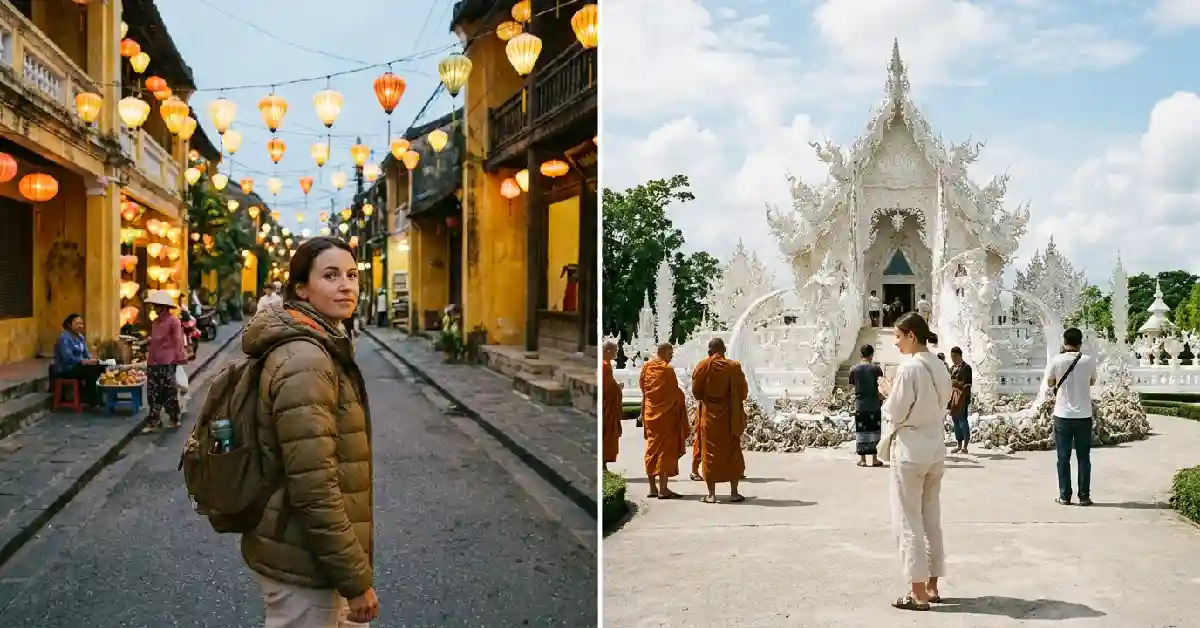
Chiang Rai, Thailand Chiang Mai gets the guidebook space, but Chiang Rai is where the experience is still intact. The White Temple. The Blue Temple. The night markets that haven’t been redesigned for Instagram. Lower prices, fewer crowds, and proximity to the Golden Triangle make it one of the most compelling off-the-beaten-path second cities for women in all of Southeast Asia.
Hội An, Vietnam Technically a small town, but it functions like a second city relative to Hanoi or Ho Chi Minh City. The lantern-lit old town is genuinely magical, the tailoring scene is legendary, and the cycling culture makes it easy to explore without organizing tours. Solo female travelers consistently describe it as one of the most comfortable places they’ve visited in Asia.
How to Plan a Second City Trip as a Woman: Practical Steps
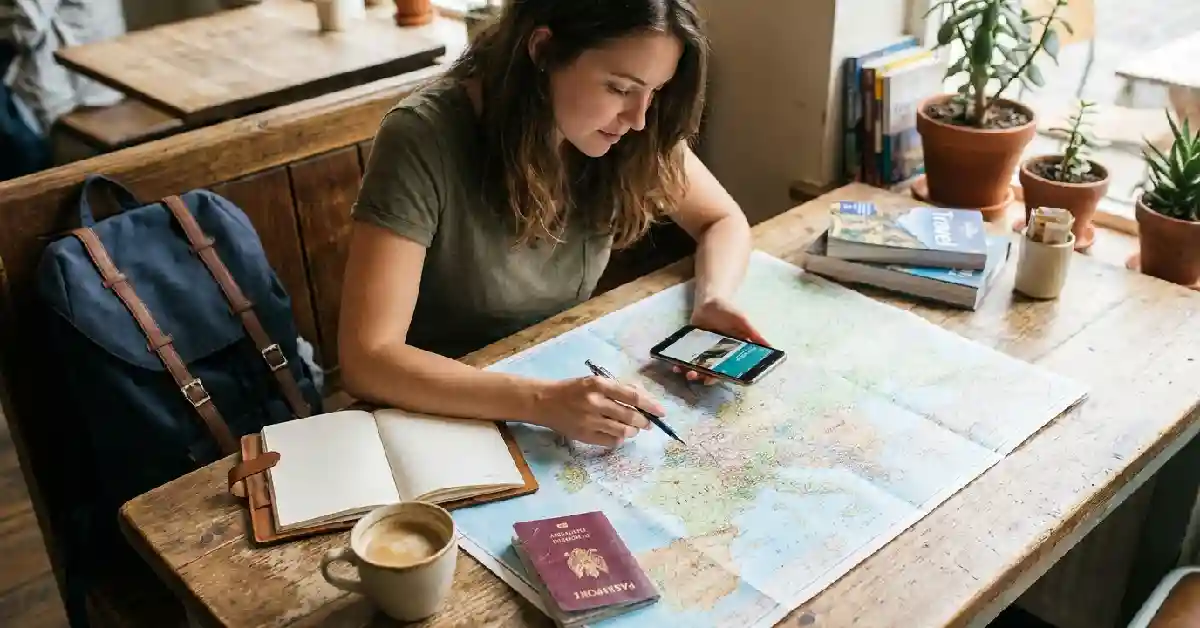
Step 1: Research Using Women-Specific Sources
General travel reviews on TripAdvisor or Google will tell you the food is good and the views are nice. They won’t tell you whether solo women feel comfortable walking home at 10pm.
Go where women travelers actually talk:
- r/solotravel on Reddit (search the city name + “female” or “solo woman”)
- Solo Female Traveler (solofemaletraveler.com, Meg Jerrard’s long-running resource)
- Be My Travel Muse (Kristin Addis specializes in female solo travel logistics)
- Women Who Travel (Condé Nast’s community platform)
- Facebook groups for expat women in your specific destination city
That last one is underrated. Local expat women’s groups on Facebook often have pinned posts covering exactly what you need: safe neighborhoods, reliable transport, current scam alerts.
Step 2: Arrive in Daylight on Day One
Always. Especially in second city travel destinations beyond major tourist cities, where airport taxi infrastructure may be less standardized and the city layout less obvious. Landing in daylight gives you time to orient yourself, sort accommodation issues, and get a feel for the neighborhood before dark.
Step 3: Book Your First Two Nights Centrally
Even if you plan to move neighborhoods or explore widely, stay centrally for your arrival nights. Walking distance to food, a pharmacy, a café, these matter when you’re jet-lagged and still figuring out the bus system.
Step 4: Download Offline Maps Before You Land
Many second cities have patchy or inconsistent cell data in older neighborhoods. Google Maps offline works well for most destinations. Maps.me is better for rural edges. Download both. Save your accommodation address in three different formats, address, coordinates, and a screenshot.
Step 5: Learn Five Phrases in the Local Language
Hello. Thank you. Where is? How much? Help. That’s it. Five phrases will not make you fluent. They will make locals treat you completely differently, and in a second city where English isn’t universally spoken, that difference is significant.
Honest Pros and Cons of Second City Travel for Women
Pros:
- Costs are meaningfully lower, often 40–60% less than major tourist cities
- Tourist-targeting crime is less common (fewer tourists = less incentive)
- Richer local connection; you’re a guest, not one of millions
- Attractions aren’t swamped; you can actually experience them
- Slower pace invites deeper engagement with a place
- Strong sense of discovery that overphotographed destinations rarely offer
Cons:
- Women-specific travel reviews are harder to find for less-visited cities
- English may be less common in service settings
- Medical care may require traveling to a larger city for anything serious
- Airport connections are often less direct, adding transit time
- Safety norms vary more widely, research becomes non-negotiable, not optional
Worth noting: all of the cons are manageable. None of them are dealbreakers. They require more preparation, not more courage.
What Experienced Women Travelers Actually Say
Sara Rosso, a travel writer with more than 60 countries and over a decade of solo female travel, describes her experience in Plovdiv this way: “Nobody believed I’d chosen it over Budapest. By day three I was having dinner with a local family. That kind of thing doesn’t happen in Budapest anymore.”
That’s not a one-off story. It’s the consistent pattern reported by women who make the shift to second-city travel.
Kristin Addis, founder of Be My Travel Muse, has developed a practical framework for evaluating city safety for solo women. Her three questions: Do local women walk alone after dark? Is the city walkable enough that you don’t need to rely on strangers for transport? Can you access emergency services independently? Second cities, she notes, often score better on these metrics than their famous counterparts.
The shift happening in the solo female travel community isn’t trend-driven. It’s a response to real over-tourism fatigue, the exhaustion of paying more, waiting longer, and experiencing less in cities that have been optimized for tourist throughput rather than actual experience.
Conclusion
Second city travel for women isn’t the backup plan. It’s the better plan.
The cities covered here, Asheville, Porto, Oaxaca, Chiang Rai, Plovdiv, and the rest, aren’t where you go when Paris is too expensive or Rome is too crowded, though both of those things are true. They’re where you go when you want travel to feel like something real again. When you want to eat at a restaurant because a local recommended it, not because it has a thousand Google reviews. When you want to walk home at night without feeling like a target.
In 2026, with over-tourism continuing to hollow out the experience of the world’s most famous cities, the best move any woman traveler can make is to look one tier down. The world you’re actually looking for is already there, it’s just waiting in cities whose names you might not recognize yet.
Start with one. You’ll understand quickly why it won’t be your last.
FAQ: Second City Travel for Women
What are the safest second cities for solo female travelers in 2026?
Globally, standouts include Asheville (USA), Porto (Portugal), Chiang Rai (Thailand), Medellín (Colombia), and Ghent (Belgium). Safety should be assessed at the city level, not the country level, using women traveler-specific sources. National crime statistics rarely reflect what solo women experience on the ground in specific neighborhoods.
How do I find affordable second city travel options as a woman on a budget?
Second cities are inherently cheaper, but you can optimize further by traveling in shoulder season (spring and autumn for most destinations), staying in well-reviewed boutique guesthouses or private hostel rooms rather than hotel chains, and eating where locals eat. Traveling slowly, five or more days in one city, also dramatically reduces per-day costs by eliminating constant transport and entry fees.
Are second cities less safe for women than major tourist cities?
Not as a rule. Many second cities are demonstrably safer, specifically because they haven’t developed the tourist-targeting crime infrastructure that flourishes in heavily visited destinations. Evaluate each city individually using women-specific travel communities rather than assuming size or fame correlates with safety.
What travel resources are most useful for women planning a second city trip?
The most reliable include Solo Female Traveler (solofemaletraveler.com), Be My Travel Muse (bemytravelmuse.com), Women Who Travel by Condé Nast, and the r/solotravel subreddit. For real-time, hyperlocal safety information, Facebook groups for expat women in your specific destination city are often the fastest and most accurate source available.
Which second cities in America are best for solo women travelers?
Asheville (NC), Savannah (GA), Boise (ID), Chattanooga (TN), and Bend (OR) consistently rank highest based on solo female traveler feedback. All five offer strong walkability, developed food and arts scenes, and meaningful outdoor access, at costs significantly lower than New York, Los Angeles, Chicago, or San Francisco. Each has a distinct character; the right choice depends on what kind of experience you’re looking for.