
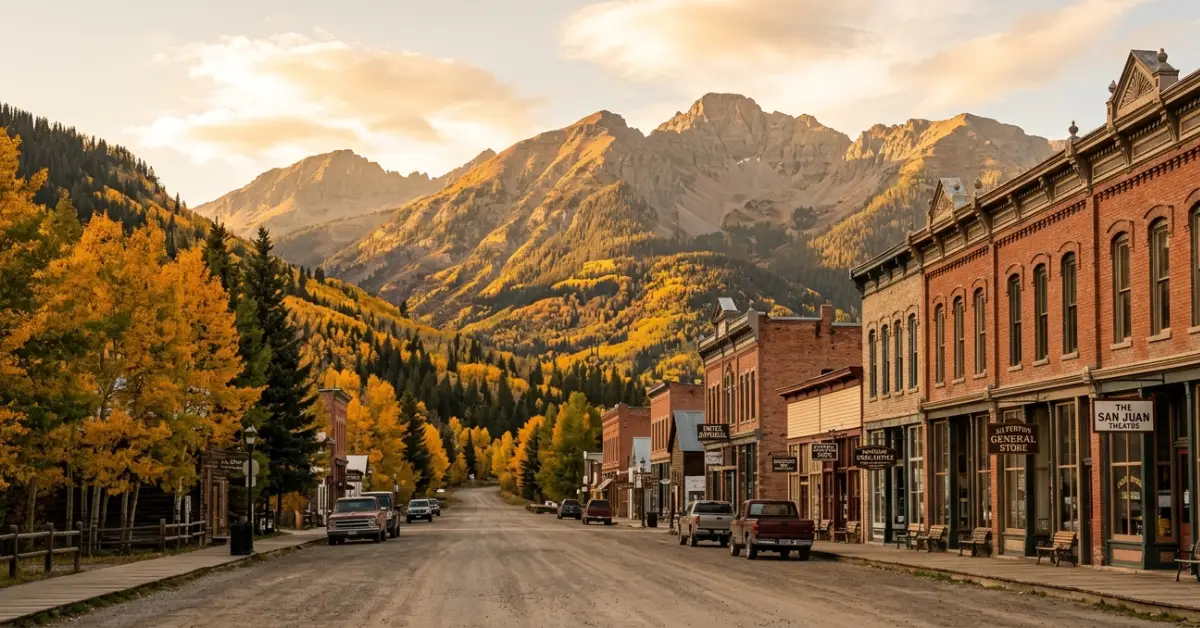
If you’ve only seen Aspen, Vail, and Telluride, you haven’t seen the Colorado locals actually love. The hidden small towns in Colorado worth visiting don’t sit near interstate exits. They hide in valleys and box canyons where most travelers never think to look. I’ve spent years driving the back highways of the San Juans, the Western Slope, and the Sangre de Cristos. One pattern holds every time: the smaller the population sign, the better the story behind it.
This guide skips the places you’ve already heard of. Instead, it focuses on the towns that reward a little extra driving time – mining-camp architecture still standing after 140 years, hot springs without a velvet rope, Main Streets where you can actually find parking.
Why Small Towns Deserve a Spot on Your Colorado Itinerary
Colorado’s famous resort towns are wonderful – and expensive, and packed nine months out of the year. Hidden small towns in Colorado worth visiting offer something else entirely: lower prices, real local culture, the same mountains minus the lift-ticket lines.
Key advantages of choosing a small town over a resort town:
- Lower lodging costs. A motel room in Lake City or Creede often runs half the price of a comparable room in Breckenridge during peak season.
- Authentic local economy. Money spent here stays local. Family-owned diners, outfitters, inns – not corporate chains.
- Easier access to wilderness. Many towns sit right beside national forest land, so trailheads start minutes from your front door. No shuttle required.
- Fewer crowds, same scenery. Geology doesn’t care how many people show up to look at it.
There’s a real tradeoff. Fewer restaurants. Spotty cell service. Businesses that close down entirely for the off-season. Plan around that rather than against it.
1. Lake City: The Town Time Forgot in the San Juans
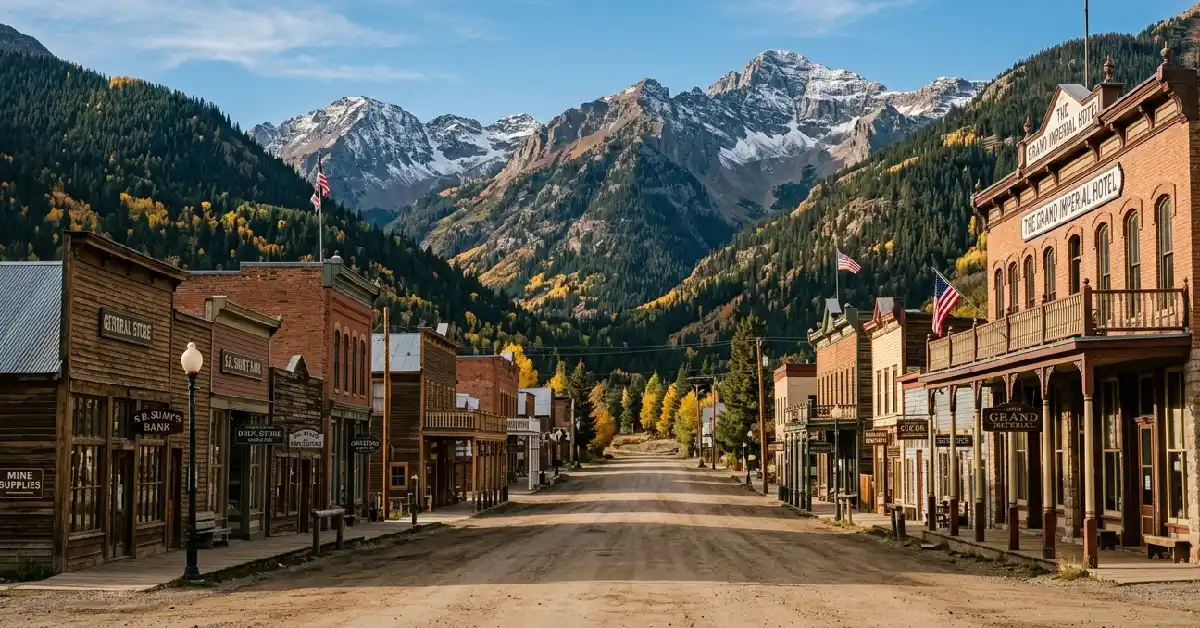
At 8,671 feet, Lake City anchors Hinsdale County, the least densely populated county in Colorado. Year-round population: somewhere around 400 to 430 people. National forest rings the town on nearly every side, and it’s the only incorporated municipality the county has.
What Makes It Worth the Drive
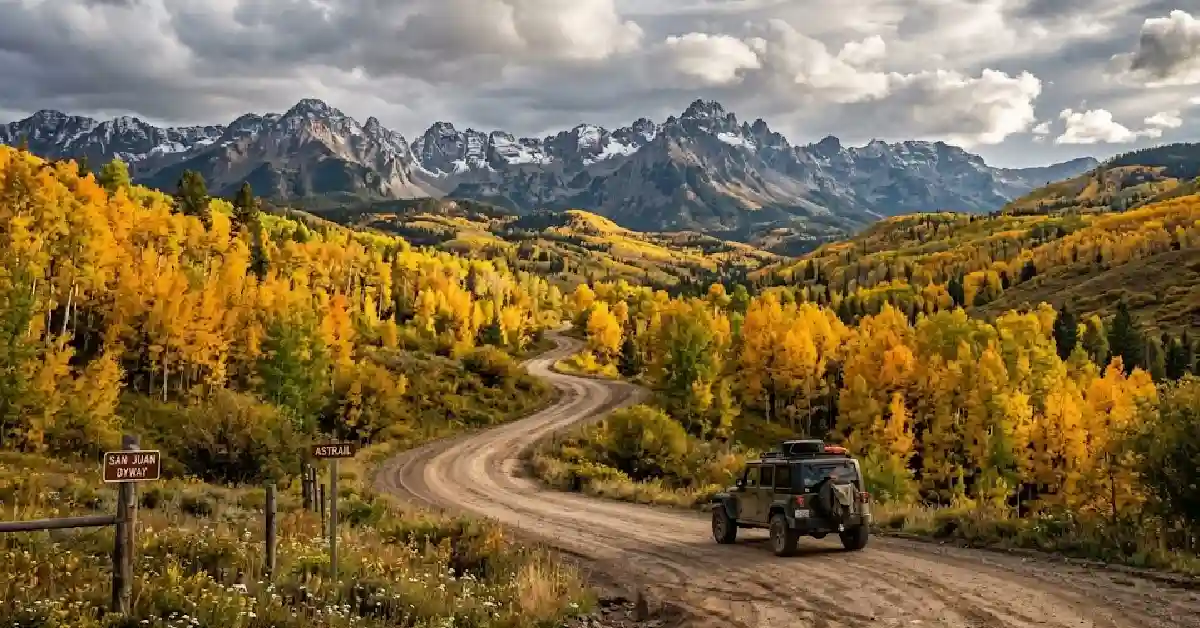
The Alpine Loop Scenic Byway begins right outside town – a rugged route over Cinnamon Pass and Engineer Pass, linking Lake City to Silverton and Ouray past ghost towns and old mining claims. Two miles south sits Lake San Cristobal, Colorado’s second-largest natural lake. A landslide dammed the Lake Fork of the Gunnison River roughly 850 years ago, and the lake never left.
Expert tip: Visit in late September. The aspen groves along the Alpine Loop turn gold almost overnight, and traffic thins out considerably compared to July.
2. Creede: A Mining Town Wedged Into a Box Canyon
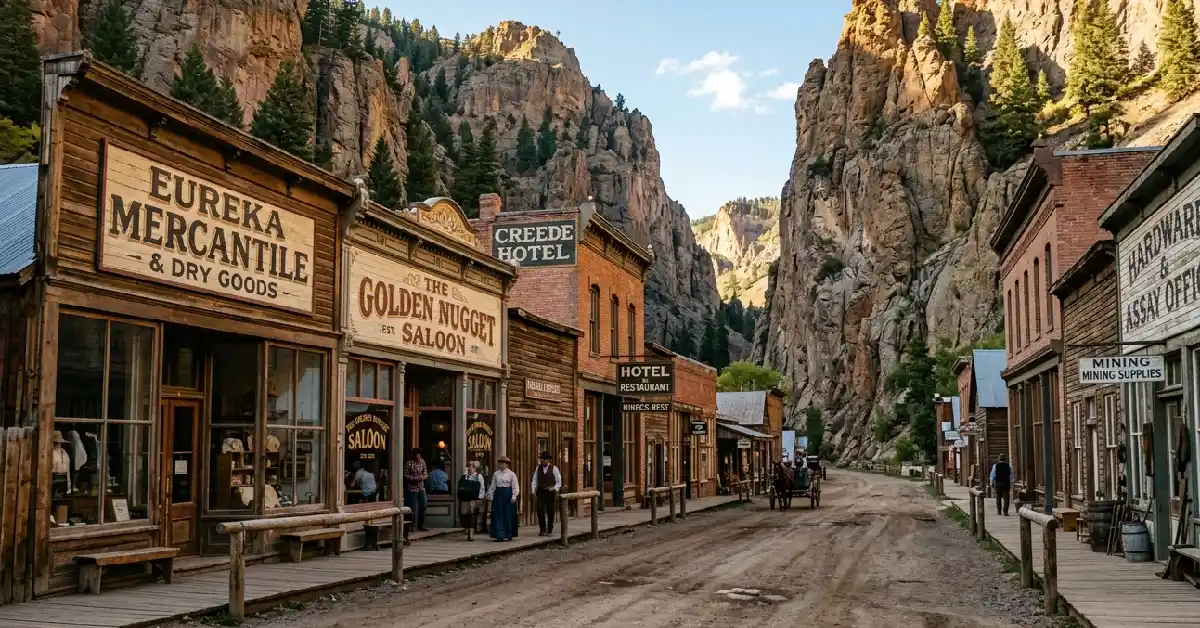
Cliff walls rise on three sides of Creede’s downtown, tucked into a literal box canyon. Year-round population: well under 300 – and yet the historic district carries the full weight of a 19th-century silver boom like it happened last year, not a hundred and forty years ago.
Things to Do in Creede
- Walk Main Street’s preserved storefronts, several dating to the 1890s
- Tour the Creede Underground Mining Museum, built directly into the canyon wall
- Catch a show at the Creede Repertory Theatre, a respected regional company that draws audiences from across the state
- Drive the Bachelor Loop, a self-guided backcountry route past abandoned mine sites
Creede belongs on any list of Colorado’s hidden small towns worth visiting for one simple reason: almost no one knows it’s there. Most traffic on Highway 149 drives straight past the turnoff without a second glance.
Must Read: Best Dark Sky Locations for Stargazing in America: 15 Certified Gems
3. Paonia: Wine Country You Didn’t Know Colorado Had
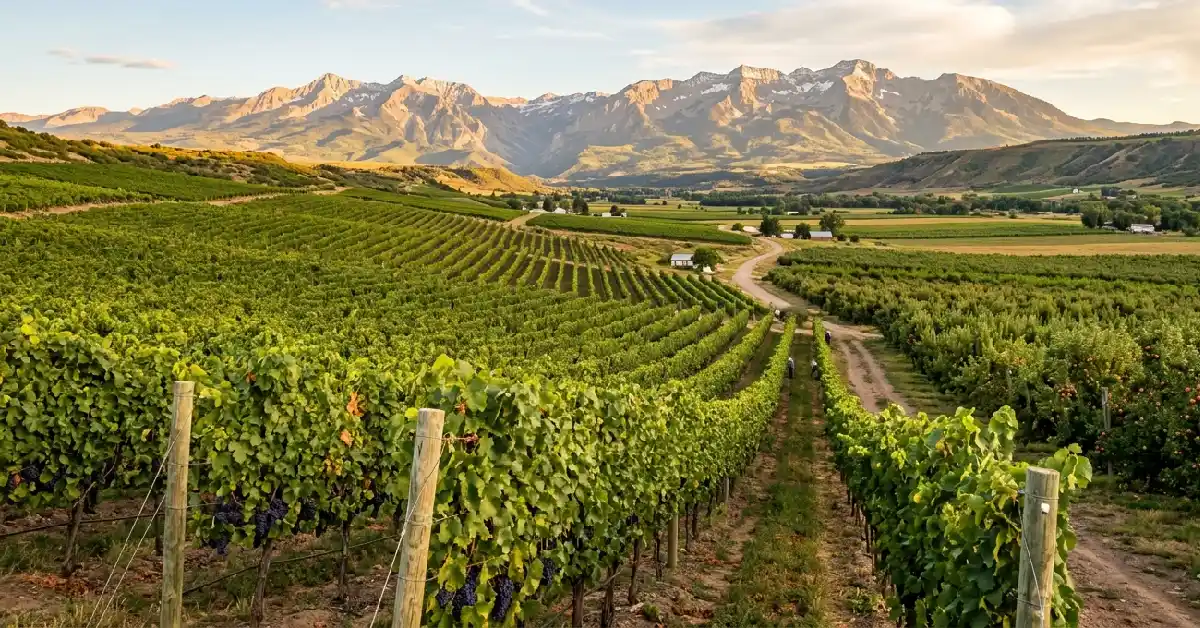
Tucked into the North Fork Valley on Colorado’s Western Slope, Paonia counts just under 1,500 year-round residents. Orchards, vineyards, a growing cluster of small wineries – that’s the identity here, built deliberately over decades rather than marketed into existence last summer.
Why Paonia Stands Out
High elevation and a long, dry growing season let the North Fork Valley produce a meaningful share of Colorado’s wine grapes. Stone Cottage Cellars and several neighboring wineries pour tastings without the lines you’d find in Palisade. And from late summer through fall, fruit stands appear along nearly every road, selling peaches, cherries, and apples grown a few miles from where you buy them.
Practical tip: Visit between late August and early October. That’s when fruit stands and wine tastings overlap.
4. Salida: Riverfront Charm Without the Crowds
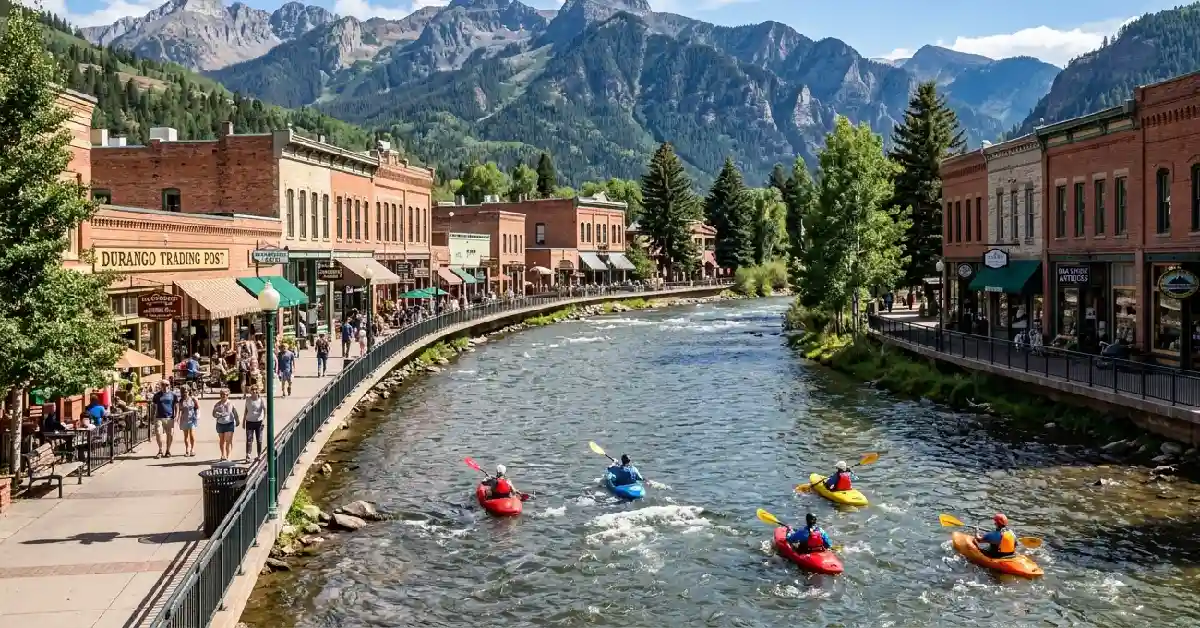
The Arkansas River cuts right past Salida’s historic downtown. One of Colorado’s largest National Historic Districts is packed into just a few walkable blocks here.
Salida’s Standout Features
- Whitewater rafting and kayaking directly through downtown via the Arkansas River
- A real arts scene, with working studios and galleries rather than tourist-trap shops
- Access to multiple fourteeners within a 45-minute drive
- A laid-back, lived-in feel that larger ski towns have largely lost
Must Read: Crystal Crane Hot Springs: The Complete Oregon Guide (Hours, Cost & Tips)
5. Ridgway: Western Movie History Meets Mountain Views
Tucked beneath the Sneffels Range, Ridgway earned a permanent place in film history as a filming location for True Grit, and self-guided walking tours now trace the original buildings used in the movie.
It doubles as a quieter, more affordable base for exploring Ouray and the Million Dollar Highway – same views, none of the peak-season price tag.
6. Manitou Springs: Mineral Water and Red Rock Trails
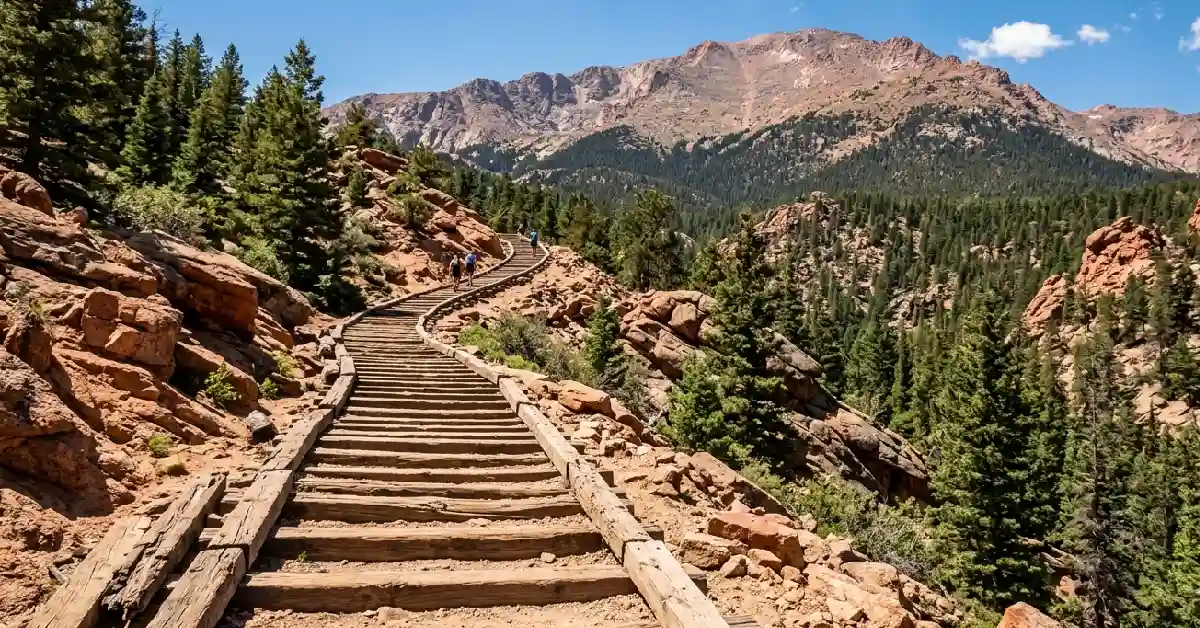
Manitou Springs built its reputation as a 19th-century mineral springs resort at the foot of Pikes Peak. Its public fountains still pour naturally carbonated spring water for free, each one carrying its own distinct mineral profile.
What to Do Nearby
- Walk Manitou Avenue, where historic buildings hold shops, galleries, and small bistros
- Hike the Manitou Incline, a 0.88-mile climb gaining roughly 2,000 vertical feet on the ties of a former funicular railway
- Explore Garden of the Gods, a short drive away, with red sandstone formations rising straight out of the prairie
7. Minturn: Ski Country’s Quiet Neighbor
Just 10 minutes from Vail, Minturn rarely gets the turnoff it deserves. Population around 1,000 – and it still holds onto a vintage ski-town feel that Vail itself outgrew decades ago.
An old railroad depot. Small-batch breweries. A lived-in, working-town character that the resort towns nearby have largely traded away for valet parking. For travelers who want Vail Valley access without Vail Valley pricing, it’s about as smart a base as Colorado offers.
8. Silverton: A Hidden Gem Hiding in Plain Sight
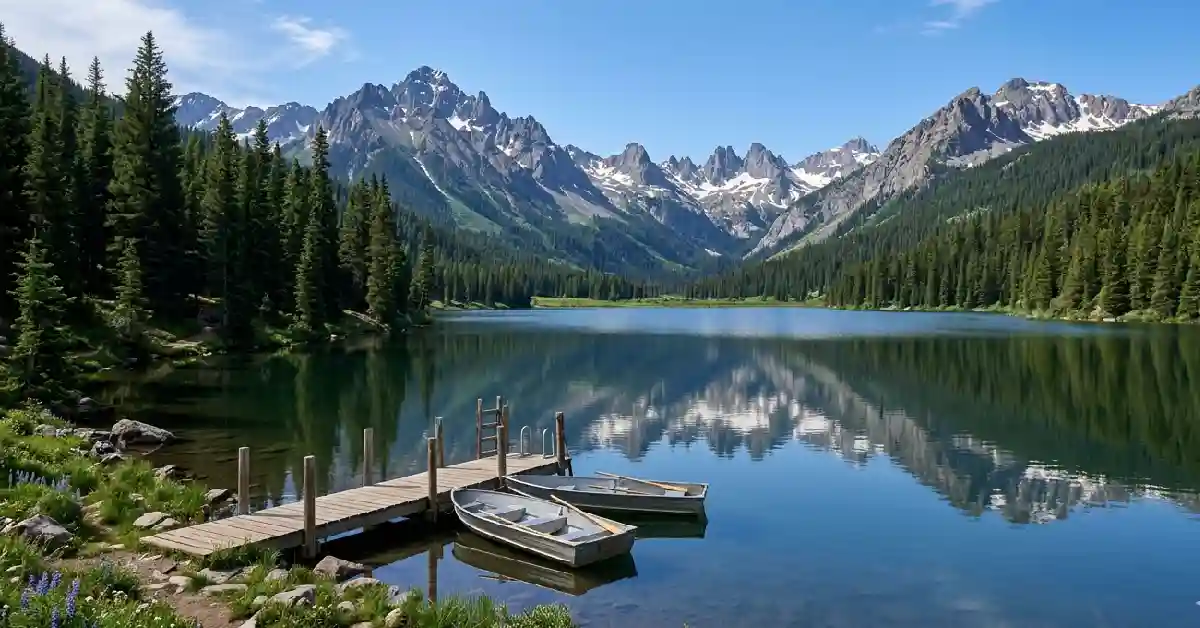
Buried deep in the San Juans at over 9,300 feet, Silverton’s remote location has kept it out of the spotlight – despite scenery that genuinely earns the word dramatic. The Ice Lakes Trail climbs to a series of glacial lakes with startlingly blue water. It’s a hard hike. It’s also one of Colorado’s best-kept hiking secrets, and winter only raises the stakes with serious backcountry skiing and ice climbing for anyone willing to make the drive.
Must Read: 5 Essential Tips for Using a Travel Planner New York City
9. Trinidad: Frontier History on the New Mexico Border
Near the Colorado-New Mexico border, right along the old Santa Fe Trail, Trinidad keeps a different kind of history alive. Brick-paved streets. Victorian architecture. A coal-mining and cattle-trail past that most travelers don’t associate with Colorado at all, let alone its southern plains.
How to Plan a Trip to Colorado’s Hidden Small Towns
A little planning goes a long way out here. Use these steps to keep the trip smooth.
- Book lodging early in shoulder season. Many of these towns have only a handful of inns or motels, and fall foliage weekends sell out fast.
- Fill your gas tank before you leave the highway. Lake City and Creede, in particular, have limited fuel options and nothing open 24 hours.
- Download offline maps. Cell coverage simply disappears in mountain passes like the Alpine Loop.
- Check seasonal closures. Engineer Pass and Cinnamon Pass typically close from October through May – plan around it.
- Pack for elevation. Most of these towns sit above 7,500 feet. Weather shifts fast up there, even in the middle of summer.
Pros and Cons of Visiting Colorado’s Small Towns
| Pros | Cons |
|---|---|
| Lower cost of lodging and dining | Fewer restaurant and shopping options |
| Authentic, uncrowded experience | Limited cell service in remote areas |
| Closer access to trailheads and rivers | Some businesses close in the off-season |
| Real local culture and history | Longer drive times between towns |
A Local’s Perspective
Longtime Colorado outdoor guides keep pointing to the same pattern: the towns worth visiting are usually the ones with the fewest hotel chains. No Marriott on Main Street, in other words, usually means a town that’s had to build its economy on something more durable than tourism volume – mining heritage, agriculture, real outdoor access. That’s what separates the hidden small towns in Colorado worth visiting from a typical resort stop. You’re not visiting a destination built for tourists. You’re visiting a town that simply happens to welcome them.
Conclusion
Colorado’s hidden small towns worth visiting prove the state’s best moments don’t always happen on a chairlift or in a five-star lobby. Sometimes they happen on a quiet Main Street in Creede, or beside Lake San Cristobal outside Lake City, or at a fruit stand in Paonia near the tail end of harvest season – small, unscheduled moments that no resort itinerary ever plans for you. Build at least one stop like that into your next trip. You’ll come home with a story a crowded resort town simply can’t give you.
Frequently Asked Questions
What are the best hidden small towns in Colorado worth visiting?
Lake City, Creede, Paonia, Salida, Ridgway, and Silverton top the list. Each one offers a different mix of history, scenery, and outdoor access – and none of them come with the crowds you’d find in Colorado’s bigger resort towns.
When is the best time to visit small towns in Colorado?
Late September, hands down, if fall foliage is the goal – the Alpine Loop especially. Prefer more open businesses and trail access? Aim for June through August instead.
Are these small Colorado towns accessible without a 4×4 vehicle?
The towns themselves, yes. The backcountry routes around them are a different story. The Alpine Loop’s high mountain passes require a high-clearance or 4×4 vehicle, and they close entirely through the winter months.
Is Lake City, Colorado, worth visiting?
Yes, easily. Between Lake San Cristobal, the Alpine Loop Scenic Byway, and the surrounding San Juan Mountains, there’s a lot packed into a town most travelers have never heard of – let alone visited.
What should I pack for visiting small mountain towns in Colorado?
Layers, first and foremost, since mountain weather shifts fast. After that: sun protection for high-altitude UV, a paper map or offline navigation app for the dead zones, and a full tank of gas before you leave the highway.