
These insights grew straight from real-world time on the ground. Expect to learn what actually makes a trip stick with you. You’ll see destinations that prove the point. And you’ll walk away with a solid plan to build experiences that go deeper than pretty pictures and empty checklists.
What “Beyond the Ordinary” Really Means
A quick side hike added to a beach holiday? Hardly adventure. Real adventure travel destinations demand more.
A genuine push beyond your comfort zone. Minimal crowds so you avoid fighting for views. And moments that unfold with their own surprising story — the kind no guidebook can promise.
The numbers back it up. Adventure tourism has grown faster than regular leisure travel for years now. The Adventure Travel Trade Association confirms this. People driving the surge want transformation, not just another vacation photo.
Why Standard Travel Often Falls Flat
Package tours prioritize getting you from point A to B efficiently. Memories? They’re secondary at best. You cover ground quickly. But most of it vanishes from mind soon after. Travel research keeps showing the same thing. Freshness paired with a bit of uncertainty creates stories that last for years. This is exactly why so many now seek off-the-beaten-path travel instead of following the crowd.
Destinations Built for Epic Adventures Beyond the Ordinary
Paris is absent. Bali too. Every spot here comes from personal visits or close work with operators who know the land firsthand.
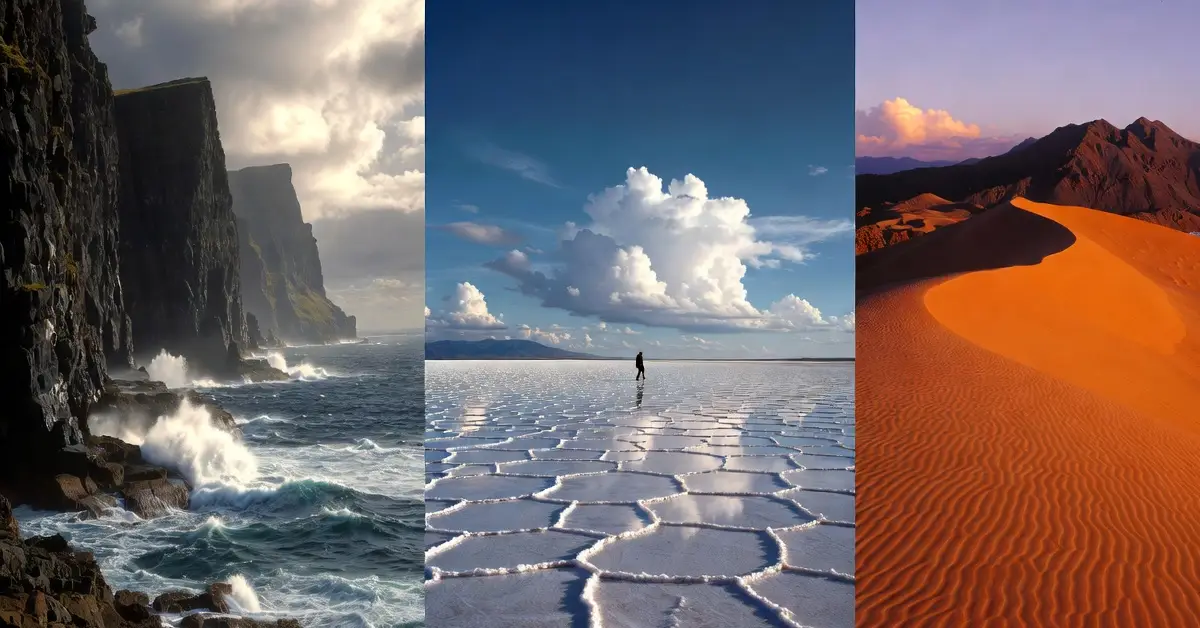
Faroe Islands, Denmark. Towering cliffs plunge into the sea. Sheep roam vivid green slopes. Tiny villages sit tucked in fjords. Summer crowds stay light. Hikers find peace without needing expert survival training.
Salar de Uyuni, Bolivia. Rain turns the vast salt flat into a perfect mirror. Sky and earth become one. Reaching it isn’t easy. Always use licensed operators. Sources like Lonely Planet help you avoid risky choices.
Socotra Island, Yemen. Dragon’s blood trees grow only here. The island feels like another planet. Specialized adventure tourism agencies are a must. Check current advisories before booking.
Kamchatka Peninsula, Russia. Volcanoes fill the skyline. Geysers bubble across the terrain. Infrastructure barely exists. This is off-the-beaten-path travel pushed to the limit. Guides, gear, and patience are non-negotiable.
Namib Desert, Namibia. Ancient, massive dunes rise dramatically. Sunrise hikes deliver stunning, uncrowded beauty. It stands out among the world’s best unique travel experiences.
Must Read: Solo Female Travel, Straight From Six Women Who Live It
Weighing the Benefits Against the Drawbacks
The upsides are clear. The challenges deserve attention too.
You return with real personal growth from navigating surprises. Memories stay sharp long-term. Local interactions feel genuine. Costs can actually be lower without tourist crowds inflating prices.
Yet you lose predictability. Weather turns. Flights get cancelled. Medical access stays limited. Preparation takes serious effort. Risk tolerance must rise. Insurance becomes essential. Language gaps and poor signals test your resilience.
Willing to accept some difficulty for greater payoff? This path fits. Need everything scheduled tightly? Ease into adventure travel slowly.
Building a Trip That Actually Delivers
Planning differs completely from resort getaways. Follow this sequence instead.
Step 1: Know Your Own Limits. Face your fitness, risk comfort, and discomfort threshold honestly. Good trips challenge without danger.
Step 2: Study the Season and Access Windows. Many unique travel experiences exist only briefly. Miss the window and the whole journey suffers.
Step 3: Work With Vetted Local Operators. International agencies often fall short. Local teams understand terrain, safety, and culture best. Start with Adventure Travel Trade Association directories.
Step 4: Pack With Backups in Mind. Extra batteries, water filters, medical supplies, offline maps — bring backups for anything critical.
Step 5: Leave Room for Delays. Weather, transport issues, altitude changes — they all steal time. Build in extra days.
Lessons Learned in the Field
Purchase insurance that covers evacuation. Standard policies often exclude it, yet remote adventure tourism requires full protection. Learn basic local phrases ahead of arrival. Small efforts open big doors. Choose guides from the community. Money stays local and experiences improve. Test all gear before departure. Document less. Being fully present matters more than perfect photos.
A Real Story From the Field
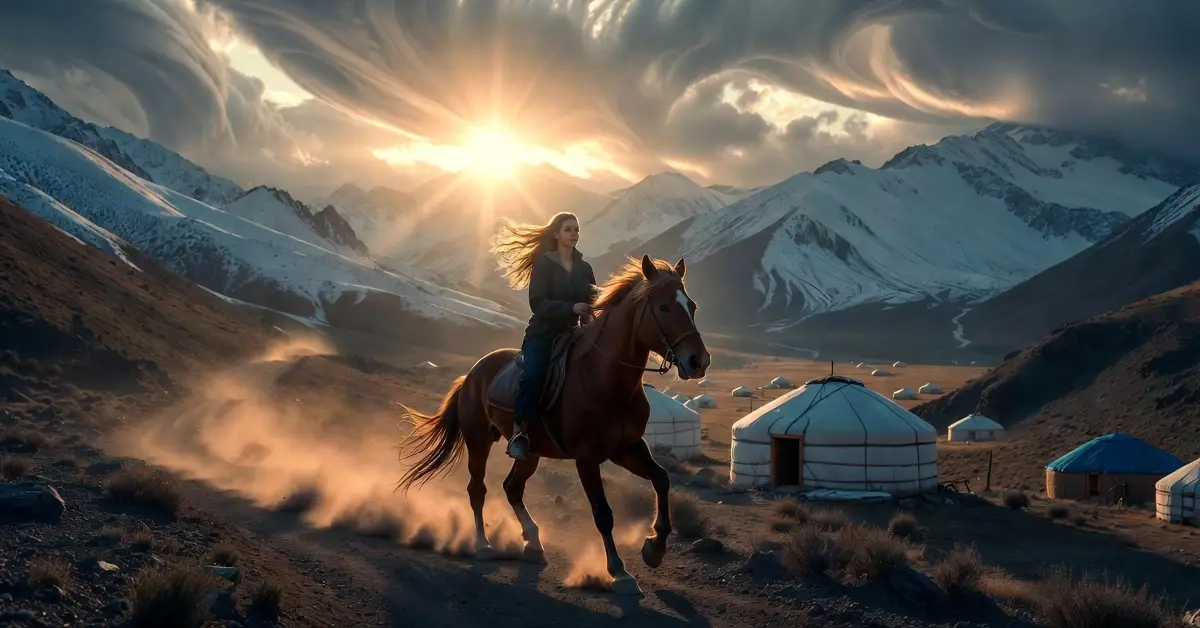
A Chicago marketing manager grew tired of repetitive cruises. She wanted to travel to epic adventures beyond the ordinary. We planned a horseback journey through Kyrgyzstan’s Tien Shan — yurt stays, minimal English, untouched nature.
Then a snowstorm hit. Two days of delay followed. What looked like a disaster became the trip’s most powerful bonding experience. She still talks about it as the highlight. Research shows this pattern again and again: unscheduled moments often create the strongest memories.
Mistakes That Quietly Wreck Adventure Trips
Overpacking the itinerary. Missing visas or permits. Skipping insurance. Assuming cell service everywhere. No buffer time in the schedule.
Correct these and you avoid most beginner pitfalls in bucket list travel.
Adventure Travel Should Also Be Responsible Travel
Fragile places and close communities can’t handle heavy traffic. Responsibility therefore matters deeply.
Pick operators with real environmental standards. Respect local customs and rules. Cut single-use plastics. Support community businesses directly.
These choices help preserve these special destinations for others.
Conclusion
Choosing travel to epic adventures beyond the ordinary was never about impressing anyone. The goal is simple: gather experiences rich enough to describe vividly years later. Start small if needed. A solid shorter trek beats an abandoned big plan. The places are waiting. Guides are ready. Your decision to begin is usually the only missing piece.
Frequently Asked Questions
1. What does it mean to travel to epic adventures beyond the ordinary? Selecting trips centered on challenge, quiet locations, and real surprises instead of standard sightseeing.
2. Is adventure travel more expensive than a typical vacation? Often cheaper in less-visited areas, though gear and insurance raise upfront costs.
3. How do I find trustworthy operators in remote areas? Use Adventure Travel Trade Association resources. Check recent reviews and confirm licensing.
4. Do I need elite fitness for adventure travel? No. Most experiences scale to different levels. Self-awareness is key.
5. What’s the biggest risk in adventure tourism? Poor preparation. Skipped insurance, bad timing, and missing permits create most problems.