
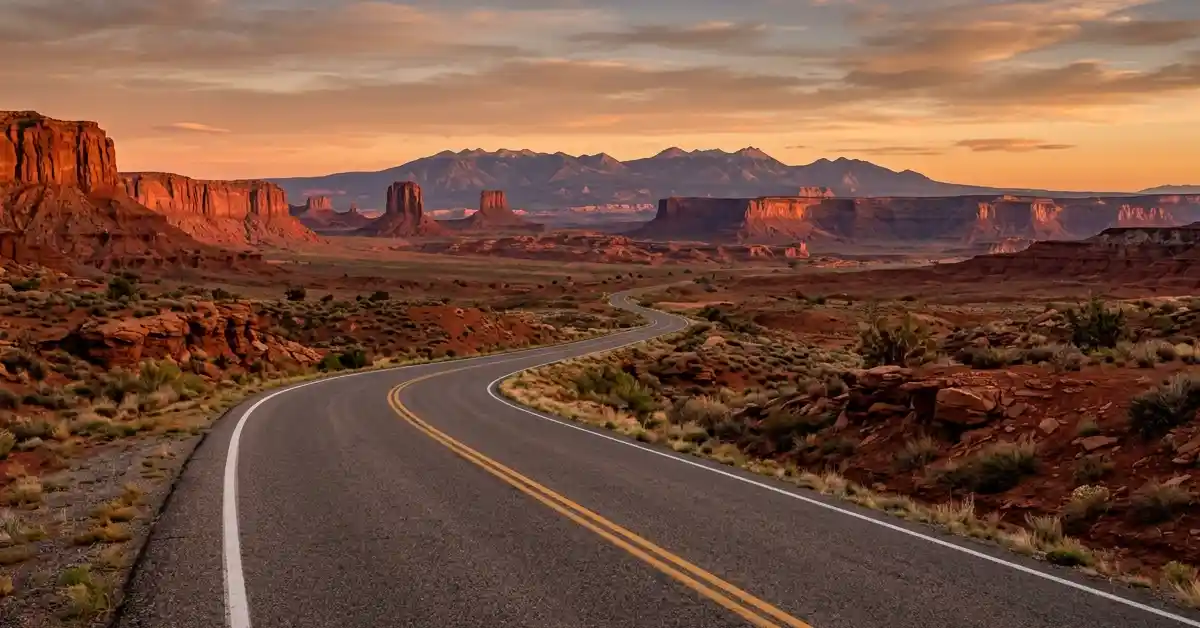
Most people plan a national parks road trip backwards. Famous names first, logistics later, that’s the usual order, and it rarely holds up once the trip actually starts. Across 63 national parks and more than 85 million acres of protected land, scenery was never the hard part. Routing is. Get the route wrong and two things happen: you lose vacation days to highway traffic, and somewhere down the line you discover a permit deadline you never knew existed.
Years of building cross-country itineraries have taught me one thing above all else, the parks collecting the most Instagram tags rarely reward the drive the way people expect. Sometimes the better find is quieter. An overlook nobody bothers to photograph. A diner along old Route 66 that’s fed truckers since decades before the interstate ever cut through.
Regional pairings that actually make sense. Seasonal timing, and why it matters more than most people assume. Where a Route 66 detour fits into the bigger plan. The unglamorous stuff too, permits, lodging, cell dead zones, because those details, more than scenery, decide whether the trip goes smoothly.
Why A National Parks Road Trip Beats Flying Between Destinations
A plane drops you at a park and that’s it, the journey ends there. The road between destinations, the part flying erases completely, is usually where a trip earns its best stories.
Driving wins in a few specific ways. No shuttle timetables to work around, no standing in a rental car line before sunrise, just your own pace. Zion, Bryce Canyon, and Grand Canyon sit close enough by highway that flying between any two of them burns half a day, sometimes closer to a full one. Then there’s everything a flight itinerary simply doesn’t include: scenic byways, state parks, national monuments scattered along the way, plenty of them worth an actual stop. And gear. Bikes, coolers, tents, a trunk holds all of it far more easily than an airline ever will.
Time is the cost. Real, and worth planning around. The Utah “Mighty Five”, Zion, Bryce Canyon, Capitol Reef, Arches, Canyonlands, comes out to roughly 1,000 round-trip miles from Las Vegas. A week, minimum. Ten days is better, if you actually want more than a windshield glance at each park.
Building Your Route: Regional Clusters That Actually Work
Nearly everyone makes the same mistake here, trying to squeeze parks from five different regions into a single trip. Don’t. Pick one area. Commit.
The Southwest Loop
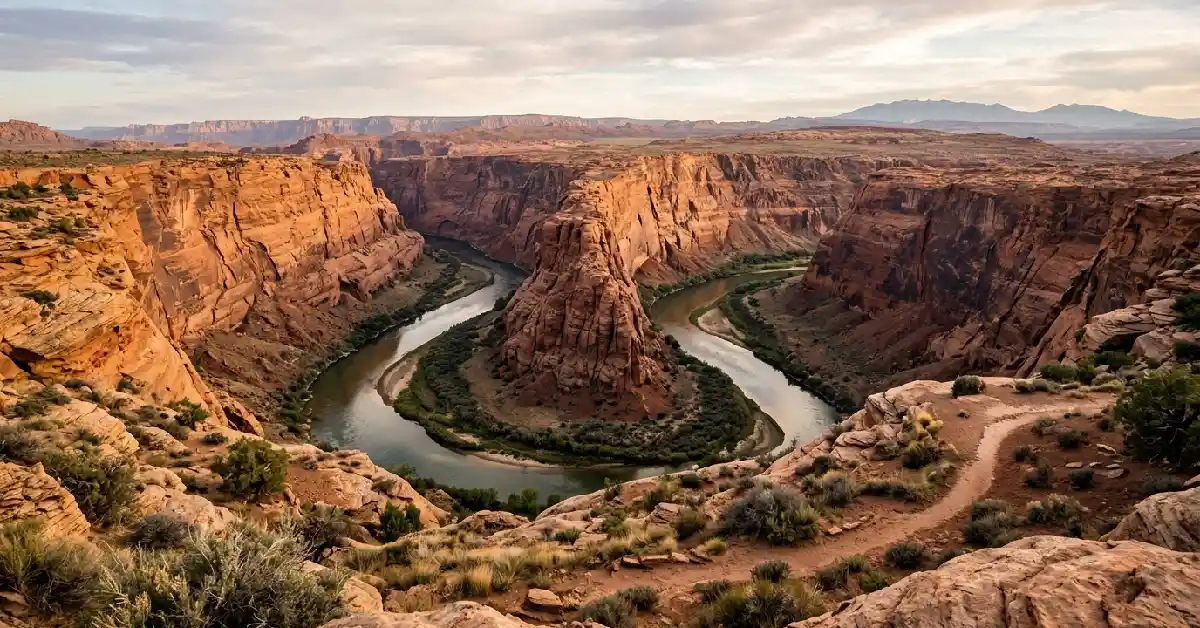
America’s most-driven national parks road trip, and it earns that title honestly. Launching from Las Vegas or Phoenix opens up a tight, connected route:
- Zion National Park (Utah)
- Bryce Canyon National Park (Utah)
- Grand Canyon National Park (Arizona)
- Optional: extend to Capitol Reef and Arches for the complete Utah “Mighty Five”
Three hours, max, between any two stops on this list, which means actual hiking time instead of hours lost to the highway.
The Northern Rockies Route
An hour, barely, separates Grand Teton from Yellowstone. That proximity alone anchors most Wyoming-Montana itineraries. Want more? Glacier National Park extends things nicely, though Going-to-the-Sun Road usually stays snowbound until early July.
The California Icons
Yosemite, Sequoia, and Kings Canyon link together through the Sierra Nevada without much trouble. Traveling somewhere cooler in the calendar? Death Valley makes for one striking detour.
The Pacific Northwest Circuit
Three landscapes, one loop. Rainforest at Olympic. Alpine peaks at Mount Rainier. Rugged, jagged wilderness at North Cascades. All of it within a few hours of Seattle.
Route 66: The Detour Worth Taking
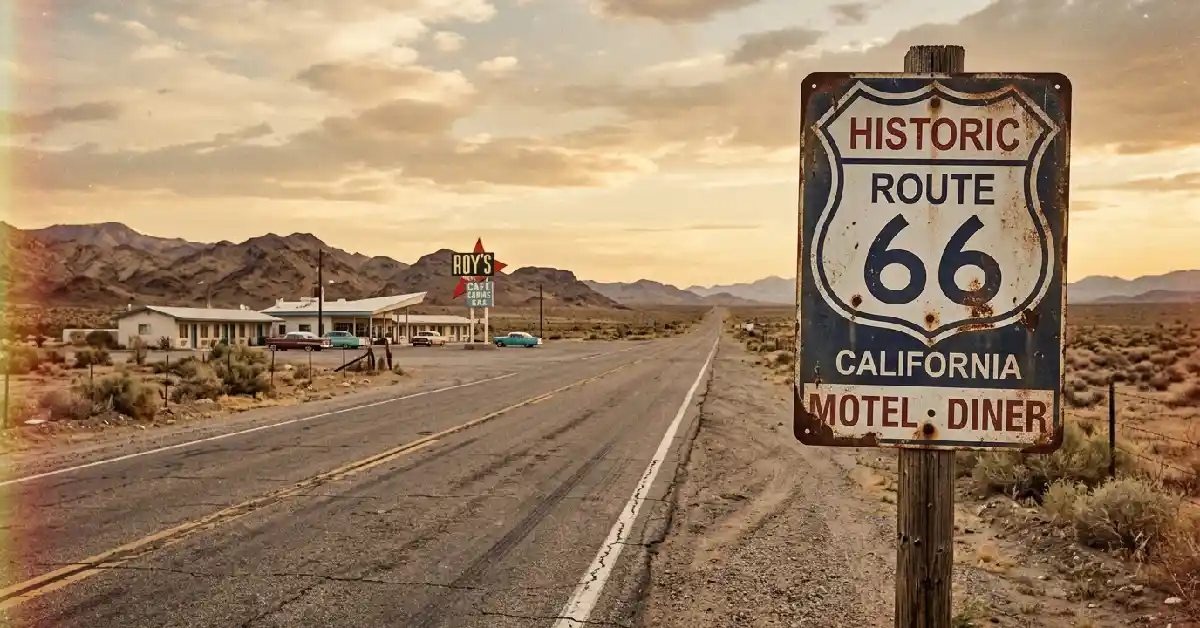
Route 66 is worth folding in if your national parks road trip already touches the Southwest or Midwest. The Mother Road spans roughly 2,400 miles from Chicago to Santa Monica. And 2026, as it happens, marks its 100th anniversary, landing right alongside the country’s 250th birthday, which has put the old highway back in the spotlight this year.
Nobody’s suggesting you drive the full length. A few ways it fits into a national parks itinerary instead:
- The Arizona stretch: runs right past the Grand Canyon’s South Rim entrance, an easy add for anyone doing the Southwest loop.
- The New Mexico stretch: Petrified Forest National Park sits directly on the historic alignment.
- The full Chicago-to-Santa-Monica run: save this one for its own dedicated trip, paired with a handful of parks and monuments rather than every roadside attraction along the way.
EV drivers, take note: you’re not shut out anymore. Charging stations along Route 66 have multiplied over the past couple of years, and an EV road trip down the Mother Road is now realistic, provided charger stops in the smaller towns get mapped out ahead of time.
Must Read: Why Second City Travel Is the Perfect Adventure for Women
When To Go: Timing Your Trip Around Weather And Crowds

Timing. Nothing shapes a national parks road trip more than it does.
Late spring, May into June, brings peak wildflowers and waterfalls running at full force, with most roads open, though a handful of high-elevation routes, Going-to-the-Sun Road included, might still be shut. Fall runs lighter: September and October mean thinner crowds, comfortable hiking weather, and fall color once you climb to higher elevations. Desert parks are a different story entirely in July and August, Zion and Grand Canyon routinely hit triple digits, and midday trails turn genuinely dangerous. Winter works too, within limits. Trail Ridge Road in Rocky Mountain, along with stretches of Yellowstone, closes down completely from late fall through spring.
Here’s something most newcomers never figure out until it’s too late: show up before 8 a.m. Zion, Arches, and similarly popular parks now run shuttle or timed-entry systems during peak season, but that barely matters. Lots fill by mid-morning regardless of the system in place.
Practical Planning Steps
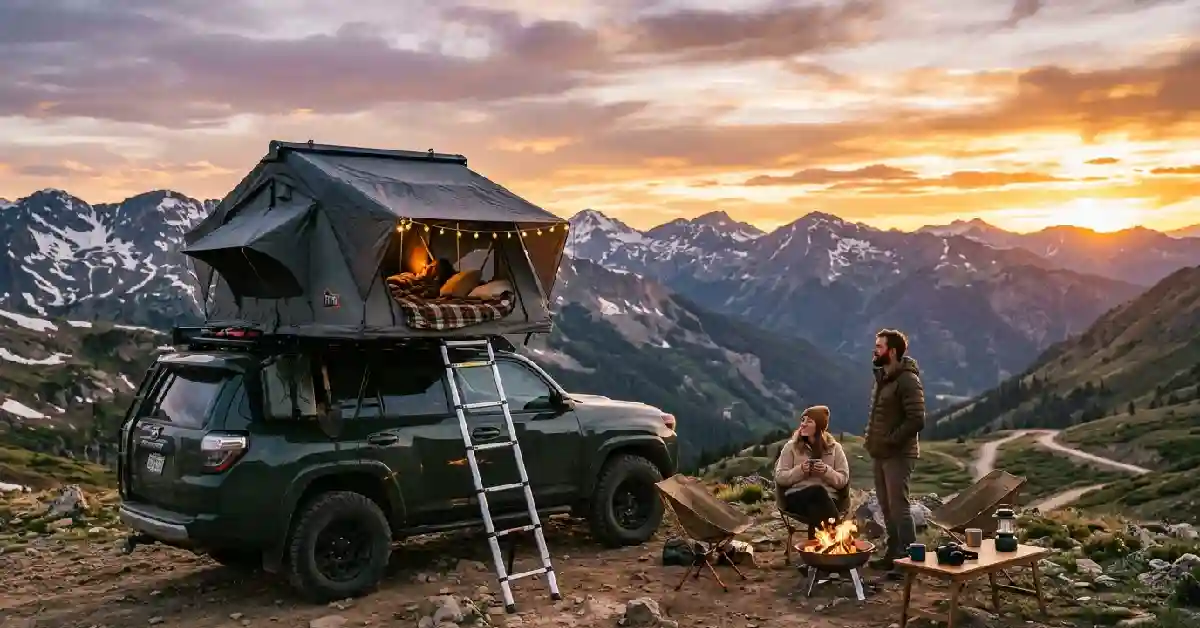
Seven things matter more than anything else once the route is set.
- Choose one region, skip the cross-country marathon. Three parks done properly beats six done in a blur.
- Lock in lodging before mapping the route. Gateway-town hotels and in-park lodges book out months in advance during peak season.
- Enter permit lotteries early. Half Dome in Yosemite, The Wave near Zion, both require entries submitted weeks or months ahead.
- Save offline maps before you leave. Cell coverage disappears almost the moment you cross into most parks.
- Pack for extremes, not averages. Desert temperatures can swing 40 degrees from noon to midnight.
- Grab an America the Beautiful annual pass once you’ve got three or more parks on the list, it covers the whole vehicle and pays for itself in a hurry.
- Leave one day with nothing scheduled. Wildfire smoke, road construction, sudden weather closures, any of these can derail a trip with zero flexibility built in.
Pros And Cons Of A National Parks Road Trip
In your favor:
- Full control over pacing and stops
- Usually cheaper than flying between separate regional airports
- Small towns and scenic byways that flight itineraries never touch
- Simpler to haul gear, bikes, coolers, camping supplies
Working against you:
- Some regional pairings mean long hauls (Yellowstone to Glacier runs past five hours)
- Fuel, vehicle wear, gateway-town lodging, the costs stack up
- Dead cell zones make on-the-fly replanning tough
- Many top parks and trails now require advance reservations, which cuts into spontaneity
An Expert’s Real-World Example
Grand Canyon, Zion, and Bryce Canyon in nine days out of Las Vegas, without rushing, that’s what one reader asked me to help plan. Turned out to be entirely doable. Two nights in Springdale, Zion’s gateway town. A full day devoted to Bryce. Two more nights near the Grand Canyon’s South Rim, capped off with a loop through Arizona’s Route 66 stretch for lunch in Williams, a Mother Road town where the 1950s storefronts are still intact.
The takeaway, one that repeats across trip after trip: leave room in the schedule. This particular group ran into a closed overlook road on their Grand Canyon day, no warning, purely weather. Since nothing was locked to a rigid hour-by-hour plan, they simply pivoted to Desert View instead. No wasted morning. No scrambling. Just a different view.
Frequently Asked Questions
How many days do you need for a national parks road trip? About a week to ten days for one regional cluster, such as the Southwest Loop. Covering several regions at once? Budget three to four weeks, cut it shorter and driving fatigue catches up quickly.
What is the best time of year for a national parks road trip? Generally late spring or early fall. That window brings open roads, comfortable temperatures, and fewer crowds. Desert parks like Zion and Grand Canyon, though, are best avoided in July and August thanks to extreme heat.
Do I need reservations to enter national parks? It depends on the park. Arches, along with parts of Yosemite and Glacier, run timed-entry systems during busy months. Rules shift from year to year, so it’s worth checking each park’s official site before departure.
Is Route 66 worth adding to a national parks itinerary? If your route already runs through Arizona or New Mexico, absolutely. The road passes directly by Petrified Forest National Park and near several Grand Canyon gateway towns, minimal detour, solid reward.
What’s the most common mistake people make planning a national parks road trip? Overreaching. Cramming five or six parks from different regions into one trip sounds efficient on paper but usually just means more hours behind the wheel than on the trail.
Final Thoughts
A national parks road trip rewards patience over ambition, without exception. Choose one region. Build in slack. Secure permits and lodging well ahead of time. And treat the road itself, Route 66 or any other stretch, as part of the experience, not just the distance separating your stops. The parks aren’t going anywhere. But whether you actually experience them, or just blow past them running on fumes, depends entirely on how carefully you planned the drive.