
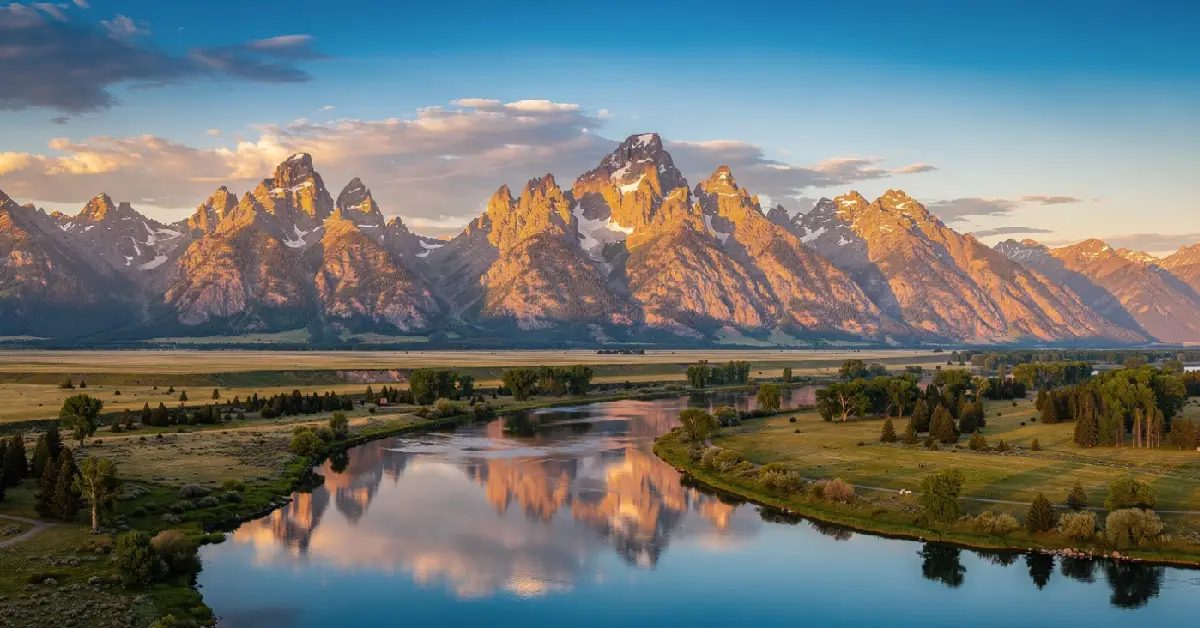
If you are searching for the best travel guide for Wyoming, you have probably already clicked through a dozen boring pages that say “visit Yellowstone” and leave it at that. This guide is different. It is written for real travelers who want real answers before they book anything.
Wyoming is one of those places that genuinely surprises people. First, it is the tenth largest state in the US. Second, it has fewer than 580,000 residents, which means fewer people live here than in many mid-sized cities. Third, it holds the world’s first national park, the world’s first national monument, and some of the most dramatic landscapes you will ever see in your life.
Furthermore, Wyoming is the kind of place that makes you feel genuinely alive. You are watching a geyser shoot boiling water 185 feet into the air, You are standing next to a bison that outweighs your car. You are driving for an hour without seeing a single traffic light, another vehicle, or a chain restaurant. That is exactly what makes Wyoming worth the trip.
As a result, this Wyoming travel guide covers everything from timing your visit and planning your route to budgeting honestly and staying safe. No fluff. No filler. Just the information you need to plan a trip you will actually remember.
Why Wyoming Travel Is Unlike Any Other US State Experience
Most travelers compare Wyoming to Colorado or Montana. However, Wyoming wins on several points that those states simply cannot match.
For example, Wyoming has lower crowds at equally impressive parks. In addition, it has lower prices during shoulder seasons. Moreover, the rawness here feels less polished and more genuinely wild than its neighbors.
Here is why Wyoming travel deserves your full attention:
- Wyoming holds two of America’s most iconic national parks: Yellowstone and Grand Teton
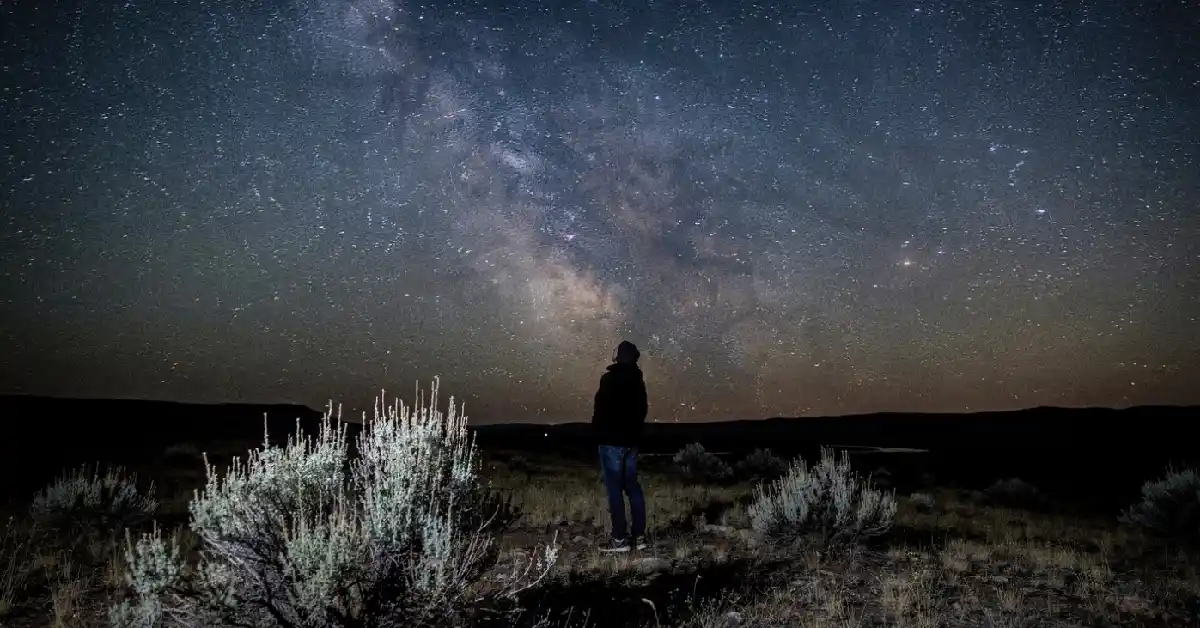
- It has the darkest skies in the lower 48 states, making stargazing genuinely life-changing
- Wildlife density rivals safari destinations, with wolves, grizzly bears, bison, moose, elk and golden eagles all regularly spotted
- Entry to Devils Tower, America’s first national monument, is included in your national park pass
- Additionally, Thermopolis has the world’s largest mineral hot spring, and the state bathhouse entry is completely free
Wyoming travel is perfect if you are:
- A nature lover who wants national park experiences without overwhelming crowds
- A couple looking for a romantic, almost cinematic road trip
- A solo traveler craving space, silence and real adventure
- A family that wants children to see wild America in its most natural form
On the other hand, Wyoming is not the right destination if you need rooftop bars, packed nightlife, or a Starbucks on every corner. Knowing this upfront saves you from the wrong expectations.
Related: Costa Rica Travel Guide for Families: What the Pretty Instagram Posts Don’t Tell You
Best Time to Visit: A Month-by-Month Wyoming Travel Guide
This is where most travel guides fail you completely. They say “summer is best” and move on. However, the real answer is more nuanced, and the best time to visit Wyoming depends entirely on what kind of experience you want.
Summer Wyoming Travel (June to August)
Summer is peak season for Wyoming travel. All park roads are open, weather is warm between 60 and 85 degrees Fahrenheit at lower elevations, and wildlife is active at dawn and dusk. This is, therefore, the best window for first-time visitors.
The catch is that Yellowstone receives nearly four million visitors annually, and approximately 70 percent of them arrive between June and August. Consequently, you need to book campsites six months in advance. The reservation window opens on October 1st for the following year, so plan accordingly.
Fall Wyoming Travel (September to October)
Fall is, in many ways, the best-kept secret in American travel. The elk rut happens in September, when hundreds of bull elk bugle at dawn across Grand Teton. Furthermore, the aspens turn gold, crowds drop by 40 percent, and prices follow. The photography light during this time is extraordinary.
If you have flexibility, therefore, come in late September. You will not regret the decision.
Spring Wyoming Travel (March to May)
Spring brings wildlife births across the region. Baby bison, baby bears and baby elk all make appearances. However, trails can be muddy or snow-covered well into May, and some roads inside Yellowstone do not open until late April or early May.
Pack layers, expect unpredictability, and bring waterproof boots.
Winter Wyoming Travel (November to February)
Most travelers skip Wyoming in winter. That is, however, a genuine mistake.
Jackson Hole ski resort is consistently ranked among the top ski destinations in North America. Additionally, Yellowstone’s interior closes to cars but opens to snowcoach tours and snowmobile adventures that make the park look like another planet entirely. Granite Hot Springs, located near Jackson, lets you soak in a natural hot spring at 20 degrees Fahrenheit while surrounded by snow. Entry is just six dollars.
Quick Reference Table:
| Month | Avg Temp (F) | Crowd Level | Best For |
|---|---|---|---|
| January to February | 15 to 35 | Very low | Skiing, hot springs, snowcoach |
| March to May | 30 to 60 | Low | Wildlife babies, wildflowers |
| June to August | 60 to 85 | Very high | Full park access, hiking |
| September to October | 40 to 70 | Moderate | Elk rut, fall colors, photography |
| November to December | 20 to 45 | Low | Skiing, budget travel |
Top Places to Visit in Wyoming
This Wyoming travel guide organizes the top destinations by what they offer, so you can match them to your interests instead of simply visiting in geographic order.
Yellowstone National Park: The Core of Every Wyoming Travel Guide
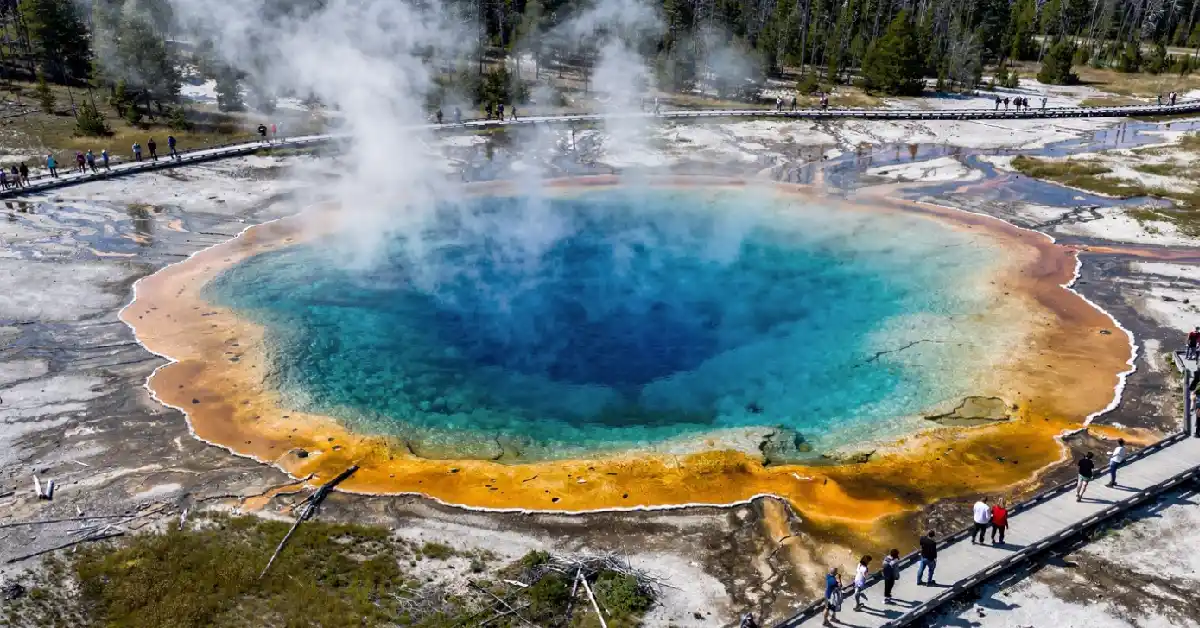
Yellowstone is the reason most people discover Wyoming travel in the first place. It sits on top of one of the world’s largest active supervolcanoes, which is precisely why the ground here hisses, bubbles and erupts with geothermal energy.
The Grand Prismatic Spring looks like something NASA would photograph on another planet. Old Faithful erupts every 90 minutes on average. In fact, Lamar Valley, located in the northeast section of the park, is often called America’s Serengeti by wildlife biologists. Wake up at 5am, drive slowly through Lamar, and you will likely spot bison, wolves and bears within the same morning.
Insider tip: Skip the congested South Entrance and enter via the East Entrance through Cody or the Northeast Entrance through Cooke City. Both routes are significantly less crowded.
Grand Teton National Park: The Visual Highlight of Wyoming Travel
Located just 10 miles south of Yellowstone, Grand Teton National Park is what Wyoming looks like on a postcard. The Teton Range rises with no foothills whatsoever. Instead, it goes from flat valley floor to 13,775 feet of jagged granite almost instantly.
Mormon Row is one of the most photographed locations in Wyoming travel. Historic homestead barns from the 19th century stand with the Tetons as their backdrop. Specifically, the sunrise light here between 6am and 8am is the best photography window of the day.
The Cascade Canyon Trail from Jenny Lake is the best moderate hike in the park. The views stop you mid-step, Grand Teton trail maps and hours.
Jackson Hole Wyoming: The Gateway Town for Wyoming Travel
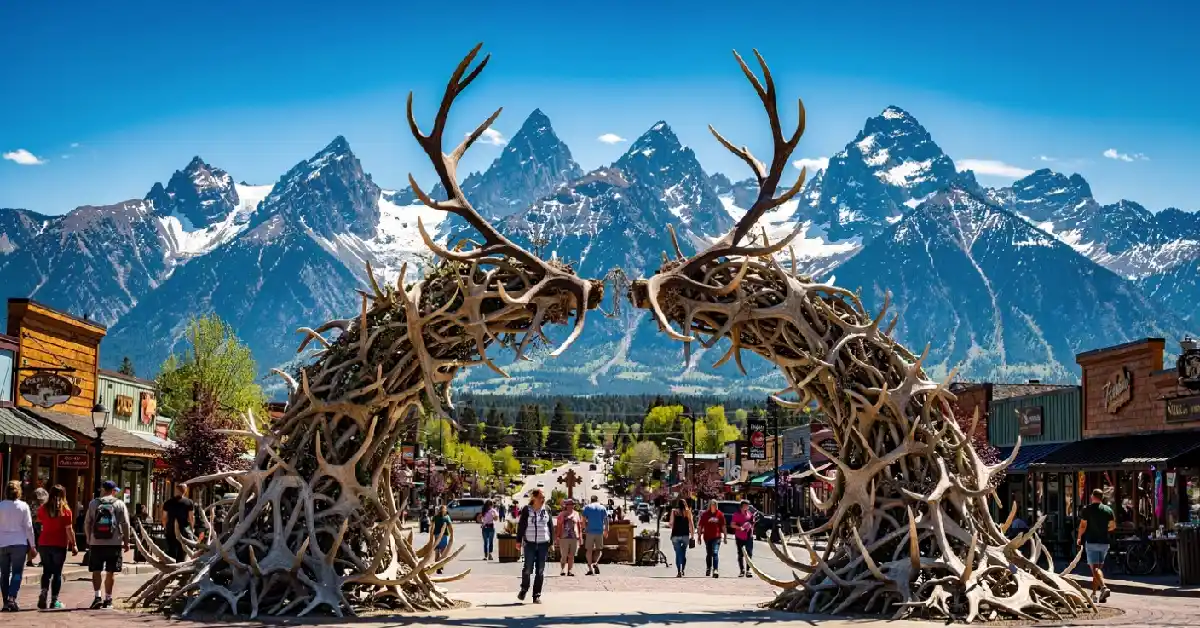
Jackson Hole is the town that makes Wyoming feel slightly civilized. The Town Square has antler arches made from 75,000 elk antlers. There are good restaurants, respected art galleries, and a bar called the Million Dollar Cowboy Bar that has saddles as bar stools.
Jackson Hole serves as the ideal base for your Wyoming travel plans. It puts you 15 minutes from Grand Teton and about one hour from the South Entrance of Yellowstone. Moreover, Jackson Hole Airport is the only commercial airport inside a national park in the United States, which makes it a genuinely convenient entry point.
Cody Wyoming: The Western Soul of Your Wyoming Travel Experience
Cody is named after Buffalo Bill and built for people who love the American West without apology.
The Buffalo Bill Center of the West is one of the best museum complexes in the United States. It includes five museums covering western art, natural history, Native American culture and the life of Buffalo Bill. Furthermore, Cody hosts rodeos every single night from June through August. These are not tourist performances. They are the real thing.
Devils Tower: The Unexpected Highlight of Wyoming Travel
In the northeast corner of the state, Devils Tower rises 867 feet straight out of a flat Wyoming plain. It is sacred to multiple Native American tribes, a world-famous rock climbing destination, and the filming location for Steven Spielberg’s Close Encounters of the Third Kind.
Allow half a day for a visit. The 1.3-mile walking trail around the base is flat, beautiful and covered by your national park pass.
Things to Do in Wyoming: Hidden Gems This Wyoming Travel Guide Recommends
Beyond the famous parks, Wyoming travel has several experiences that most guides overlook entirely.
Fossil hunting at Fossil Butte National Monument: Wyoming was once an inland sea. At Fossil Butte, you can see fish fossils that are 52 million years old. Some sites allow supervised public digs, which is an experience unlike anything else available in American travel.
Stargazing near Dubois or Pinedale: Wyoming has less light pollution than any other state in the lower 48. As a result, the Milky Way is visible to the naked eye on clear nights. Drive 10 minutes outside any small town, lie on the ground, and look up. Your phone camera will not capture it accurately, so just use your eyes.
Soaking in Thermopolis: Hot Springs State Park holds the world’s largest mineral hot spring. The state bathhouse admission is completely free. The water comes out of the ground at 135 degrees Fahrenheit and pools at a comfortable soaking temperature.
A dude ranch stay: This is Wyoming in its most authentic form. You ride horses across open range, eat real cowboy food, and sleep in a log cabin. Costs typically range from 200 to 600 dollars per night and usually include meals, horses and activities.
Wyoming Road Trip Planning: Day-by-Day Itinerary
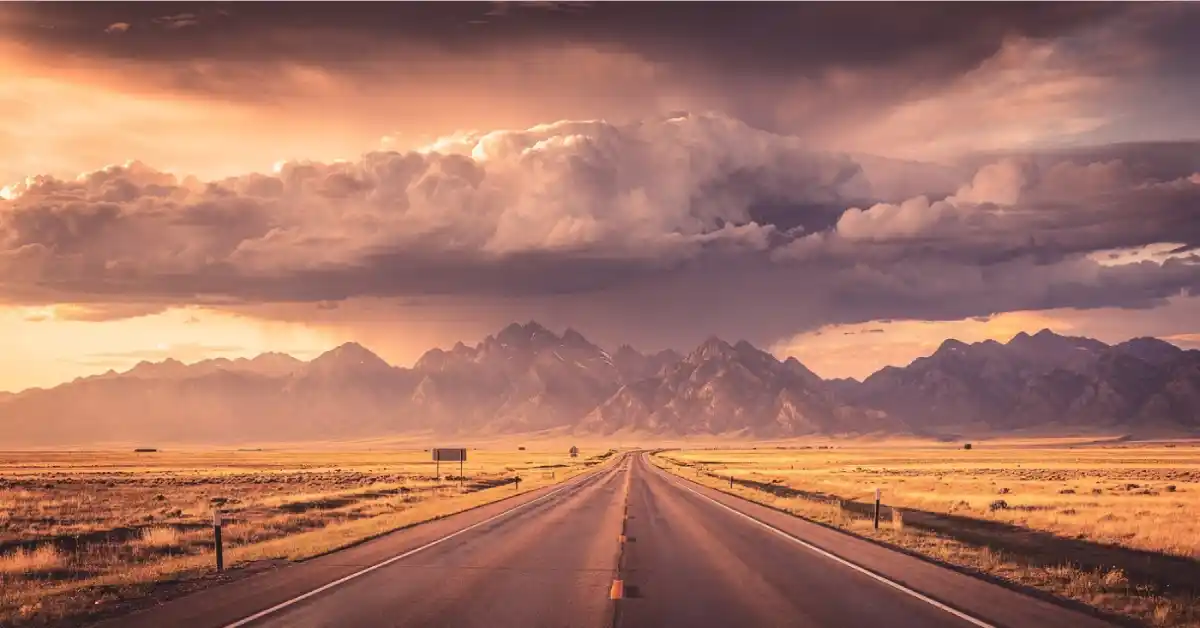
The most common Wyoming travel mistake is trying to see everything at once. Wyoming punishes that approach. The state is bigger than the entire United Kingdom, so distances between attractions are significant.
Instead, pick one route and go deep. This seven-day Wyoming road trip covers the highlights without rushing.
Day 1: Arrive at Jackson Hole Airport. Settle into your accommodation. Walk the Town Square and eat dinner at a local restaurant.
Day 2: Grand Teton National Park. Start at Mormon Row for sunrise. Hike Cascade Canyon from Jenny Lake. End at Oxbow Bend for sunset reflections on Mount Moran.
Day 3: Drive north through Grand Teton into Yellowstone via the South Entrance. Visit Old Faithful, Grand Prismatic Spring and Midway Geyser Basin.
Day 4: Yellowstone’s northern section. Visit the Grand Canyon of the Yellowstone, Artist Point and Tower Falls.
Day 5: Set your alarm for 5am and spend the morning slowly driving Lamar Valley for wildlife. Afternoon, visit Mammoth Hot Springs terraces.
Day 6: Drive east to Cody. Spend three to four hours at the Buffalo Bill Center of the West. Attend the Cody Nite Rodeo in the evening.
Day 7: Drive the Beartooth Highway if visiting between June and September. It is consistently ranked among the most scenic drives in North America. Return to Jackson Hole for your flight.
This route covers approximately 600 miles total and is therefore very manageable over seven days.
Wyoming Travel Budget: Honest Costs From This Travel Guide
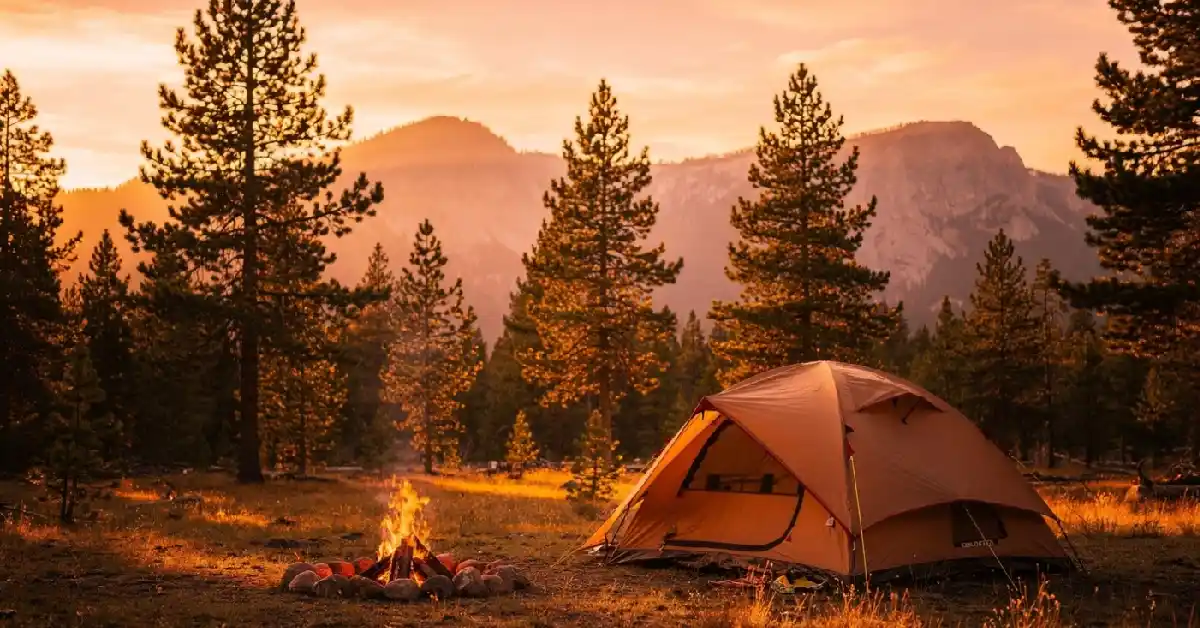
Nobody puts actual numbers in travel guides. Therefore, here are real ones based on 2026 prices.
Budget Wyoming Travel: 75 to 120 Dollars Per Day
- Camp inside Yellowstone or Grand Teton at 20 to 35 dollars per night
- Cook your own food with a portable camp stove
- Buy the America the Beautiful Annual Pass for 80 dollars. It covers all national parks and pays for itself on the first day
- Skip guided tours. Self-driving Wyoming is completely viable and rewarding
Mid-Range Wyoming Travel: 180 to 300 Dollars Per Day
- Motels or budget hotels in gateway towns like Gardiner, West Yellowstone or Cody cost 100 to 160 dollars per night
- Eat at local diners where breakfast runs about 12 dollars and dinner costs 20 to 35 dollars
- Include one or two guided experiences such as a half-day rafting trip at 65 to 85 dollars per person
Luxury Wyoming Travel: 400 to 700 Dollars Per Day
- Jackson Hole lodges and boutique hotels range from 250 to 500 dollars per night
- Fine dining in Jackson Hole typically costs 50 to 100 dollars per person
- Helicopter tours, private wildlife guides and dude ranch packages are all available at premium rates
Money-saving tip: The America the Beautiful Pass costs 80 dollars for the entire year and covers Yellowstone’s 35-dollar entry fee plus Grand Teton’s 35-dollar entry fee. That is 70 dollars recovered immediately. Additionally, free entry days at national parks happen several times annually, so check the National Park Service website before you book.
Wyoming Safety Tips Every Wyoming Travel Guide Should Include
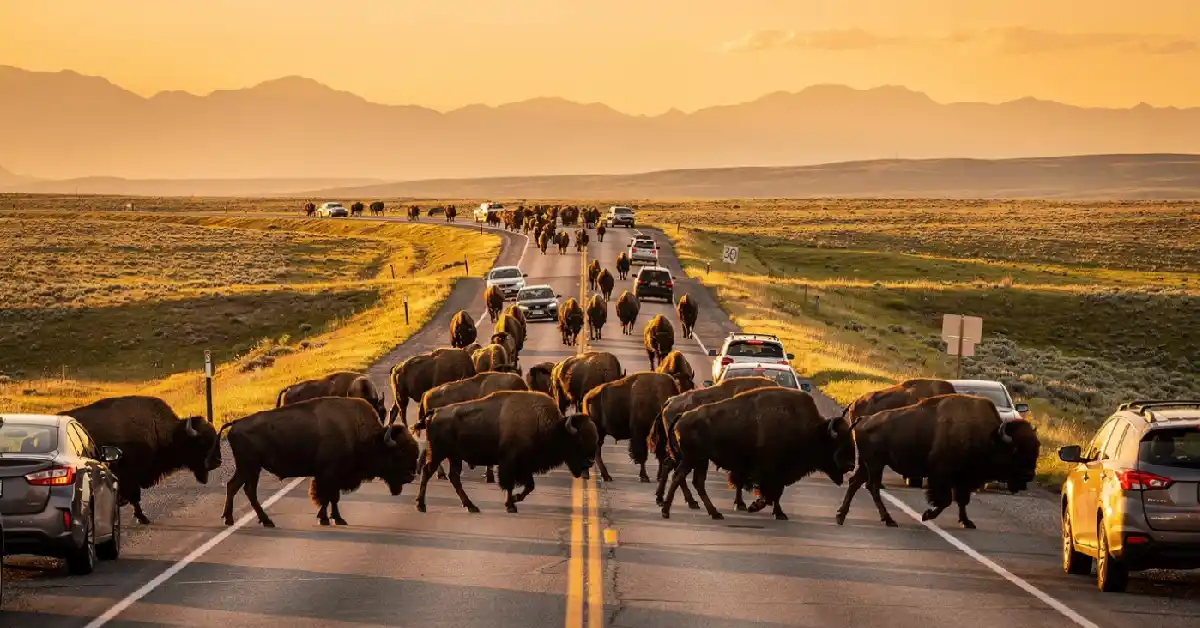
Wildlife safety is not optional. Stay 100 yards from bears and wolves at all times. Stay 25 yards from all other wildlife, including bison. Bison kill more Yellowstone visitors annually than bears do, primarily because tourists assume they look slow and friendly. They are neither.
Carry bear spray if you hike in the backcountry. Keep it on your hip, not buried in your pack. Practice reaching for it before you need it.
Altitude adjustment takes time. Most of Wyoming sits above 6,000 feet, and some areas exceed 10,000 feet. If you are traveling from a low-altitude location, drink double your normal water intake for the first 48 hours. Headaches and fatigue are common and temporary.
Weather changes fast. Even in July, afternoon thunderstorms appear without warning at higher elevations. If you are above the treeline and see storm clouds building, descend immediately. Hypothermia is a genuine risk even in August.
Cell coverage is limited. Download offline Google Maps before entering any park. Tell someone your hiking plan. Carry a portable charger and a paper map as backup.
Wyoming Packing List: What to Bring According to This Wyoming Travel Guide
Essentials for any season:
- Layered clothing, because temperatures can swing 40 degrees Fahrenheit within a single day
- Waterproof jacket and pants
- Sturdy, broken-in hiking boots
- Binoculars, since wildlife is often observed from a distance
- Bear spray if hiking in backcountry areas
- Reusable water bottle holding at least one liter
- Offline maps downloaded before arrival
- Sunscreen with high SPF, as UV intensity increases significantly at altitude
Summer additions: Insect repellent, a wide-brim hat, and a packable down jacket for evenings at higher elevations.
Winter additions: Thermal base layers, hand warmers, ice cleats for boots, and tire chains or cables for your rental vehicle.
Conclusion: Why This Wyoming Travel Guide Recommends Going Sooner Than Later
Wyoming does not need to be oversold. It sells itself the moment you watch sunrise paint the Tetons pink, hear a wolf howl echo across Lamar Valley before anyone else is awake, or stand in front of Old Faithful and feel the heat on your face.
This best travel guide for Wyoming has tried to give you one thing most travel content avoids: honesty. Real costs, real timelines, real safety warnings and real food recommendations from someone who understands what travelers actually need to know.
To summarize: plan well, arrive early, book campsites and popular accommodations months in advance, and stay longer than you initially planned.
Ultimately, Wyoming rewards the travelers who give it their full attention. And as a final note, the best version of this trip is the one where you put your phone down for at least a few hours each day and simply look at what is in front of you.
Very few places in the world deserve that kind of attention. Wyoming is one of them.
FAQ About Wyoming Travel
What is the best travel guide for Wyoming for first-time visitors?
First-time visitors should focus on Yellowstone and Grand Teton National Parks with Jackson Hole as their base. Plan for a minimum of seven days, book accommodation and campsites well in advance, and buy the America the Beautiful Annual Pass to cover park entry fees.
What is the best time to visit Wyoming?
Late June through early September works best for first-timers because all park roads are open and weather is reliable. However, late September through October offers fewer crowds, lower prices, fall colors and the spectacular elk rut in Grand Teton.
How many days do you need in Wyoming?
Seven days is the ideal length for covering Yellowstone, Grand Teton and Jackson Hole without rushing. Plan for 10 to 14 days if you also want to visit Cody, Devils Tower or Wind River Country.
Is Wyoming expensive to visit?
Wyoming travel can be done on a range of budgets. Budget travelers can manage 80 to 100 dollars per day with camping and self-catering. The 80-dollar America the Beautiful Annual Pass covers all national park entry fees and saves money immediately.
Do you need a car to visit Wyoming?
Yes, a car is essential for Wyoming travel. There is no meaningful public transportation across the state. A rental car, preferably an SUV or AWD vehicle, is necessary. Additionally, keep your gas tank above half at all times because gas stations can be 50 to 60 miles apart in rural areas.