
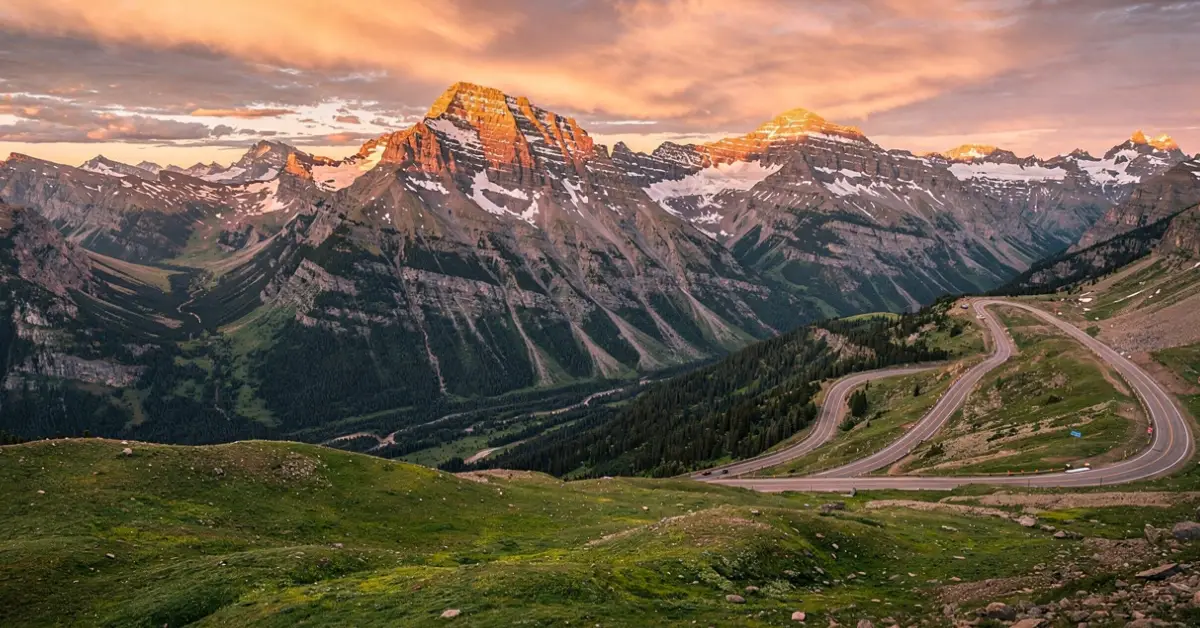
Let’s be honest, Colorado doesn’t really need more praise. The state already knows it’s beautiful. But Rocky Mountain National Park hits differently, even by Colorado standards.
More than three million people visit every year, according to the NPS. The park has been open since January 26, 1915, covers over 415 square miles, and still somehow manages to surprise you around corners you’ve already turned twice. That’s a rare thing.
This guide is for people who want to actually experience it nps.gov/romo not just tick it off a list and head back to the hotel by noon.
Hidden Spots in Rocky Mountain National Park Worth Exploring
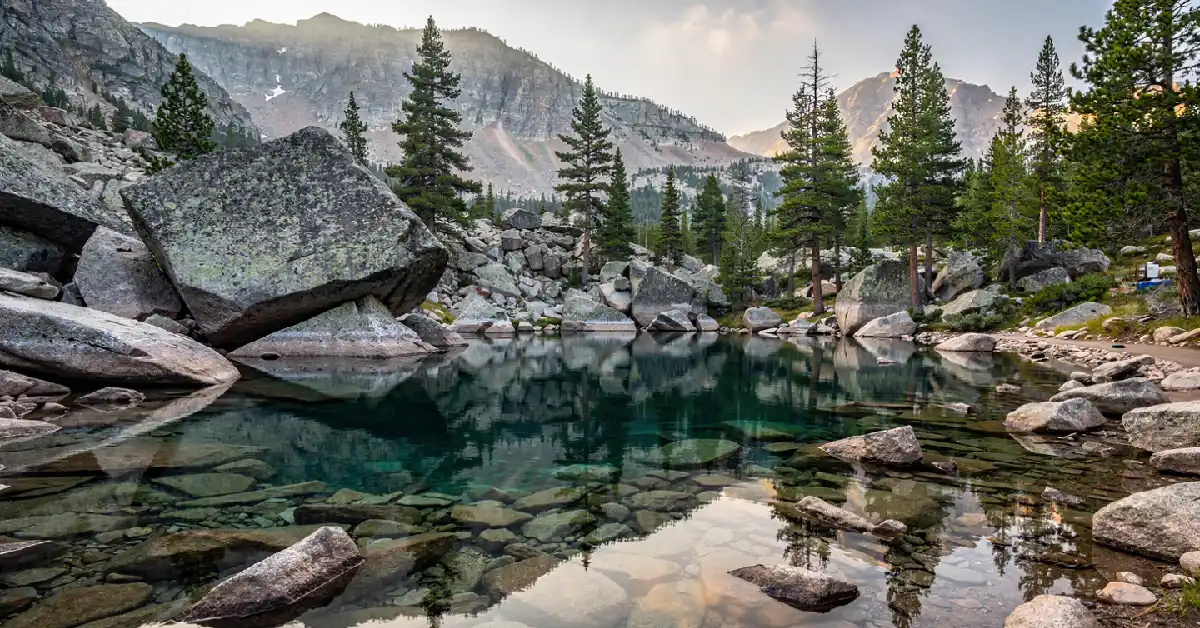
Bear Lake gets all the attention. And yeah, it’s pretty. But if that’s all you see, you’ve basically flown to Paris and only visited the airport gift shop.
Gem Lake Trail is the one locals quietly mention and then immediately regret telling you about. It sits in the Lumpy Ridge area, runs about 3.4 miles round trip, and ends at a granite-pooled lake at 8,830 feet. The trail isn’t brutal, just honest. You earn the view, and the view pays you back.
Cub Lake is a different vibe entirely. The 2.3-mile trail wanders through open meadows where wildflowers grow in patches so dense they look almost staged. Go early. Like, embarrassingly early. That’s when the moose show up.
Then there’s the Kawuneeche Valley on the park’s western side, near Grand Lake. Most people don’t bother driving over there because the eastern entrance is closer to Estes Park. Their loss. The NPS has documented significantly lower visitor numbers on this side, and the moose density makes it worth every extra mile.
What Nobody Tells You Before Your First Visit
The permit situation catches people off guard every single year. During peak season, late May through mid-October, you need a Timed Entry Permit just to enter certain areas. The park rolled this out in 2020 and kept it going. Book on recreation.gov and don’t procrastinate. Permits have sold out in under ten minutes on busy release days.
Get in before 9 AM or show up after 3 PM. This isn’t vague travel advice, the NPS says it directly on their website. The midday window is when parking turns into a contact sport.
Download your maps offline before you leave the hotel. Cell service inside the park ranges from patchy to nonexistent, and discovering that mid-trail is not the adventure you were hoping for.
One more thing that doesn’t get said enough, altitude will humble you fast. The park spans 7,860 feet at the low end and 14,259 feet at Longs Peak. Drink more water than feels necessary, lay off the beer for the first night, and don’t be embarrassed about slowing down. Everyone does.
Best Time to Visit Rocky Mountain National Park for Wildlife
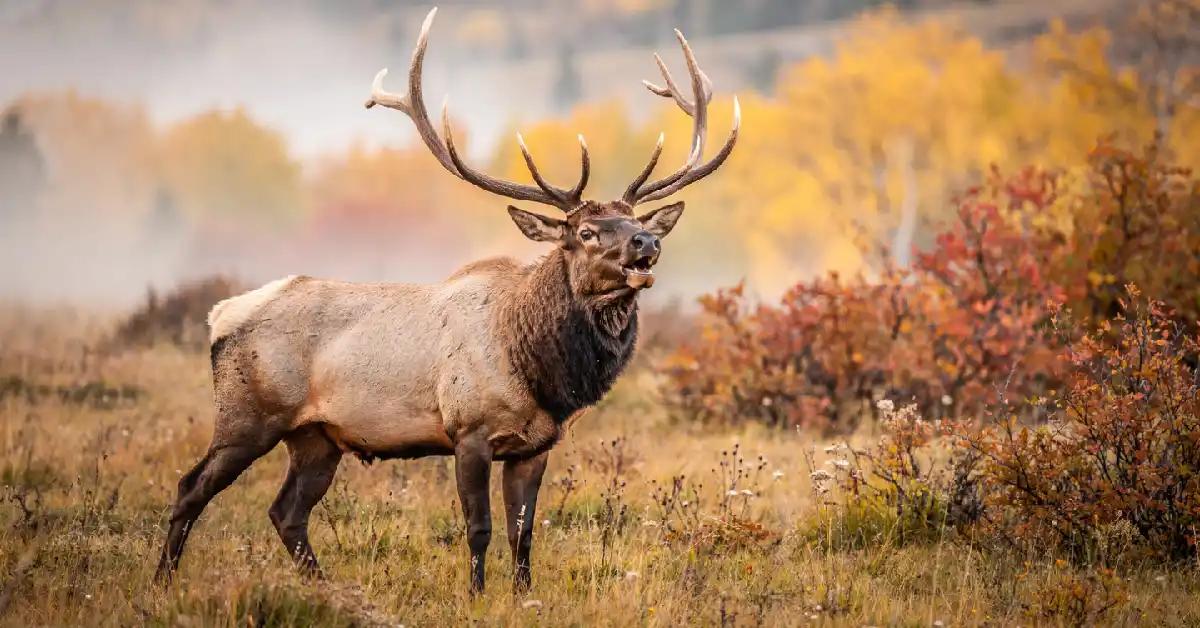
September is the answer. Full stop.
Elk rut season runs through September into early October, and it’s one of those things you genuinely can’t prepare yourself for. Bull elk bugling across Moraine Park at dawn, it sounds prehistoric. The NPS recommends Horseshoe Park and Moraine Park as prime spots, and they’re right.
Summer mornings work well too, especially June through August if you’re after moose. The Kawuneeche Valley is your best shot, head out around sunrise and give yourself at least an hour just to sit and watch.
Winter is underrated. Bighorn sheep move to lower elevations, the trails clear out completely, and snowshoeing through the park feels like having the whole place to yourself. Which, honestly, you basically do.
Dawn and dusk. Always. Any season. Wildlife doesn’t really respect midday schedules.
Scenic Drives Worth Taking (Without the Traffic)
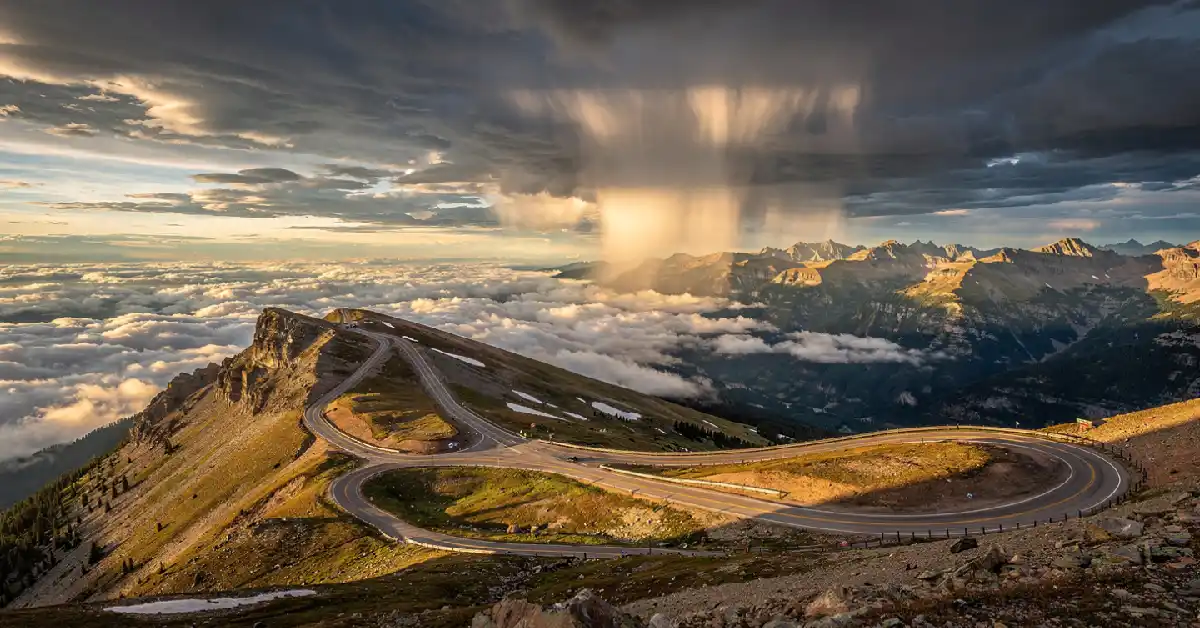
Trail Ridge Road is magnificent and you should drive it. It peaks at 12,183 feet, making it the highest continuous paved road in the US. On a clear day, the views stretch so far you start questioning your depth perception.
But do it early. By mid-morning in July, it turns into a very slow, very beautiful traffic jam.
Old Fall River Road is the better-kept secret. It’s unpaved, one-way, climbs 11 miles of alpine terrain, and sees a tiny fraction of Trail Ridge Road’s traffic. Open mid-summer through early fall only. The NPS notes it significantly underperforms on visitor counts, which for you means a genuinely quiet drive.
The Highway 34 approach from Grand Lake on the western side deserves more credit than it gets. The valley is wide, the river runs alongside you for miles, and you’ll probably have long stretches of road almost entirely to yourself.
Where to Sleep Without Draining Your Wallet
There are no hotels inside the park. Just campgrounds.
Outside the park, Estes Park on the east side is the obvious choice, lots of options across every price point. The one most people skip is the YMCA of the Rockies. It sounds like it should be a summer camp for middle schoolers, but it’s actually a proper lodge with comfortable rooms and cabin rentals that cost noticeably less than comparable Estes Park hotels.
Grand Lake on the west side runs quieter and cheaper, especially if you book mid-week. Good cabin options, small-town feel, and a much shorter drive to the western trailheads.
Camping inside the park is the most affordable route. Moraine Park and Glacier Basin take reservations through recreation.gov. Longs Peak is first-come, first-served. Book campgrounds six months out for summer weekends, people are not joking when they say that.
Must Read: Popular Tourist Attractions in Mexico
Beginner Hiking Trails in Rocky Mountain National Park
Over 355 miles of trail in this park. Some of it will wreck you. Some of it is genuinely easy. Here’s where beginners should start.
Sprague Lake Loop, Half a mile, completely flat, wheelchair accessible, and the mountain reflections on still mornings are genuinely camera-stopping. Bring a wide-angle lens if you have one.
Alberta Falls, 1.7 miles round trip to a 30-foot waterfall. Well-maintained path, steady but not punishing elevation gain. One of the most popular trails in the park, so go before 8 AM if you want a quiet walk rather than a queue.
Bear Lake Loop, Less than a mile around the lake. Flat, easy, accessible to everyone. Gets busy fast, but it earns its reputation.
Nymph, Dream, and Emerald Lakes, 3.6 miles, three lakes, gradual climb. Each lake is prettier than the last, which is a nice payoff structure. The NPS lists this as one of their top family-friendly routes, and it’s hard to argue.
Smart Ways to Skip the Summer Crowds
Three million annual visitors and a finite number of parking spots. The math doesn’t work in your favor, unless you plan around it.
The west side of the park is consistently less crowded than the east. Most visitors come through the Beaver Meadows entrance near Estes Park. Grand Lake on the west side gets a fraction of that foot traffic. Same park, completely different atmosphere.
Tuesday, Wednesday, Thursday. Those are your days. Weekends in July and August turn the park’s most popular areas into a different experience entirely, and not a better one.
The free park shuttle is genuinely useful and most visitors ignore it. Runs from Park & Ride to multiple trailheads, saves you the parking scramble, and actually drops you off closer to where you want to be. Planning your day around the shuttle schedule makes visiting Rocky Mountain National Park Colorado feel like a completely different experience.
Best Spots for Sunrise and Sunset Photography
Sprague Lake before sunrise. Set up on the eastern shore about 30 minutes early. On calm mornings, the Continental Divide reflects off the water so cleanly it looks like a composite image. The NPS calls it one of the most accessible photography locations in the park, which it is, but don’t let that fool you into thinking the shots are easy.
Many Parks Curve on Trail Ridge Road works for both sunrise and sunset. You’re above treeline, the panorama is wide, and the light hits the valley floor in that golden-hour way that makes photographers forget they’re standing in a parking area.
Moraine Park in September at dusk. This one’s almost cheating. You get elk rut behavior and amber sunset light in the same frame. Show up early, find your position, and be patient.
Forest Canyon Overlook catches morning light beautifully. The canyon was carved by glaciers and it looks like it. Dramatic, ancient, and the kind of scene that makes post-processing almost feel unnecessary.
Things the Whole Family Will Actually Enjoy
Junior Ranger Program, Free, runs through the visitor center, kids complete activity booklets and earn official NPS badges. It sounds low-key, but children take those badges seriously. One of the most widely run programs across the entire national park system.
Moraine Park Discovery Center, Interactive exhibits on geology, wildlife, and ecology built for younger visitors. Rangers run talks throughout the day that don’t talk down to kids or bore the adults watching.
Horseback riding is available through park-licensed outfitters and gets you into terrain that strollers and small legs simply can’t reach. Kids who groan about hiking will ask to go again after this.
Horseshoe Park at dusk requires no hiking at all. Park the car, watch the meadow. Elk, deer, and the occasional coyote show up like clockwork. It’s one of those places that reminds you wildlife viewing doesn’t have to be hard work.
What to Pack Before Heading Into Rocky Mountain National Park Colorado
Water, Two liters per person, minimum. Altitude speeds up dehydration and most trails don’t have reliable water sources. Don’t negotiate with this one.
Layers, Morning can be warm. Two hours later above treeline, it won’t be. A fleece mid-layer and a waterproof shell take up almost no space and have saved a lot of trips from turning miserable.
SPF 50+ sunscreen, UV exposure increases with altitude. Colorado’s sun is not the same sun you experience at sea level. Apply it before you get out of the car.
Trekking poles, Optional on flat trails. Non-optional on anything with real elevation change. Your knees will remember the descents whether you bring poles or not.
Snacks, Trail mix, bars, jerky. Real food. The park doesn’t have vending machines conveniently placed where you’ll want them.
Offline maps, AllTrails or Gaia GPS, downloaded before you leave signal range. This is non-negotiable and people learn it the hard way every summer.
Bear spray, The NPS recommends it on backcountry trails. Bears are present and active throughout the park. Carry it.
Rocky Mountain National Park Colorado gives back what you put in. Show up prepared, get off the main path when you can, and give yourself more time than you think you need.
The mountains aren’t going anywhere. But your trip is, so make it count.
Sources: National Park Service (nps.gov/romo), recreation.gov, YMCA of the Rockies (ymcarockies.org), AllTrails trail data.