
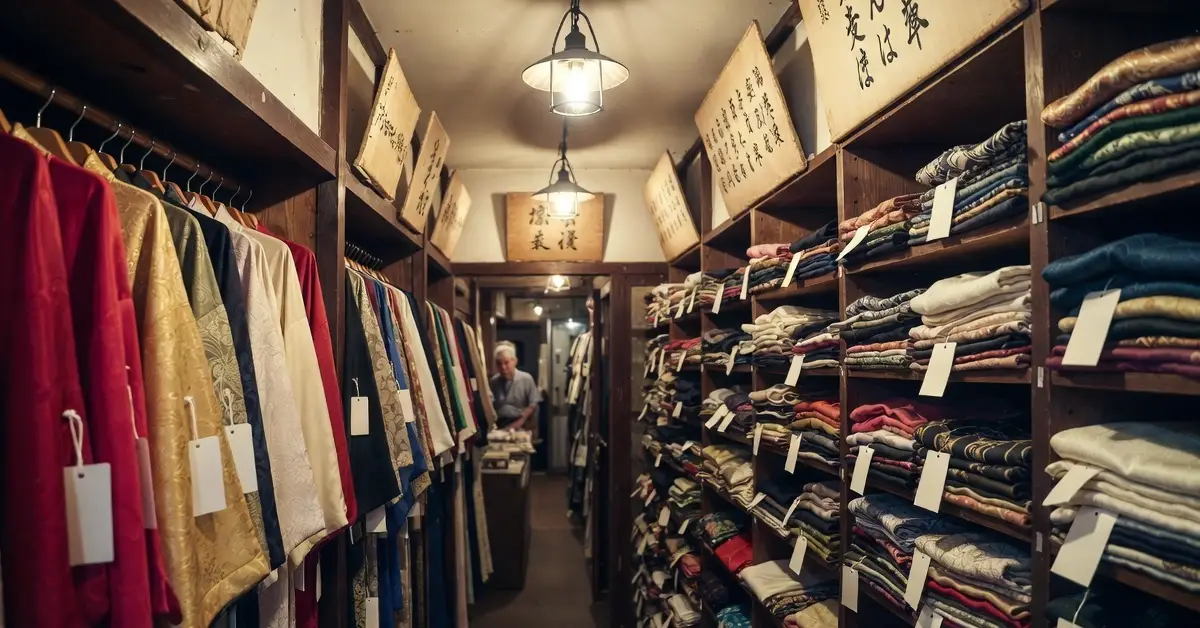
Let me be straight with you: buying a new kimono in Japan can cost as much as a used car. But if you know where to look, second hand kimono shops in Tokyo Japan offer museum-quality silk, retro patterns from the 1970s, and flawless formal wear for the price of a nice dinner out. I’ve been sourcing vintage kimono for over eight years, and Tokyo is genuinely the best city on earth for this hunt.
In this guide, I’m going to walk you through the real stores—not the tourist traps—where you can find authentic, wearable, and affordable kimono. Whether you want a casual komon for daily wear or a heavy silk furisode with full family crests, the second hand kimono shops in Tokyo Japan scene has something for every budget.
Let’s get into it.
Why Buy Second Hand? The Real Value Beyond Price
Before we list stores, let’s talk about why you want used kimono in the first place. It’s not just about saving yen.
Quality You Can’t Find New Anymore
Most new kimono today are made from synthetic fabrics or cheap machine-printed polyester. Vintage pieces? Pure silk, hand-painted dyes, and real gold leaf threading. A second hand kimono shop in Tokyo Japan often sells items from the 1960s–1980s, when Japan’s economy boomed and families invested heavily in formal wear.
Environmental Credibility
The kimono industry has a massive overproduction problem. Estimates suggest over 500 million kimono sit unworn in Japanese closets. By buying second hand, you’re directly reducing textile waste. Several shops I’ll mention even donate part of profits to textile recycling.
Authentic Patina
That slight fading on a houmongi? That’s not damage—that’s character. Vintage collectors pay extra for the gentle wear that comes from age.
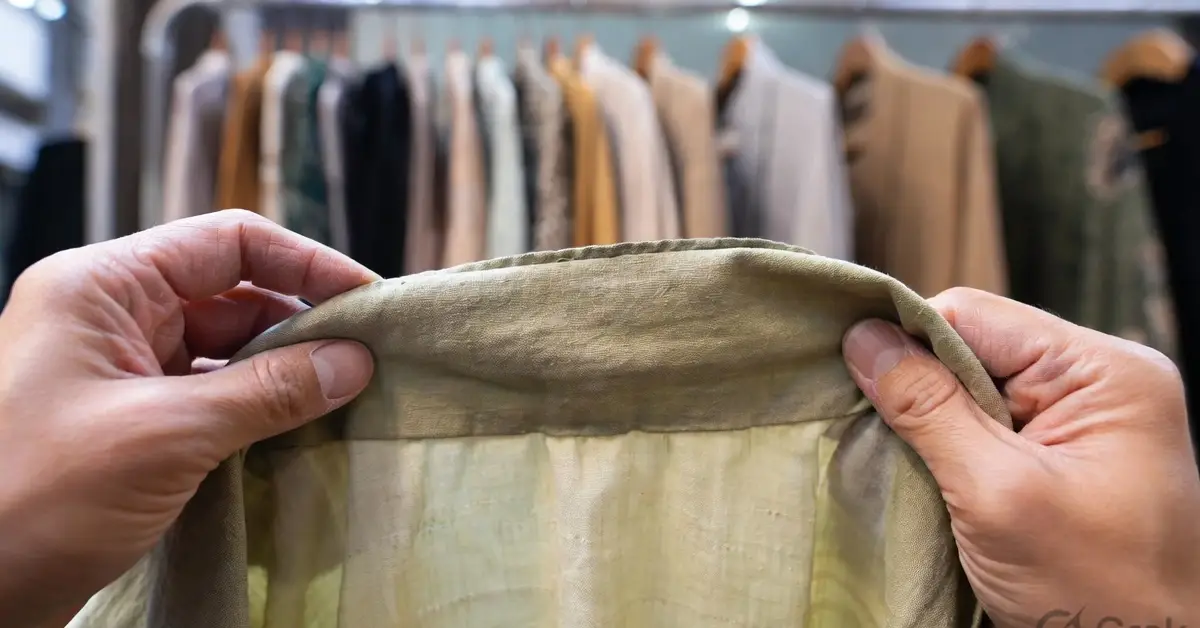
Expert note: Avoid any second hand kimono shop in Tokyo Japan that sells “new old stock” without showing the actual garment’s condition. Always ask to see the eri (collar) and sode (sleeve) interiors for stains.
Top 5 Second Hand Kimono Shops in Tokyo Japan
I’ve personally visited over 30 shops in the last 18 months. These five stand out for fair pricing, honest grading, and staff who actually know kimono.
Shitenno – The Gold Standard in Ueno
Located inside the massive Ameya Yokocho market, Shitenno is legendary among local collectors. This second hand kimono shop in Tokyo Japan has operated for 40+ years and stocks over 10,000 pieces.
What makes them special:
-
Every kimono is professionally cleaned before sale
-
They grade flaws honestly (A, B, C ranks)
-
Obi matching service (free if you buy both)
Price range: ¥3,000–¥80,000
Best for: Silk komon and men’s haori
Address: 6-10-7 Ueno, Taito City
Pro tip: Go on a weekday morning. Weekends are packed with resellers from Osaka.
Chicago – Vintage Streetwear Meets Kimono
Don’t let the name confuse you. Chicago (yes, spelled that way) in Harajuku’s backstreets specializes in 1950s–1980s Japanese fashion. Their kimono section is small but carefully curated.
Why it stands out:
-
They buy directly from estates, not wholesalers
-
Heavy focus on taisho roman and showa retro patterns
-
English-speaking staff available Thursday–Sunday
Expect to pay ¥5,000–¥25,000 for casual pieces. Formal furisode run higher (¥30,000–¥90,000). This second hand kimono shop in Tokyo Japan also carries vintage geta sandals and tabi socks, which most stores ignore.
Shimokitazawa’s Don Don Down on Wednesday
Yes, that’s the real name. And yes, it’s as chaotic as it sounds. Don Don Down is a thrift chain, but their Shimokitazawa location has a dedicated kimono floor that tourists rarely find.
What to know:
-
No sorting by size or era—you dig
-
Prices start at ¥500 for damaged silk (great for craft projects)
-
Staff have zero English, so know basic kimono terms
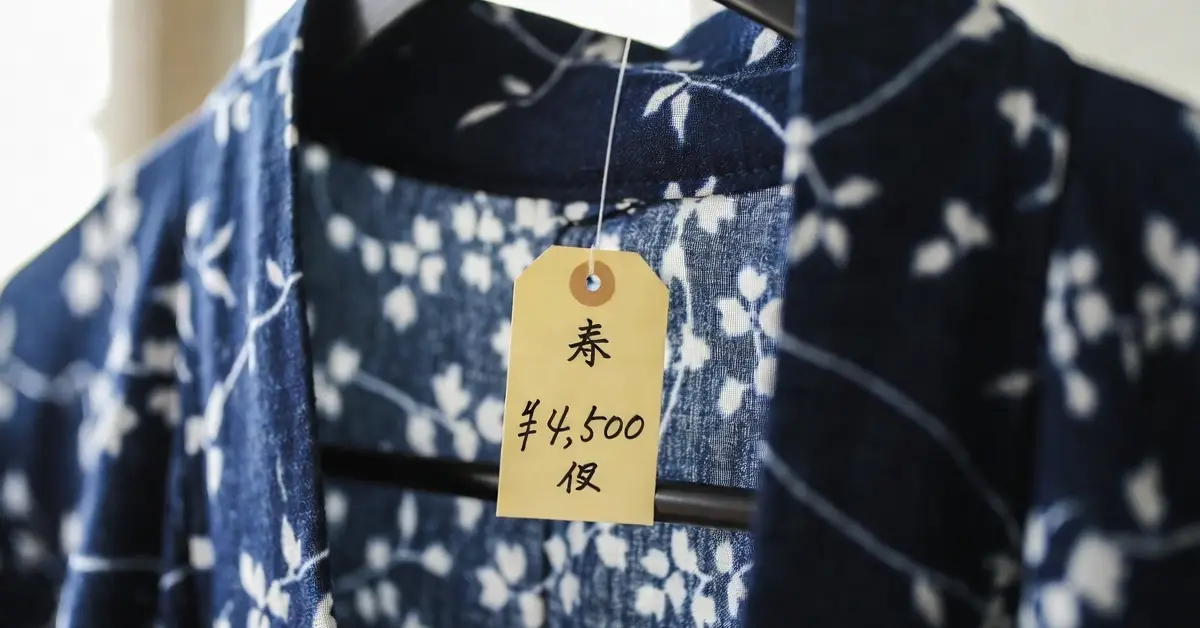
For under ¥3,000, you can walk out with three or four pieces. But you need patience. I once spent two hours here and found a pristine uchikake (wedding coat) from 1968 for ¥4,500. That’s the magic of a real second hand kimono shop in Tokyo Japan that doesn’t curate—it just sells.
Kangaroo – The Obi Specialist in Koenji
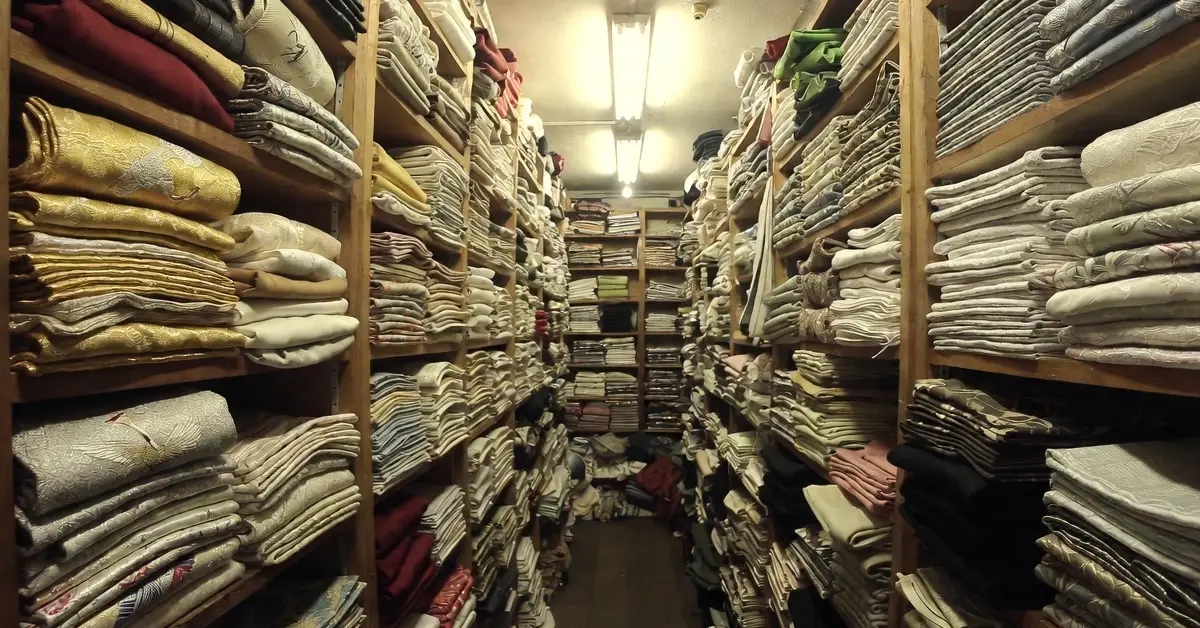
Most shops treat obi as an afterthought. Kangaroo has an entire second floor dedicated to them. This second hand kimono shop in Tokyo Japan carries over 2,000 obi, from casual hanhaba to formal maru obi with woven gold.
Prices you’ll see:
-
Cotton hanhaba obi: ¥800–¥2,500
-
Silk fukuro obi: ¥3,000–¥15,000
-
Antique maru obi (pre-1940): ¥20,000–¥80,000
Warning: They don’t accept credit cards under ¥3,000. Bring cash.
New Art – High-End Vintage in Jiyugaoka
If you want investment-grade kimono, go to New Art. This isn’t a thrift store—it’s a gallery that happens to sell clothing. Every piece comes with documented age, material certification, and restoration history.
Who it’s for: Collectors, costume designers, or anyone wanting a family heirloom
Price range: ¥40,000–¥300,000+
Specialty: Meiji and Taisho period kimono (1868–1926)
Yes, that’s expensive for a second hand kimono shop in Tokyo Japan. But if you want a genuine Hikaku (embroidery with real silver thread) from 1912, this is your only reliable option in Tokyo.
Practical Steps: How to Shop Second Hand Kimono Like a Pro
You don’t need to speak Japanese or understand 200 years of fashion history. But you do need these five steps.
Step 1: Learn Three Measurements (Bring a Soft Tape)
Most second hand kimono shops in Tokyo Japan won’t let you try on formal pieces due to silk’s fragility. So measure yourself at home:
-
Height from shoulder to ankle – Kimono length is fixed. If you’re over 170cm, look for furi (extra length at the hem)
-
Wrist to wrist (arms out) – Sode (sleeve drop) should clear your hands by 2–3cm
-
Hip circumference – Obi hides everything, but the miyatsukuchi (side opening) needs 10cm of slack
Step 2: Know Your Grading Scale
Trustworthy shops use this scale:
| Grade | Meaning | Price Reduction |
|---|---|---|
| A | No visible flaws | 0% |
| B | Minor fading or 1–2 small spots | 20–40% off |
| C | Visible stains, pinholes, or repairs needed | 50–70% off |
| D | For craft/fabric only | 80–90% off |
Never buy C or D grade without inspecting in natural light. Fluorescent store lights hide yellowing.
Step 3: Check the Eri (Collar) First
This is my #1 rule. The eri is where sweat and skin oil accumulate. Even if the rest of the kimono looks perfect, a stained or frayed eri means the garment is effectively dead for formal wear. For casual wear? You can replace the eri for ¥2,000–¥5,000 at any alteration shop in Asakusa.
Step 4: Negotiate Politely (Yes, It’s Allowed)
Chain stores like Don Don Down won’t haggle. But independent second hand kimono shops in Tokyo Japan often have 5–15% wiggle room if you:
-
Buy multiple pieces
-
Pay in cash
-
Find a genuine flaw they missed
Phrase: “Sumimasen, chotto nedan wa doko desu ka?” (Excuse me, can you adjust the price a little?)
Step 5: Budget for Cleaning
Assuming you buy a B-grade piece, professional arai-hari (kimono washing and stretching) costs ¥5,000–¥15,000 in Tokyo. Factor that into your total. A ¥3,000 kimono becomes ¥8,000 after cleaning. Still a steal for genuine silk.
Must Read: Plan the Perfect San Diego Zoo Safari Park Tours Package
Pros and Cons of Second Hand Kimono Shops in Tokyo Japan
Let me be brutally honest. Not everything is perfect.
Pros (Why You Should Do This)
-
Price: 80–95% cheaper than new
-
Uniqueness: No mass production—every piece is one of a kind
-
Material: Real silk, real craftsmanship, not synthetic
-
History: You’re wearing a story, not a factory product
-
Ethical: Diverts waste, supports local small businesses
Cons (What Nobody Tells You)
-
Sizing is hard: Kimono don’t stretch. If it doesn’t fit, you can’t alter it easily
-
Storage: Silk needs breathable bags and no direct sunlight
-
Damage risk: Old silk can shatter if dry cleaned improperly
-
Time investment: Good finds require 2–4 hours of patient hunting
-
Language barrier: 70% of shops have zero English support
If you want convenience, buy a new polyester kimono online. If you want authenticity, put in the work at a second hand kimono shop in Tokyo Japan.
Expert Opinion: Real-World Haul Example
Last April, I took a first-time buyer named Sarah (Los Angeles, no Japanese language) to three shops. Here’s what she bought in 4 hours:
| Item | Shop | Price | Condition | After cleaning |
|---|---|---|---|---|
| Silk komon (subtle pattern) | Shitenno | ¥4,500 | A (like new) | ¥9,000 total |
| Fukuro obi (gold & cream) | Kangaroo | ¥7,000 | B (minor foxing) | ¥14,000 total |
| Cotton haori jacket | Don Don Down | ¥1,200 | B (faded lining) | ¥4,000 total |
Total spend: ¥27,000 (~180USDatthetime).Equivalent new price for similar quality silk:¥180,000+( 1,200 USD).
Sarah still wears that haori weekly. The komon went to a formal tea ceremony in Kyoto. That’s the real power of knowing where to shop.
For a deeper breakdown on how to check stitching quality, identify real vs. synthetic silk, and spot reproduction fake vintage kimono, I highly recommend this detailed vintage kimono buying guide tokyo. It covers the factory stamps and construction details that even some shop staff miss.
Frequently Asked Questions
Are second hand kimono shops in Tokyo Japan open to tourists?
Absolutely. Most welcome tourists, but be aware that fitting rooms are rare. You’ll need to measure outside or hold the garment against your body. Some shops in Asakusa now offer appointment-only fittings with English translators for ¥2,000 extra.
Can I find men’s second hand kimono in Tokyo?
Yes, but expect a smaller selection. Men’s kimono have simpler designs and last longer, so they sell fast. Shitenno and Chicago consistently have men’s montsuki (formal with family crests) starting at ¥8,000. Avoid anything with shiny fabric—that’s synthetic.
How do I clean a vintage kimono from a second hand shop?
Never use home dry cleaning. Find a kimono arai specialist. Two trusted ones: Arai Kimono Cleaning in Asakusa (¥6,000 for a komon) and Tokyo Kimono Reconditioning in Shinjuku (¥12,000 for formal silk). Both have English websites.
What’s the best season to visit second hand kimono shops in Tokyo Japan?
January and July. Why? That’s when Japanese families do oosouji (big cleaning) and donate unused kimono. Shops get their largest inventory drops in February and August. Avoid Golden Week (late April–early May) – shops are packed and prices sometimes increase.
Are reproduction vintage kimono common in second hand shops?
Rarely. Most shops are ethical. However, some Shimokitazawa “vintage” stores sell new kimono artificially aged with chemicals. Telltale signs: perfectly even fading, synthetic smell, and no wear on the collar. Stick to the shops I listed above, and you’ll be fine.
Conclusion: Your Next Step Toward Authentic Kimono
Finding genuine, wearable, fairly priced vintage silk isn’t luck—it’s knowing which streets to walk and which questions to ask. The second hand kimono shops in Tokyo Japan I’ve shared represent the best balance of trust, inventory, and value on the market today.
Start at Shitenno to build confidence. Then challenge yourself at Don Don Down for the treasure hunt. And if budget allows, visit New Art just to see what peak craftsmanship looks like.
Keep this guide open on your phone, bring cash, measure yourself at home, and never rush. The right kimono will wait for you.